Recovering from Dance Injuries explores targeted strategies for recovery. Discover new paths to mobility, healing, and personalized care.

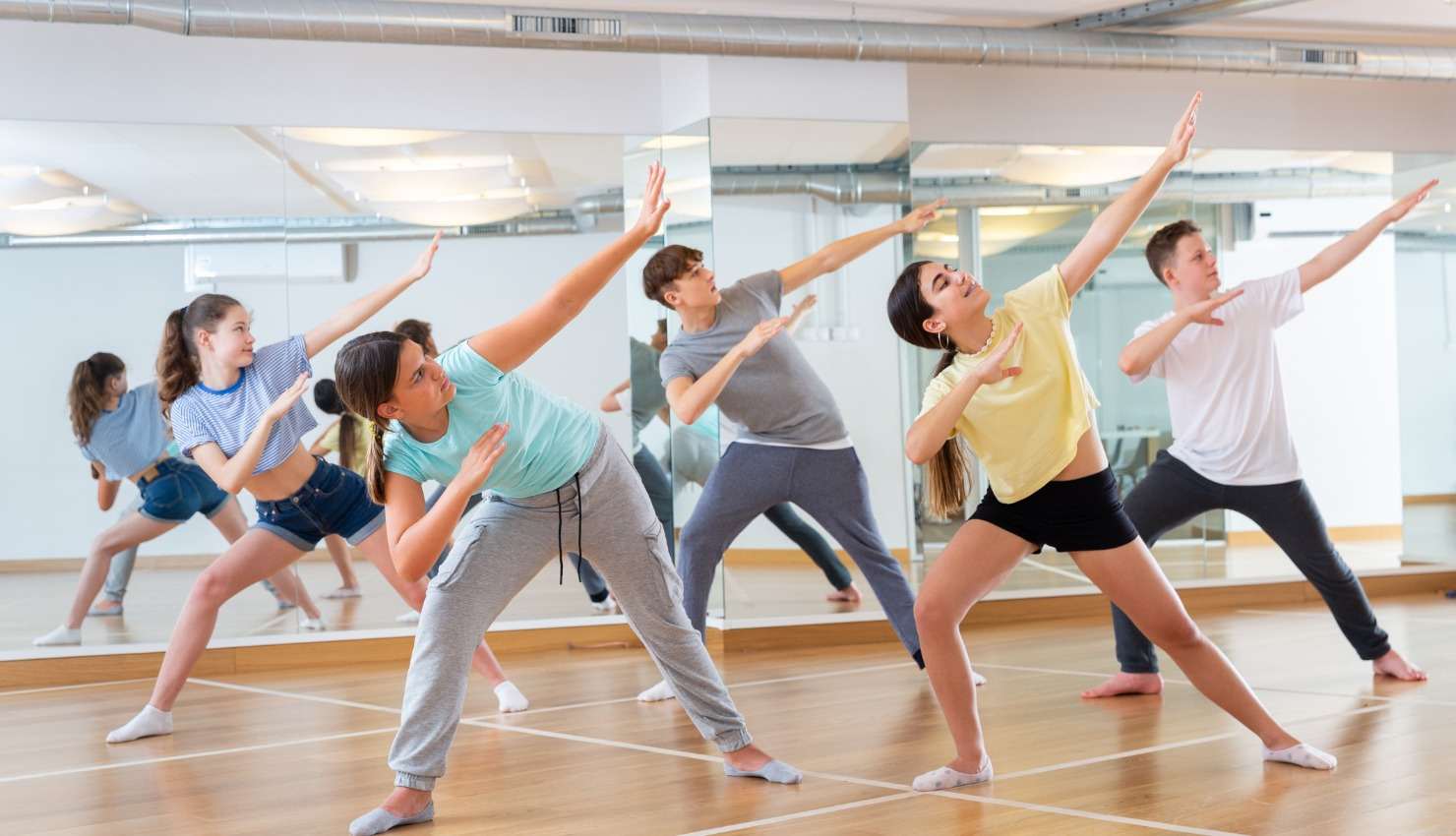
Dance is an expressive and demanding physical activity that often pushes the body to its limits. While the artistry is captivating, the physical toll can sometimes result in injuries. Recovering properly from dance injuries is crucial to avoid long-term damage and to safely return to performing. Physiotherapy plays a pivotal role in this recovery process by using evidence-based strategies to restore strength, mobility, and function. This blog explores the key physiotherapy approaches that aid dancers in recovering from injuries efficiently and effectively.
The Importance of Proper Injury Recovery for Dancers
Recovering well from an injury is more than just resting. Improper or rushed recovery can lead to chronic pain, re-injury, or even premature career endings. Dancers need a structured recovery plan tailored to their specific injury and dance style. Physiotherapists guide this process, ensuring healing happens safely and optimally.
Key Physiotherapy Strategies for Dance Injury Recovery
1. Accurate Assessment and Diagnosis
The first step in recovery is a thorough assessment. Physiotherapists analyze the injury, identify contributing factors such as muscle imbalances or technique flaws, and determine the injurys severity. This comprehensive understanding helps create a customized rehabilitation plan.
2. Pain and Inflammation Management
Immediately following an injury, managing pain and inflammation is crucial. Physiotherapy offers non-invasive methods such as:
Manual Therapy: Gentle massage and soft tissue mobilization improve circulation and relieve muscle tension.
Electrotherapy: Techniques like ultrasound and TENS help reduce pain signals and swelling.
Cryotherapy and Heat Therapy: Ice reduces inflammation initially, while heat improves blood flow during later recovery stages.
3. Gradual Restoration of Mobility and Flexibility
Injuries often cause stiffness and limited joint movement. Physiotherapists employ stretching, joint mobilization, and controlled movement exercises to restore range of motion safely. Maintaining mobility prevents scar tissue buildup and stiffness.
4. Strengthening and Muscle Re-education
After mobility returns, strengthening surrounding muscles is essential to support the injured area. Physiotherapy focuses on:
Targeted Strengthening Exercises: Tailored to address specific muscle weaknesses and imbalances.
Neuromuscular Re-education: Helps retrain muscle control and coordination lost during injury.
Functional Training: Incorporates dance-specific movements to prepare for return to performance.
5. Balance and Proprioception Training
Dance requires exceptional balance and body awareness. Physiotherapists include proprioceptive training using balance boards, stability exercises, and dynamic movements to rebuild this critical sensory feedback and prevent future injuries.
6. Gradual Return to Dance and Performance
A key strategy in recovery is a phased return to dancing, starting with low-impact activities and progressing to full choreography. Physiotherapists monitor progress, adjusting exercises to ensure safe advancement without overloading healing tissues.
7. Education and Injury Prevention
Physiotherapy also emphasizes educating dancers on proper warm-up, cool-down, and training techniques. Understanding injury risks and prevention methods helps dancers protect themselves long-term.
Personalized Recovery Plans for Different Dance Injuries
Physiotherapy recovery strategies vary depending on the injury type:
Muscle Strains: Focus on gentle stretching, progressive strengthening, and avoiding premature intense activity.
Ligament Sprains: Emphasize joint stability exercises, proprioception, and controlled movement.
Stress Fractures: Require careful load management, rest, and gradual weight-bearing activities.
Tendonitis: Involve reducing inflammation, eccentric strengthening, and correcting biomechanical faults.
The Benefits of Professional Physiotherapy in Dance Injury Recovery
Recovering with physiotherapy ensures:
Faster healing through optimized treatment protocols.
Reduced risk of re-injury by addressing root causes.
Improved overall performance with better strength and flexibility.
Psychological support and motivation throughout the recovery journey.
Conclusion
Recovering from a dance injury requires patience, discipline, and expert guidance. Physiotherapy provides the essential strategies to heal effectively, restore function, and safely return to dance. Through assessment, pain management, mobility restoration, strengthening, balance training, and education, dancers can overcome injuries and continue their passion with confidence.
If you are recovering from a dance injury or want to prepare for injury prevention, consulting a physiotherapist experienced with dancers is key. Personalized care can help you heal right the first time and maintain a long, healthy dance career.