Recovering from Hip Injuries explores targeted strategies for recovery. Discover new paths to mobility, healing, and personalized care.

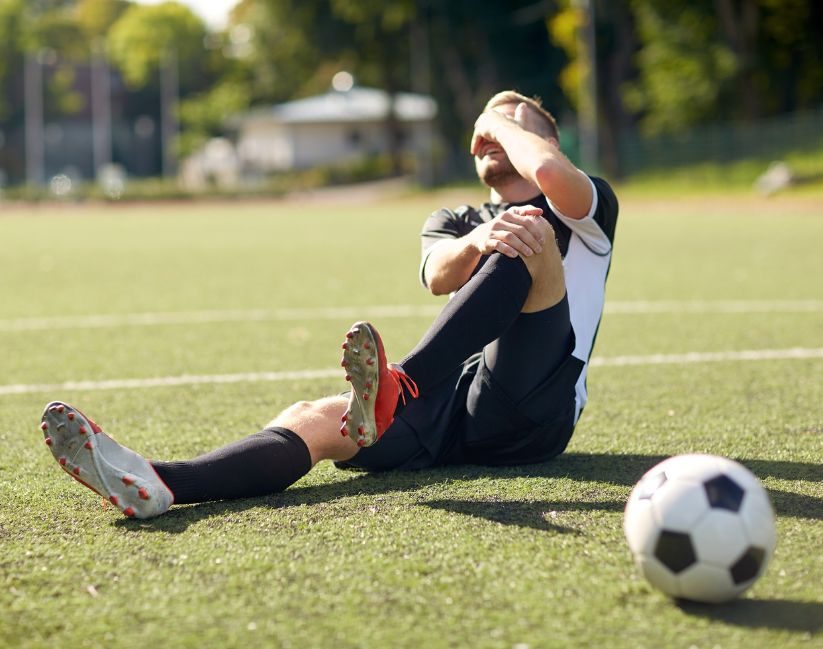
Hip injuries are a frequent and often frustrating problem for athletes, especially those engaged in sports requiring explosive power, rapid direction changes, or prolonged running. Whether its a labral tear, hip flexor strain, or bursitis, hip injuries can significantly limit athletic performance and sideline competitors for extended periods.
Sports-specific therapy offers a comprehensive, tailored approach to recovering from hip injuriesfocusing not only on healing but also on restoring the exact movement patterns and strength athletes need to return to their sport safely and effectively.
Why Hip Injuries Are Common in Athletes
The hip joint is one of the most important in the body, acting as a central hub for lower body movement and power transfer. It supports a wide range of activities: sprinting, cutting, jumping, kicking, and twistingall common in sports like hockey, soccer, basketball, and track.
The complex anatomy of the hip, combined with the high demands placed on it, makes it vulnerable to several types of injuries, including:
Labral Tears: Damage to the cartilage ring that cushions the hip socket.
Hip Flexor Strains: Overstretching or tearing of the muscles that lift the thigh.
Bursitis: Inflammation of fluid-filled sacs that reduce friction between tissues.
Hip Impingement: Abnormal contact between the hip bones causing pain and limited motion.
Without proper treatment, these injuries can become chronic and debilitating.
What Is Sports-Specific Therapy for Hip Injuries?
Sports-specific therapy focuses on addressing the unique biomechanical and functional demands of an athletes sport while promoting healing and preventing re-injury. Unlike general rehab, it involves:
Detailed assessment of movement patterns related to the athletes sport
Targeted strengthening of muscles that stabilize and mobilize the hip
Functional retraining incorporating sport-specific motions
Correction of muscle imbalances and postural issues
The Recovery Process: Phases and Therapy Goals
1. Acute Phase (Initial 1-2 weeks):
Goal: Reduce pain and inflammation, protect injured tissues.
Therapy includes rest, ice, gentle pain-free movements, and manual therapy to reduce muscle tension.
2. Early Rehabilitation (2-6 weeks):
Goal: Restore range of motion and begin strengthening surrounding muscles.
Therapists introduce controlled hip mobilizations, isometric exercises, and gentle stretching.
3. Strengthening Phase (6-12 weeks):
Goal: Build strength in hip stabilizers like gluteus medius, gluteus maximus, and deep rotators.
Sports-specific exercises focus on improving pelvic control and dynamic stability.
4. Functional and Sport-Specific Training (12+ weeks):
Goal: Retrain movement patterns relevant to the athletes sport.
Drills may include lateral cutting, jumping, sprinting mechanics, and balance tasks mimicking on-field demands.
5. Return to Play:
Before returning to full competition, athletes undergo performance testing and movement analysis to ensure readiness and reduce reinjury risk.
Key Components of Sports-Specific Therapy for Hip Injuries
Targeted Strengthening
Strengthening weak muscles around the hip corrects imbalances and enhances joint stability. Gluteal muscles, core stabilizers, and hip flexors are commonly targeted depending on injury and sport.
Mobility and Flexibility
Limited hip mobility can worsen injury risk and reduce performance. Therapy includes dynamic stretching and joint mobilizations designed to restore normal movement.
Neuromuscular Control and Proprioception
Improved proprioception helps the brain and muscles work together to stabilize the hip during dynamic activities, crucial for preventing reinjury.
Movement Pattern Correction
Many hip injuries stem from faulty biomechanics like excessive hip internal rotation or poor pelvic alignment. Therapists work to retrain proper movement through sport-specific drills and feedback.
How Sports-Specific Therapy Benefits Different Sports
Hockey Players: Emphasis on rotational core and hip strength to support powerful skating strides and rapid directional changes.
Soccer Athletes: Focus on dynamic hip stability for cutting, kicking, and sprinting.
Track Athletes: Improvement of hip extension and flexion range for sprinting efficiency.
Basketball Players: Training for lateral agility, jumping mechanics, and hip control during landings.
Tips for a Successful Hip Injury Recovery
Follow a guided therapy program rather than rushing back to sport.
Avoid activities that cause sharp pain during recovery.
Focus on quality of movement rather than intensity early on.
Communicate regularly with your physiotherapist to adjust the plan as needed.
Incorporate cross-training activities like swimming or cycling to maintain fitness without overloading the hip.
Why Your Forms UX (YFS) Is Your Partner in Hip Injury Recovery
At Your Forms UX (YFS) in Canada, we specialize in sports-specific therapy that puts your athletic goals first. Our expert physiotherapists work closely with you to design a recovery plan tailored to your sport, injury, and individual needs.
We offer:
Comprehensive assessments of your hip function and movement patterns
Personalized therapy sessions focusing on strength, mobility, and neuromuscular control
Sport-specific retraining to ensure a safe, confident return to play
Supportive guidance every step of the way
Recovering from a hip injury doesnt have to mean the end of your athletic journey. With YFS, youll regain your strength, stability, and confidence to get back to the sport you love.