Recovery Tips for Athletes explores targeted strategies for recovery. Discover new paths to mobility, healing, and personalized care.

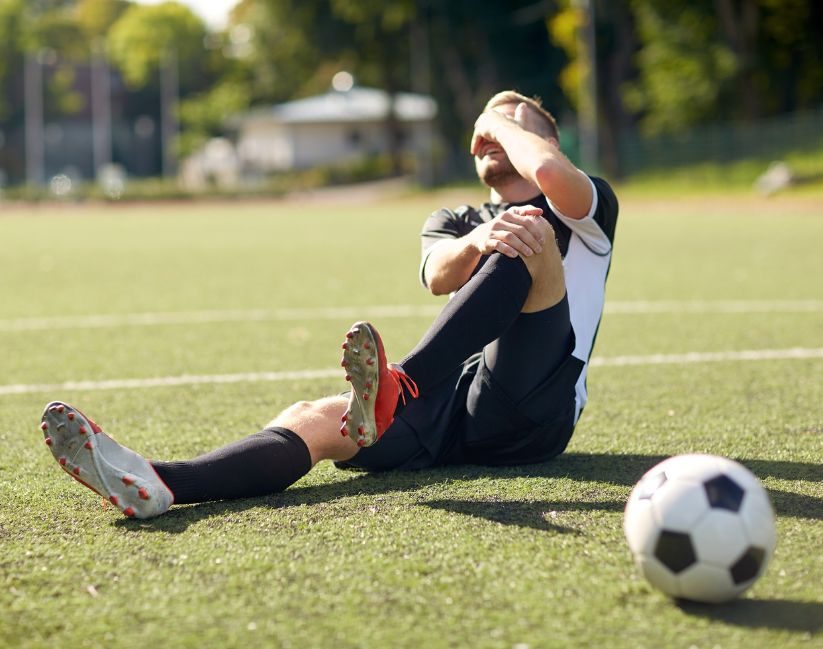
Recovery isn’t just about resting; it’s a key performance driver for every athlete. Whether you’re sprinting on the track, dominating the tennis court, or grinding through football practice, your body’s ability to recover dictates how well you’ll perform next time. And this is exactly where sports?specific therapy becomes a game?changer.
At YourFormsUX (YFS), we integrate sport?focused recovery protocols into every athlete’s treatment journey, ensuring not just healingbut high?performance regeneration.
Recovery: The Hidden Ingredient of Peak Performance
Every sport pushes the body differently. But the constant is this: recovery is what helps you adapt, build resilience, and keep injuries at bay. Athletes who prioritize recovery improve strength, endurance, and focusfaster and more sustainably.
But not all recovery is created equal. General rest won’t fix a strained hamstring from a soccer sprint or a tight rotator cuff from overhand volleyball serves. You need recovery that’s built around your sportand thats where sports?specific therapy steps in.
What Makes Sports?Specific Therapy So Effective for Recovery?
Lets break it down.
1. Targeted Muscle Repair
Each sport overuses particular muscle groups. Runners tax their calves and hamstrings. Swimmers overload their shoulders. Cyclists stress their quads and hips. Sports?specific therapy identifies these patterns and zeroes in on muscle recovery where its needed most.
Myofascial release techniques to flush tension from sport?specific muscle chains
Trigger point therapy for overactive zones (e.g., glutes in runners)
Joint mobilizations and active release for overused regions
2. Injury Prevention Built into Recovery
Athletes often wait until they’re injured to seek therapy. But smart recovery is proactive. Sports?specific therapy programs include movements that restore joint health, neuromuscular balance, and movement patternsso injuries are prevented before they start.
Stability exercises to reinforce weak zones (like ankles in basketball players)
Dynamic stretches tailored to sport movements
Balance and proprioceptive work to sharpen joint control
3. Active Recovery That Matches Sport Demands
Passive rest only takes you so far. Sports?specific therapy includes low?intensity recovery activitiesthink mobility drills, sport?specific yoga flows, or eccentric strength workcustomized to simulate and support real athletic performance.
For example:
A football player might do resistance band glute activation and hip openers
A tennis player could engage in shoulder mobility drills and thoracic spine rotation work
A runner may benefit from pool running or recovery interval cycling
4. Faster Return-to-Play After Injury
Recovery isnt only about keeping you in shapeits also what gets you back in action after injury, safely and stronger than before. Sports?specific therapy tracks are designed to retrain the body in the exact context of your sport, so you’re not just healedyou’re sport?ready.
Sport simulation drills (e.g., cutting and landing for soccer post?ACL)
Functional strength training that mirrors game scenarios
Joint loading protocols to gradually reintroduce sport stress
5. Customized Recovery Timelines
Generic rehab programs often fall short because they dont account for sport?specific stress cycles. Tailored therapy builds in individualized recovery timelines that match your training intensity, competition calendar, and injury history.
At YFS, we know that a sprinters recovery period looks nothing like a swimmersand we plan accordingly.
Athlete?Approved Recovery Tips from YFS
Want to elevate your recovery game immediately? Start with these field?tested strategies:
1. Hydrate According to Your Sport
Endurance athletes lose more fluids. Power athletes need electrolytes. Align your hydration strategy with your output.
2. Don’t Skip Your Cool Down
Post?training mobility and gentle movement flush out toxins and accelerate muscle repair. Do light stretching focused on areas you just worked.
3. Use Contrast Recovery When Needed
Especially after intense sessions or tournaments, contrast baths (alternating hot/cold) reduce inflammation and restore blood flow.
4. Prioritize Sleep
Your body rebuilds during deep sleep. Athletes should aim for 810 hours and follow a consistent bedtime routine.
5. Listen to Pain, Not Just Fatigue
Muscle soreness is one thing. Persistent joint or ligament pain is a warning. Address it early with targeted therapy, not general rest.
YFS: Where Recovery Meets Real?World Athletic Demands
At YourFormsUX, we dont offer cookie?cutter therapy. Every recovery program is structured around:
Your sports demands
Your unique training load
Your past injuries or strain patterns
Your goalswhether thats returning to the field or hitting a new PR
Recovery is where smart athletes build an edgeand its where we shine. We blend manual therapy, neuromuscular work, and functional rehab into a seamless recovery flow that keeps your body competition?ready.
Final Thoughts: Recovery Is a Skill
And like any skill, it gets better with the right system. Sports?specific therapy gives you that systema recovery protocol tailored to your sport, your body, and your goals. Whether you’re bouncing back from a game or a serious injury, the right kind of recovery makes all the difference.