Rehabilitation for Dancers explores targeted strategies for recovery. Discover new paths to mobility, healing, and personalized care.

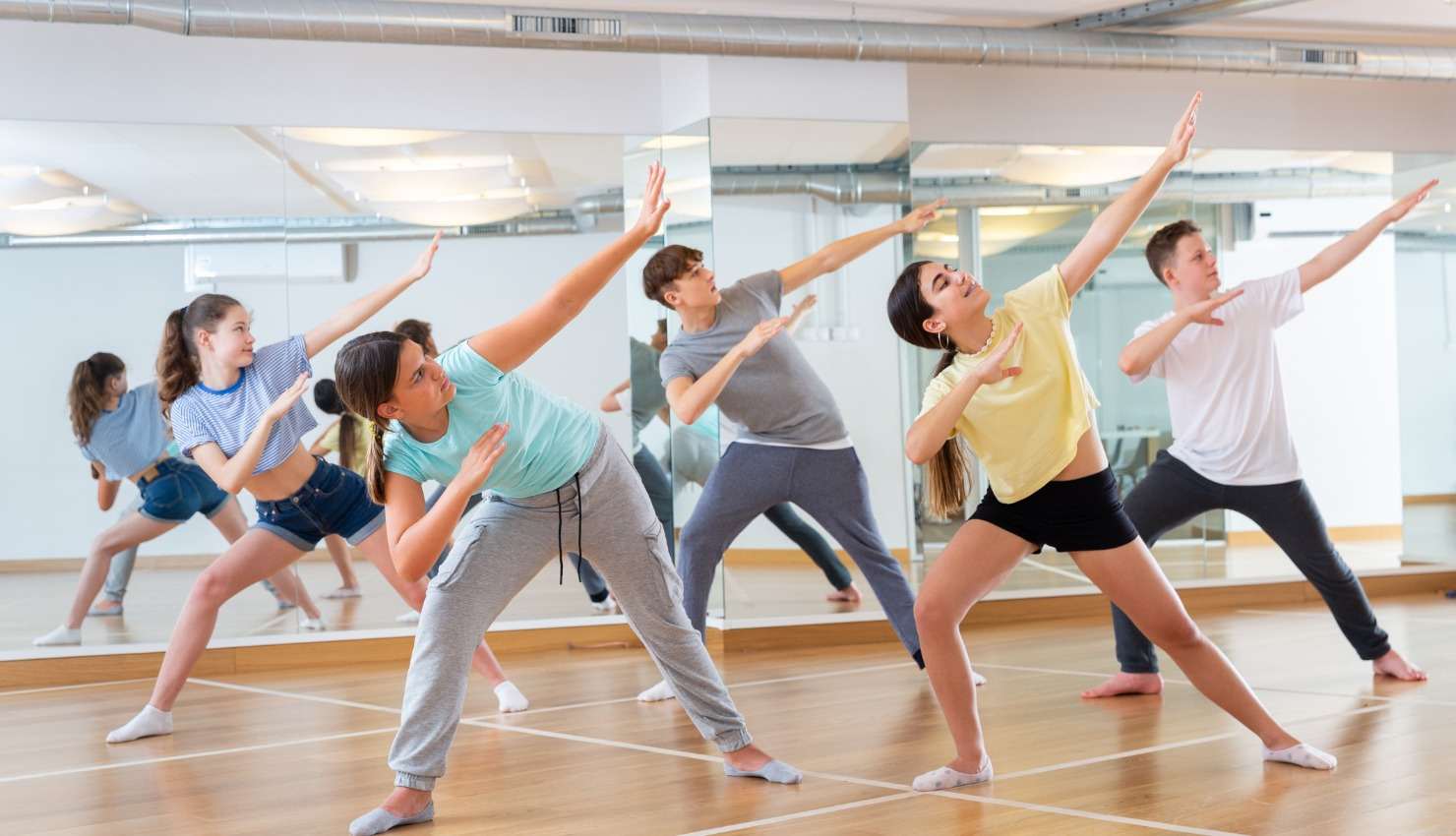
Dance is a physically demanding art form that places significant stress on the body. Dancers are constantly performing intricate moves, jumps, turns, and lifts that require strength, flexibility, and endurance. Whether you’re a professional or an enthusiast, injury is often part of the process, whether its from overuse, improper technique, or simply pushing the body to its limits. However, with the right rehabilitation plan, dancers can recover quickly and safely.
Physiotherapy is one of the most effective approaches to rehabilitation for dancers, helping them recover faster and return to their practice without compromising their performance or long-term health. In this blog, well explore how physiotherapy helps speed up recovery for dancers by addressing injury management, restoring function, and preventing future injuries.
1. Understanding Dance Injuries
Dance-related injuries can range from minor strains to more severe conditions that require extended rehabilitation. Some of the most common injuries dancers face include:
Muscle Strains: These occur when muscles are overstretched or torn, particularly in areas like the hamstrings, calves, or back.
Sprains: These are injuries to the ligaments (the tissue that connects bones) and are common in the ankles or knees.
Tendonitis: Inflammation of the tendons, such as Achilles tendonitis, can be a result of repetitive movements.
Stress Fractures: Tiny cracks in bones caused by repetitive impact, especially in the feet or lower legs.
Plantar Fasciitis: Heel pain caused by inflammation in the bottom of the foot, often resulting from excessive pressure or inadequate footwear.
Whether an injury is acute or chronic, physiotherapy provides a holistic approach to treating the injury and restoring function.
2. Pain Management and Reducing Inflammation
The first step in any rehabilitation process is to manage pain and reduce inflammation. Physiotherapists use a combination of techniques to relieve pain and promote healing:
Cold Therapy (Ice): Ice is commonly used in the acute phase of injury to reduce swelling and numb the pain. Physiotherapists will guide dancers on how and when to apply ice to prevent excessive inflammation.
Heat Therapy: After the initial inflammation has subsided, heat therapy can be used to relax the muscles and promote blood flow to the injured area, accelerating healing.
Ultrasound Therapy: This therapy uses sound waves to increase circulation and promote tissue healing by deep penetration into muscles and tissues. It can help decrease muscle tightness and pain.
TENS (Transcutaneous Electrical Nerve Stimulation): TENS is a method that uses electrical pulses to block pain signals and stimulate muscle relaxation, helping to relieve chronic or acute pain.
By managing pain and inflammation early, physiotherapy ensures that the dancer can move through their rehabilitation program without the added burden of discomfort.
3. Restoring Range of Motion and Flexibility
Injuries often lead to stiffness and restricted movement. This is especially problematic for dancers, as flexibility and range of motion are essential for performing many dance moves. Physiotherapists help restore flexibility through various stretching and mobilization techniques.
Stretching Programs: Physiotherapists design customized stretching routines to target the specific muscles and joints affected by the injury. For instance, a dancer recovering from a hamstring strain would receive targeted stretches that help lengthen the muscle without overextending it.
Joint Mobilization: If the injury involves the joints, physiotherapists use gentle joint mobilization techniques to increase the range of motion. For example, hip joint mobilizations can help dancers regain the flexibility needed for moves like grand jetés or deep pliés.
Active and Passive Exercises: In the early stages of rehabilitation, physiotherapists guide dancers through passive range-of-motion exercises (where the therapist moves the body part for the dancer) and gradually progress to active exercises (where the dancer performs the movements themselves).
Restoring range of motion and flexibility is essential for dancers to regain their ability to perform complex movements and prevent stiffness or muscle tightness during the recovery process.
4. Strengthening and Conditioning
Once pain and inflammation are under control, the focus shifts to strengthening the injured area and the surrounding muscles to support proper movement. Strengthening exercises help prevent future injuries by ensuring that the muscles are prepared for the physical demands of dance.
Targeted Strengthening Exercises: Physiotherapists develop specific exercises to strengthen muscles that are essential for dance, such as the legs, core, and upper body. For example, after an ankle sprain, physiotherapists may use resistance bands or balance exercises to strengthen the ankle and surrounding muscles.
Functional Training: In addition to isolated strengthening exercises, physiotherapists incorporate functional movements that mimic dance movements. This can include exercises that replicate jumping, turning, or balancing to help dancers regain strength in the context of their actual performance demands.
Progressive Load Training: As the dancer recovers, physiotherapists increase the intensity of the exercises to build endurance and muscle strength. Progressive load training helps dancers gradually return to their routines without overwhelming the body.
Strengthening key muscles after injury not only helps prevent future injury but also enables dancers to execute movements with greater control and efficiency.
5. Proprioception and Balance Training
Proprioception refers to the bodys ability to sense its position in space. This sense is essential for dancers, as they must maintain balance and coordination during dynamic movements. After an injury, proprioception can be impaired, making it harder to execute movements with control and stability.
How physiotherapy helps improve proprioception:
Balance Exercises: Physiotherapists use exercises such as standing on one leg, balance boards, or stability balls to help improve balance and proprioception. These exercises help dancers regain stability, especially in the lower extremities, after an ankle or knee injury.
Coordination Drills: Physiotherapists guide dancers through coordination drills that involve performing a movement while maintaining balance. For example, balancing on one leg while performing arm movements helps improve body awareness and control.
By enhancing proprioception and balance, physiotherapy enables dancers to regain confidence in their body movements and return to performing intricate routines.
6. Mental Support and Confidence Building
Rehabilitation from injury is not just a physical processits also a mental one. Dancers may feel hesitant to return to their full performance level due to fear of re-injury or uncertainty about their recovery. Physiotherapists provide mental support by helping dancers regain confidence in their body and capabilities.
How physiotherapy helps build confidence:
Gradual Progression: Physiotherapists create a step-by-step rehabilitation plan that gradually increases the intensity and complexity of exercises. This allows dancers to build strength, flexibility, and endurance at a manageable pace, which boosts confidence as they see improvements in their performance.
Psychological Techniques: Some physiotherapists use mental conditioning techniques, such as visualization or relaxation exercises, to help dancers manage any anxiety or fear associated with returning to activity. These techniques encourage a positive mindset and a focus on recovery.
Communication and Support: Physiotherapists work closely with dancers to understand their concerns, offer reassurance, and keep them motivated throughout the rehabilitation process. This supportive relationship is vital for rebuilding mental resilience and confidence.
7. Long-Term Injury Prevention and Maintenance
Once recovery is achieved, physiotherapy doesnt stop. It continues to play an essential role in long-term injury prevention and maintaining physical health.
How physiotherapy helps with long-term prevention:
Maintenance Exercises: Physiotherapists provide ongoing exercises that maintain strength, flexibility, and range of motion. These exercises help dancers stay in peak condition, preventing future injuries.
Education on Proper Technique: Physiotherapists educate dancers on the importance of proper technique, warm-ups, and cool-downs to reduce the risk of future injuries. They also offer guidance on footwear, body mechanics, and safe training practices.
Posture and Alignment: Continued assessment of posture and alignment ensures that dancers avoid the physical strain that leads to injury. Physiotherapists regularly check for muscle imbalances and provide corrective exercises as needed.
By maintaining these practices, dancers can perform at their highest level without worrying about recurring injuries.
Conclusion
Physiotherapy plays an indispensable role in healing dance-related injuries by providing comprehensive rehabilitation and supporting dancers throughout their recovery process. From pain management and restoring mobility to strengthening muscles and improving balance, physiotherapy accelerates recovery and ensures that dancers return to their routines safely and confidently.
By focusing on injury prevention, building strength, and providing mental support, physiotherapy helps dancers stay in peak condition, perform at their best, and reduce the risk of future injuries. Whether youre recovering from an acute injury or looking to maintain long-term health, physiotherapy is a key element in supporting a dancer’s career and well-being.
Tools