Relieving Dance-Related Muscle Tension with Physiotherapy explores targeted strategies for recovery. Discover new paths to mobility, healing, and personalized care.

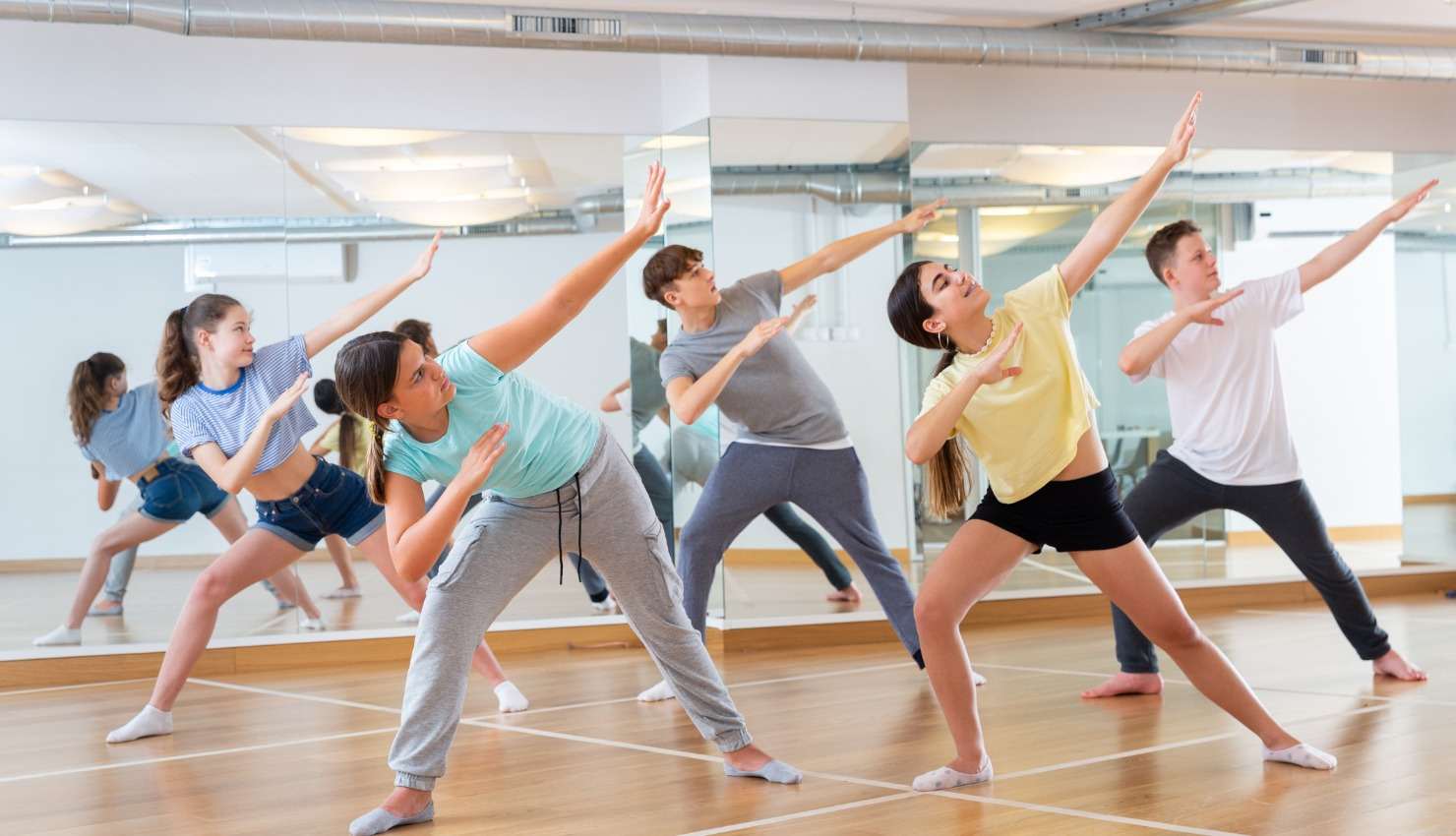
Muscle tension is the bodys response to stress, overuse, or poor movement mechanics. Common causes for dancers include:
Repetitive movements (e.g., jumps, extensions, turns)
Holding challenging positions for long periods (e.g., arabesques)
Improper warm-up or cool-down routines
Compensation for weak or tight muscles
Mental stress and performance pressure
?? Left untreated, chronic tension can reduce flexibility, limit range of motion, and increase injury risk.
?? How Physiotherapy Relieves Muscle Tension
Physiotherapists use a combination of hands-on techniques, movement strategies, and individualized plans to release tension and restore balance. Here’s how:
?? 1. Manual Therapy
One of the most effective ways to relieve tight muscles is through hands-on treatment.
Techniques include:
Deep tissue massage releases knots and chronic tightness
Myofascial release targets fascial restrictions that limit movement
Trigger point therapy deactivates painful muscle hot spots
Joint mobilizations reduce stiffness in areas like the spine, hips, and ankles
?? Manual therapy not only relieves tension but improves circulation and muscle recovery.
?? 2. Dry Needling or Acupuncture
These techniques target deep muscle fibers that are often inaccessible through massage.
Benefits:
Releases trigger points and tight bands
Decreases pain and improves flexibility
Resets dysfunctional neuromuscular patterns
?? Especially helpful for deep hip rotators, calves, or paraspinal muscles often overworked in dancers.
?? 3. Active Release Techniques (ART)
ART combines movement and manual therapy to break up adhesions in overused muscles.
Used for:
Hip flexors and rotators
Hamstrings and quadriceps
Neck and shoulder muscles (especially in contemporary or partnering work)
?? It restores mobility while retraining proper movement patterns.
?? 4. Stretching and Mobility Work
Physiotherapists prescribe dynamic and static stretches to lengthen tight muscles and restore joint range.
Examples:
PNF stretching uses muscle contractions to increase flexibility
Targeted mobility drills for hips, shoulders, and spine
Foam rolling and self-release tools taught with proper technique
?? Stretching is most effective when combined with manual therapy and strengthening.
?? 5. Corrective Exercise and Movement Re-Training
Tension often develops as a result of muscle imbalances or poor technique.
Physios assess your:
Dance technique (e.g., turnout, landing mechanics)
Posture and alignment
Muscle strength and symmetry
Then they guide you through:
Strengthening weak areas
Teaching proper movement mechanics
Avoiding overuse of already tight muscles
?? This helps prevent the return of chronic tension.
?? 6. Relaxation and Breathing Techniques
Muscle tension isn’t always physicalmental stress and anxiety can lead to tight muscles, especially in the neck, shoulders, and back.
Physiotherapists may incorporate:
Diaphragmatic breathing
Progressive muscle relaxation
Mindful movement strategies (like Pilates or somatic work)
??? These techniques calm the nervous system and reduce whole-body tension.
?? When to Seek Physiotherapy for Muscle Tension
You’re constantly tight despite regular stretching
Muscle soreness lasts more than 72 hours
You feel restricted in movement or flexibility
You’re compensating or changing technique due to stiffness
You have frequent cramps, spasms, or locked up muscles
? Benefits of Physiotherapy for Dance-Related Muscle Tension
Benefit How It Helps Dancers
Relieves pain and soreness Restores comfort and ease of movement
Improves muscle function Enhances control, strength, and coordination
Restores flexibility Supports better lines, extensions, and posture
Prevents overuse injuries Stops tension from turning into strains
Promotes recovery and performance Keeps your body ready for class, rehearsal, stage