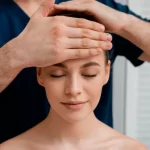
Restoring Functional Independence After Stroke with Physiotherapy explores targeted strategies for recovery. Discover new paths to mobility, healing, and personalized care.


Stroke is a life-changing event that affects millions worldwide, and its impact is often most profound in older adults. Survivors frequently face physical, cognitive, and emotional challenges that affect their ability to live independently. Restoring functional independence after a stroke is a critical goal of rehabilitation, and physiotherapy plays a central role in achieving it.
In this detailed guide, we will explore how physiotherapy supports stroke survivors in regaining essential functions, improving quality of life, and promoting long-term recovery.
The Importance of Functional Independence Post-Stroke
Functional independence means being able to carry out daily activities such as walking, dressing, eating, and personal hygiene without assistance. After a stroke, many survivors experience hemiparesis (weakness on one side of the body), impaired coordination, and balance problems, all of which limit independence.
Regaining this independence is not just about physical recoveryit also boosts mental health, self-esteem, and social engagement, which are vital for overall well-being.
How Physiotherapy Facilitates Functional Recovery
Physiotherapy after a stroke focuses on:
Muscle Strengthening: Weakness is common post-stroke; targeted exercises help rebuild muscle strength, particularly in the affected limbs.
Improving Motor Control: Retraining the brain and muscles to work together through repetitive, task-specific movements encourages neuroplasticitythe brains ability to reorganize and adapt.
Balance and Coordination Training: These exercises reduce the risk of falls and improve the ability to perform daily activities safely.
Gait Rehabilitation: Specialized techniques help restore walking ability, from relearning basic stepping to improving endurance and speed.
Managing Spasticity and Tone: Stretching, positioning, and manual therapies prevent muscle stiffness and contractures that can limit movement.
Breathing Exercises: Strengthening respiratory muscles is crucial for overall stamina and health.
Personalized Treatment Plans
Every stroke is unique, so physiotherapy programs are customized based on the survivors abilities, stroke severity, and goals. A physiotherapist will assess motor skills, balance, coordination, and endurance before developing a comprehensive rehabilitation plan.
This plan evolves over time, adapting to improvements and new challenges, ensuring continuous progress.
Key Techniques Used in Post-Stroke Physiotherapy
Constraint-Induced Movement Therapy (CIMT): Encourages use of the weaker limb by restricting the stronger one, promoting brain rewiring.
Functional Electrical Stimulation (FES): Electrical impulses stimulate muscle contractions to improve function.
Task-Specific Training: Practicing real-life tasks like reaching, grasping, and walking to improve everyday functionality.
Neurodevelopmental Techniques: Hands-on methods to facilitate normal movement patterns.
Balance Platforms and Virtual Reality: Innovative tools to engage patients in balance training.
The Role of Caregivers and Support Systems
Physiotherapy success often depends on active support from family and caregivers. They play a vital role by:
Encouraging and assisting with home exercises
Creating a safe living environment to prevent falls
Providing emotional support during recovery
Educating caregivers on proper techniques and stroke management enhances outcomes.
Overcoming Common Challenges
Stroke recovery can be slow and frustrating. Patients may face:
Fatigue and low motivation
Emotional issues like depression or anxiety
Plateaus in progress
Physiotherapists address these by pacing therapy, setting realistic goals, and collaborating with multidisciplinary teams including occupational therapists and psychologists.
Long-Term Benefits of Physiotherapy Post-Stroke
Enhanced physical function and mobility
Greater independence in daily living
Reduced risk of secondary complications like pressure sores and pneumonia
Improved mental health and social participation
Increased confidence and quality of life
Practical Tips for Stroke Survivors
Stay consistent with therapy sessions and home exercises.
Communicate openly with your physiotherapist about difficulties.
Maintain a balanced diet and stay hydrated.
Use assistive devices when needed but work towards reducing dependency.
Celebrate small achievements to stay motivated.
Conclusion
Physiotherapy is indispensable in restoring functional independence after stroke. It empowers survivors to regain control over their lives, improves physical and mental health, and supports long-term recovery. If you or a loved one is recovering from a stroke, engaging with a skilled physiotherapist can make a meaningful difference in the journey toward independence and improved quality of life.