Restoring Functional Movement Through Movement Therapy 1. Assessment of Movement Patterns…

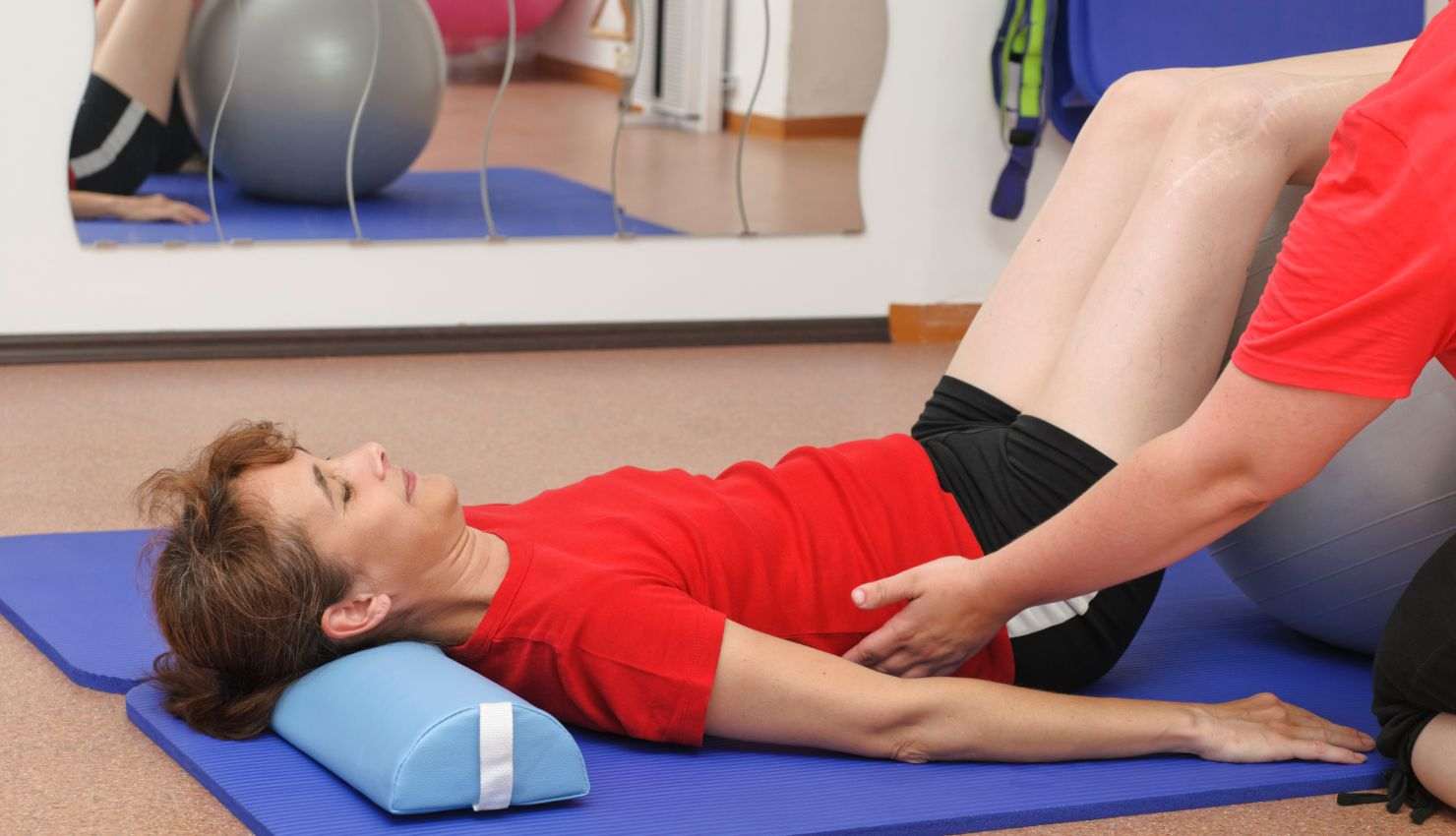
Restoring Functional Movement Through Movement Therapy
1. Assessment of Movement Patterns
Therapists evaluate movement quality to identify restrictions, compensations, or weaknesses.
Focus on joints, muscles, and nervous system integration.
2. Improving Joint Mobility and Flexibility
Targeted exercises to restore normal joint range of motion.
Reduces stiffness that limits movement.
3. Strengthening Key Muscle Groups
Builds strength in muscles essential for functional tasks (e.g., core, legs, arms).
Helps improve stability and power.
4. Enhancing Neuromuscular Control
Re-training coordination and timing between muscles for smooth, efficient movement.
Often involves repetitive, task-specific exercises.
5. Balance and Proprioception Training
Improves body awareness and control to prevent falls and ensure stability during movement.
6. Task-Specific Functional Training
Exercises mimic real-life activities such as walking, reaching, lifting, and sitting/standing.
Encourages carryover of therapy gains to daily life.
7. Gradual Progression and Adaptation
Therapy progresses from simple movements to complex, multi-joint tasks.
Adapted to individual goals and abilities.