Restoring Strength to the Spine and Core After Injury with Physiotherapy explores targeted strategies for recovery. Discover new paths to mobility, healing, and personalized care.

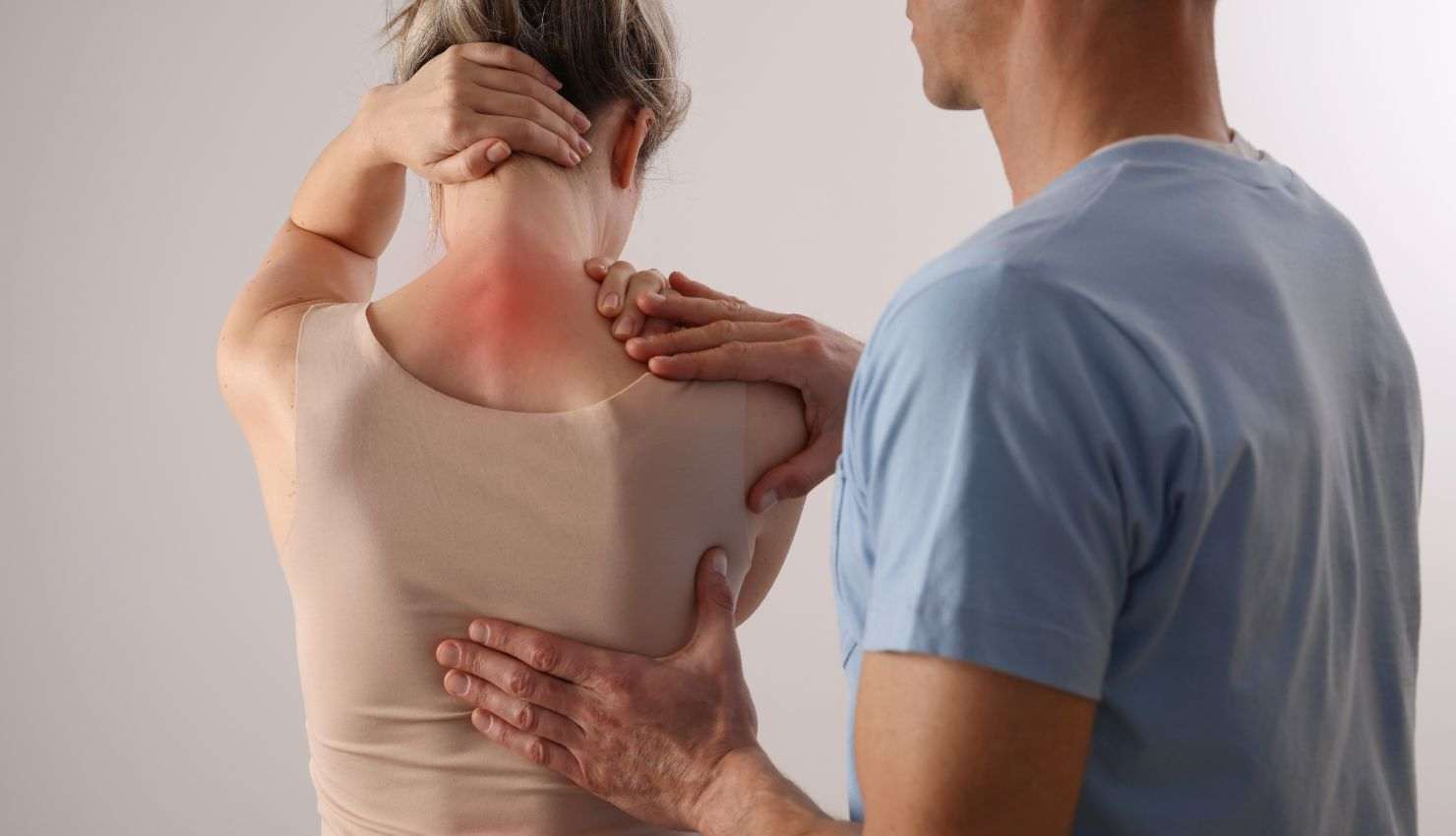
Injuries to the spine can be life-altering, affecting your mobility, comfort, and overall quality of life. Whether from trauma, surgery, or chronic conditions, spinal injuries often weaken the muscles that support the spine particularly the core muscles. Restoring strength in the spine and core is essential for recovery, pain reduction, and preventing further injury. Physiotherapy is the go-to solution for guiding this restoration process safely and effectively.
Why Core and Spinal Strength Matter After Injury
The spines stability depends largely on the muscles surrounding it, especially the core. After an injury, these muscles may weaken due to pain, immobilization, or disuse. Without adequate strength, the spine becomes vulnerable to further damage and postural issues.
Rebuilding this strength helps:
Support spinal alignment and reduce abnormal movement
Decrease pain by stabilizing the injured area
Restore mobility and function for daily activities
Prevent compensatory injuries in other body parts
Promote confidence and independence in movement
The Role of Physiotherapy in Rehabilitation
Physiotherapists specialize in tailoring rehabilitation programs based on injury severity, patient goals, and individual health. They use evidence-based techniques to restore strength while protecting healing tissues.
A typical physiotherapy approach includes:
Assessment: Evaluating muscle strength, spinal mobility, posture, and pain levels.
Pain Management: Applying modalities like heat, ice, or electrical stimulation to reduce discomfort.
Gentle Mobilization: Promoting movement without stressing injured structures.
Targeted Core Strengthening: Rebuilding muscle support through controlled exercises.
Posture Correction: Teaching optimal positions for sitting, standing, and movement.
Functional Training: Improving balance, coordination, and endurance.
Core Rehabilitation Exercises After Spinal Injury
Rehabilitation progresses through phases, starting with gentle muscle activation and advancing to dynamic strengthening:
Isometric Core Activation
Activating core muscles without joint movement helps rebuild strength safely. Examples include abdominal bracing and pelvic tilts.
Bridging Exercises
These strengthen glutes and lower back while supporting spinal stability.
Bird-Dog
Improves balance and coordination by extending opposite limbs while keeping the spine neutral.
Modified Planks
Build endurance in abdominal and back muscles without excessive strain.
Wall Sits and Squats
Integrate core stability with lower body strength for functional movement.
The Importance of Progression and Monitoring
Each patients recovery timeline varies. Physiotherapists adjust exercise intensity, frequency, and complexity based on healing status and tolerance. They also monitor posture and movement patterns to prevent compensations that could cause secondary issues.
Adhering to prescribed therapy sessions and home exercises is crucial for optimal results.
Beyond the Clinic: Lifestyle and Ergonomic Adjustments
Restoring spinal and core strength isnt limited to exercise. Patients are encouraged to:
Practice good ergonomics at work and home to reduce strain.
Use supportive seating and mattresses.
Avoid heavy lifting or twisting motions early in recovery.
Maintain a balanced diet to support healing.
Manage stress, which can affect muscle tension and pain perception.
Real-Life Impact of Physiotherapy on Spinal Injury Recovery
Countless patients have experienced transformative improvements through physiotherapy. With dedicated core strengthening and spinal rehabilitation, many regain independence, reduce reliance on pain medication, and return to activities they love.
Conclusion
Injuries to the spine demand a comprehensive rehabilitation strategy focused on restoring strength and stability. Physiotherapy offers a structured, safe, and effective path to rebuilding your spine and core muscles after injury. By committing to this process, you invest in a healthier, more resilient spine and a better quality of life.