Should Dancers Seek Physiotherapy After Every Performance? explores targeted strategies for recovery. Discover new paths to mobility, healing, and personalized care.

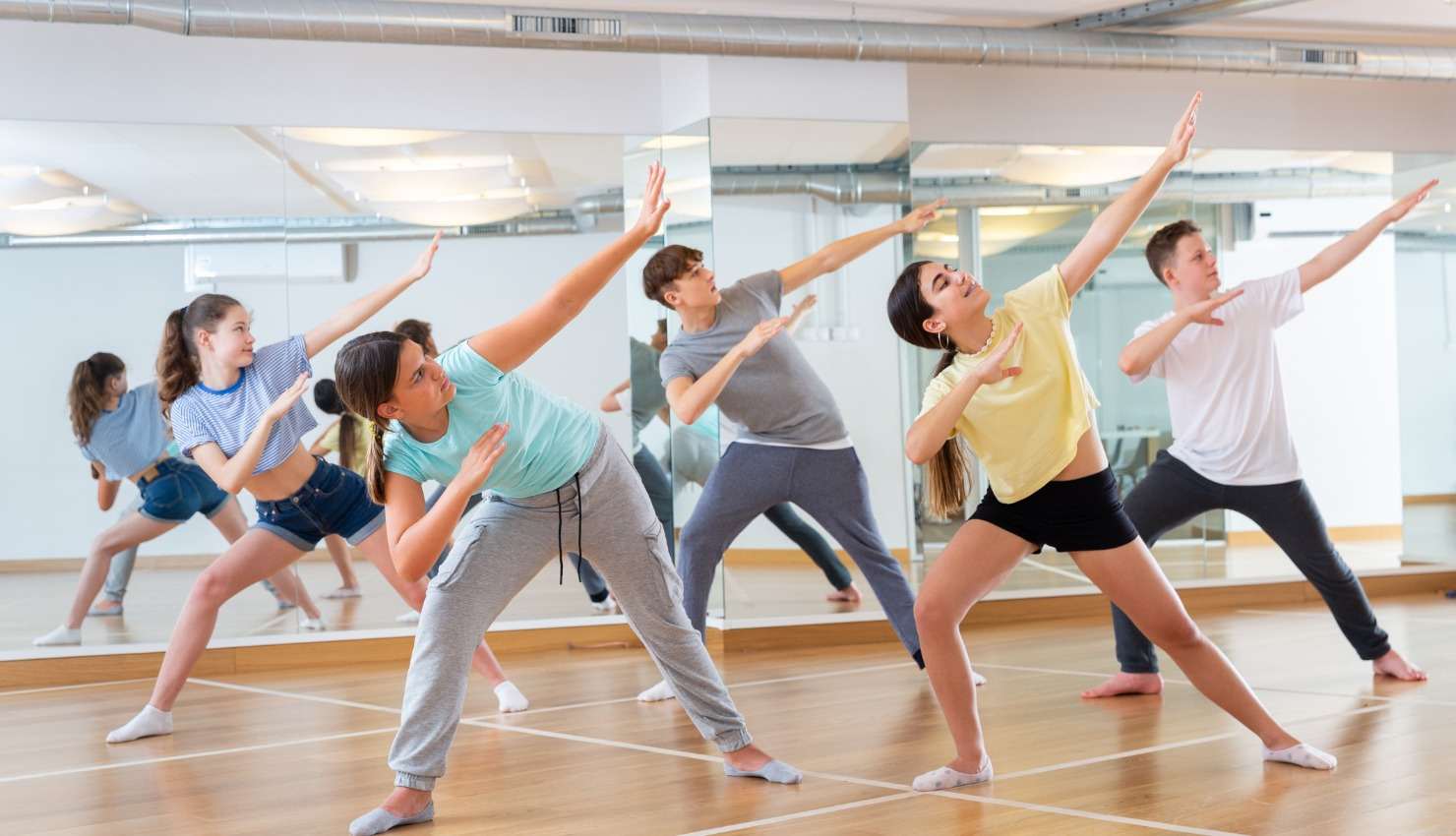
Performances are physically intense, emotionally charged, and often push a dancers body to the limit. Its natural to wonder: Should dancers seek physiotherapy after every performance?
The short answer is: Not always, but regularly consulting a physiotherapistespecially after demanding performancescan be highly beneficial. Lets explore why.
? When Physiotherapy After a Performance Is a Good Idea
1. After Physically Demanding or Repetitive Shows
If a performance involves high-impact movements, long durations, or multiple shows in a short span, the risk of overuse injuries increases. Post-performance physiotherapy can:
Relieve muscle tension
Detect early signs of strain
Prevent the buildup of fatigue-related injuries
2. If You Experience Pain, Tightness, or Discomfort
Even minor discomfort can signal underlying issues. A physiotherapist can assess the problem early, provide treatment, and guide you on safe recovery strategiesbefore it escalates.
3. During Peak Performance Seasons
Dancers often perform intensively during tours, competitions, or seasonal showcases. Regular physiotherapy during these periods helps:
Speed up recovery
Maintain peak physical condition
Prevent burnout and injury accumulation
????? What Physiotherapy Can Offer Post-Performance
Manual therapy to release tight muscles and fascia
Stretching and mobility exercises to restore range of motion
Ice/heat therapy to reduce inflammation
Strength and conditioning guidance to support recovery
Movement analysis to correct any emerging imbalances
?? When It Might Not Be Necessary
If a dancer:
Is well-conditioned
Has no pain or movement restriction
Has had adequate rest and recovery time
Is not in an intense performance phase
…then a full physiotherapy session after every performance might not be essential.
Instead, they can benefit from:
A light recovery routine (foam rolling, stretching)
Restorative practices like yoga or a warm bath
Regular physiotherapy check-ins (e.g., once every few weeks)
?? Best Practice: Proactive, Not Just Reactive
Physiotherapy is most effective when its part of a dancers ongoing care routine, not just a response to injury or soreness. Many professionals schedule routine sessions, regardless of injury, to:
Stay in alignment
Prevent overload
Maximize performance longevity