Set Chair Height for Proper Hip and Knee Alignment Sit with your feet flat on the floor

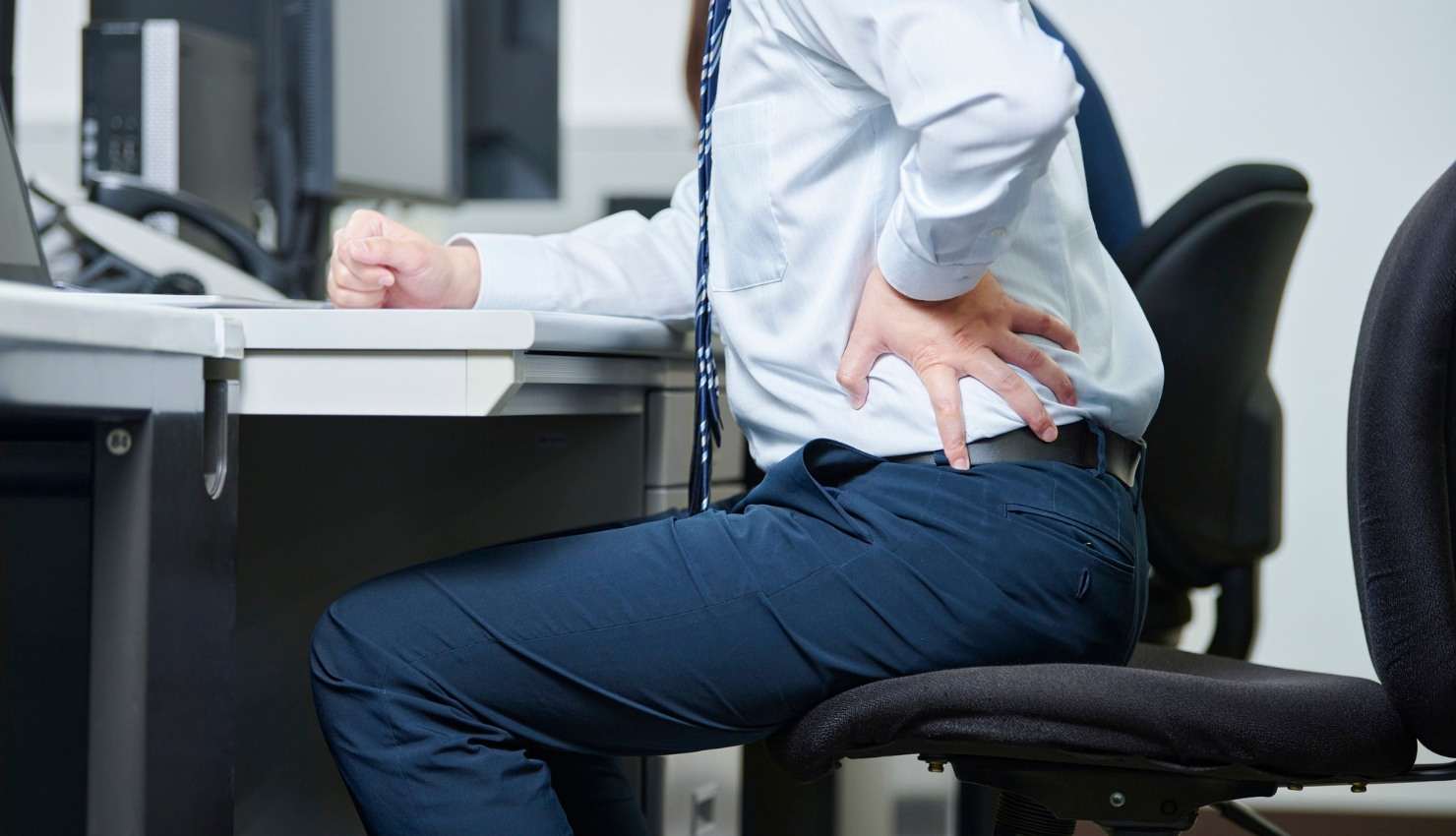
Set Chair Height for Proper Hip and Knee Alignment
Sit with your feet flat on the floor
Knees should be at 90100°, level with or slightly lower than your hips
Thighs should be parallel to the floor
?? If your chair is too high, use a footrest. Too low? Add a seat cushion.
?? 2. Support Your Lower Back (Lumbar Spine)
Use built-in lumbar support if available
Otherwise, roll up a towel or use a small cushion and place it at the small of your back
This maintains the natural curve in your spine and prevents slouching
? Lumbar support reduces lower back fatigue by keeping your pelvis in the right position.
?? 3. Check Your Seat Depth
When seated, there should be 23 fingers of space between the edge of your chair and the back of your knees
If the seat is too deep, add a back cushion to shorten it
If it’s too shallow, you may need to switch chairs to ensure adequate thigh support
? Proper seat depth allows better blood flow behind the knees and full back support.
?? 4. Adjust the Backrest Angle for Comfort and Support
Set the backrest to a 100°110° reclined angle
This takes pressure off your lower spine while encouraging upright posture
Avoid reclining too far, which can cause you to crane your neck toward your screen
?? A slight recline encourages relaxation without collapsing your posture.
?? 5. Align the Armrests
Adjust armrests so your elbows are at a 90° angle, close to your body
Forearms should rest lightlynot leaning heavilyon the armrests
If your chairs armrests are too high or low and non-adjustable, consider removing them altogether
? Proper armrest height reduces shoulder and neck tension.
?? 6. Keep Feet Supported
Feet flat on the floor helps balance your weight and stabilizes your posture
If your feet dangle, use a footrest or a sturdy box to elevate them
Avoid crossing your legs or sitting on one foot, which misaligns the spine
?? Foot support leads to better posture from the ground up.
?? 7. Position Yourself Close to Your Desk
Sit close enough so youre not reaching forward to type or use the mouse
Your upper arms should stay vertical, and wrists straight
Slide your chair in until your belly is just a few inches from the desk edge
?? Staying close to your desk reduces slouching and shoulder strain.
?? Quick Daily Chair Setup Checklist:
?? Item Ideal Position
Seat height Feet flat, knees at 90100°
Lumbar support Natural curve supported
Seat depth 23 fingers space behind knees
Backrest angle Slightly reclined (100110°)
Armrests Elbows at 90°, relaxed shoulders
Feet Supported, uncrossed
Distance from desk Elbows just in front of torso
?? Bonus: Add Movement to Your Sitting Routine
Even with perfect chair ergonomics, static sitting leads to stiffness. Break the cycle with:
Microbreaks every 3060 minutes
Chair exercises like shoulder rolls, neck stretches, or seated twists
Alternating between sitting and standing, if you have a sit-stand desk
?? “The best posture is your next posture.” Keep moving!
?? Final Tip:
If you consistently feel pain or stiffness despite making these adjustments, consult a physiotherapist. They can provide a personalized posture analysis and recommend targeted stretches and strength-building exercises to improve your sitting tolerance.