Spinal Decompression and Core Strengthening explores targeted strategies for recovery. Discover new paths to mobility, healing, and personalized care.

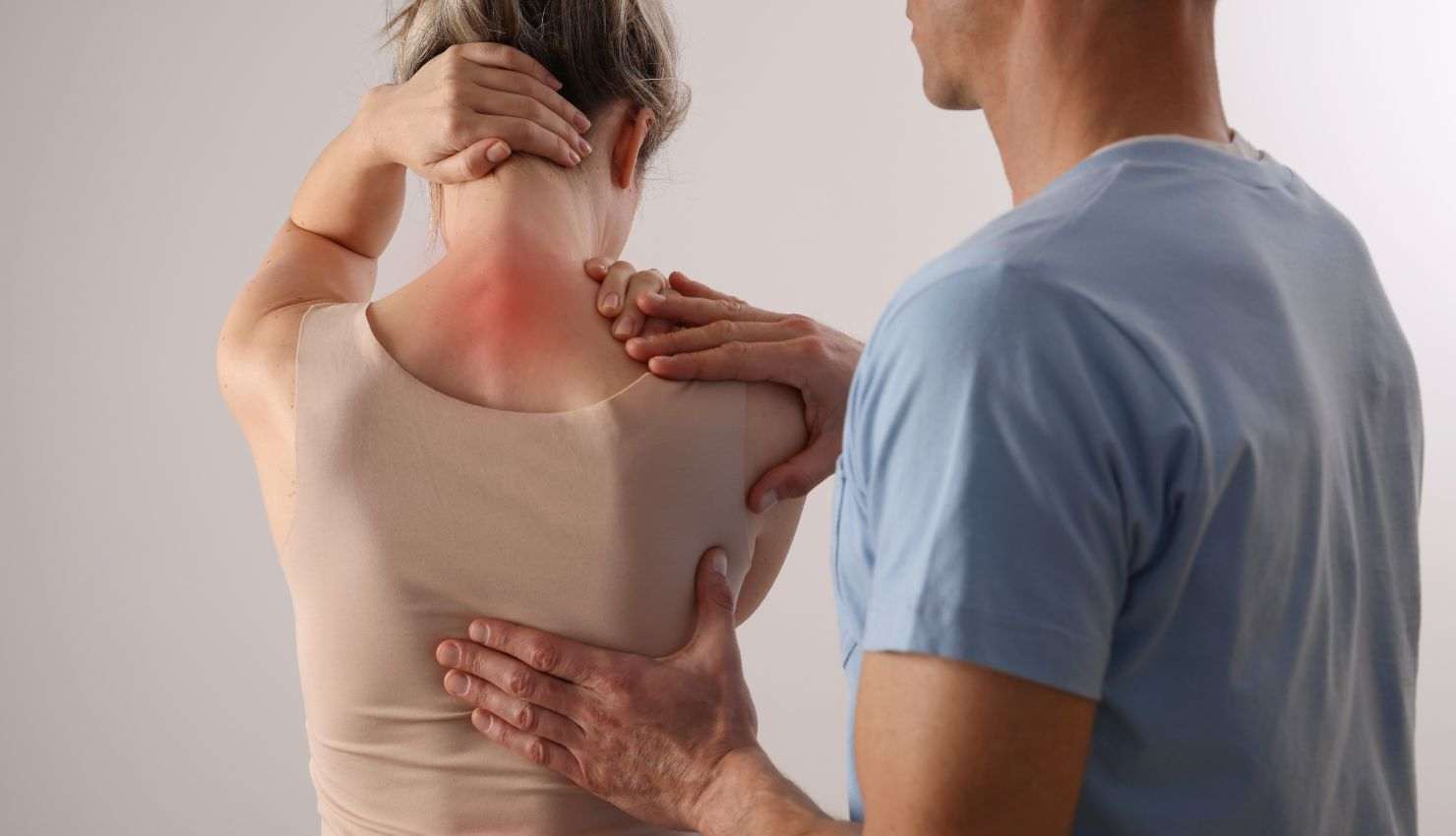
Back pain and spinal issues affect millions of people, often limiting mobility and quality of life. Two powerful strategies in physiotherapyspinal decompression and core strengtheningwork hand-in-hand to relieve pressure on spinal structures and promote lasting spinal health. At YourFormsUX in Canada, we integrate these approaches into personalized rehabilitation programs to help our clients find relief and regain function.
What Is Spinal Decompression?
Spinal decompression is a therapeutic technique designed to gently stretch the spine, reducing pressure on compressed discs, nerves, and joints. It can be performed manually by a physiotherapist or with specialized equipment that applies controlled traction to the spinal column.
Decompression helps:
Alleviate nerve root compression
Reduce disc bulges or herniations
Improve spinal alignment
Enhance circulation and nutrient flow to spinal tissues
Why Combine Spinal Decompression with Core Strengthening?
While decompression relieves immediate pressure and pain, core strengthening provides the long-term support needed to maintain spinal health. Without a strong core, the spine remains vulnerable to further injury and misalignment.
Core strengthening:
Stabilizes the spine during movement and rest
Supports proper posture
Distributes forces evenly across spinal structures
Prevents recurrence of spinal issues
Together, these therapies address both symptom relief and prevention.
How YourFormsUX Designs Integrated Programs
Our physiotherapists begin with a thorough assessment to identify the root causes of spinal discomfort and instability. From there, we create a balanced program that includes:
Spinal Decompression Therapy: Manual or mechanical techniques to reduce pressure on affected areas.
Core Activation and Strengthening: Targeted exercises focusing on deep stabilizing muscles like the transverse abdominis and multifidus.
Postural Training: Education and exercises to improve daily posture habits.
Functional Movement Training: Incorporating core engagement and spinal protection into everyday tasks.
Core Exercises Complementing Spinal Decompression
Effective core exercises in this context include:
Modified Planks: Build endurance in a pain-free range.
Bird Dog: Improves spinal stability and coordination.
Bridging: Strengthens glutes and lower back muscles.
Pelvic Tilts: Enhance lumbar mobility and core control.
Dead Bug: Encourages controlled core muscle engagement while moving limbs.
Benefits of Combining Both Approaches
Pain Relief: Decompression reduces nerve irritation, and core strength prevents further strain.
Improved Mobility: Together, they restore comfortable spinal movement.
Enhanced Stability: A strong core supports the spine post-decompression.
Long-Term Spine Health: Addresses both symptoms and root causes.
Reduced Need for Surgery: Effective conservative care can sometimes avoid invasive procedures.
Lifestyle Tips to Support Spinal Health
Practice good posture throughout the day.
Avoid heavy lifting without proper technique.
Stay active with low-impact exercises.
Incorporate core strengthening into your routine.
Use ergonomic furniture and supports.
Why Trust YourFormsUX for Your Spinal Care?
Our Canada-based physiotherapy team combines cutting-edge techniques with compassionate care. We tailor decompression and core strengthening programs to your specific needs, ensuring safe, effective, and lasting results.
Conclusion
Spinal decompression and core strengthening together offer a comprehensive physiotherapy approach to managing back pain and promoting spinal health. If youre struggling with spinal discomfort or instability, contact YourFormsUX to explore how this integrated approach can help you regain comfort and mobility.