Spinal Health and Core Strength explores targeted strategies for recovery. Discover new paths to mobility, healing, and personalized care.

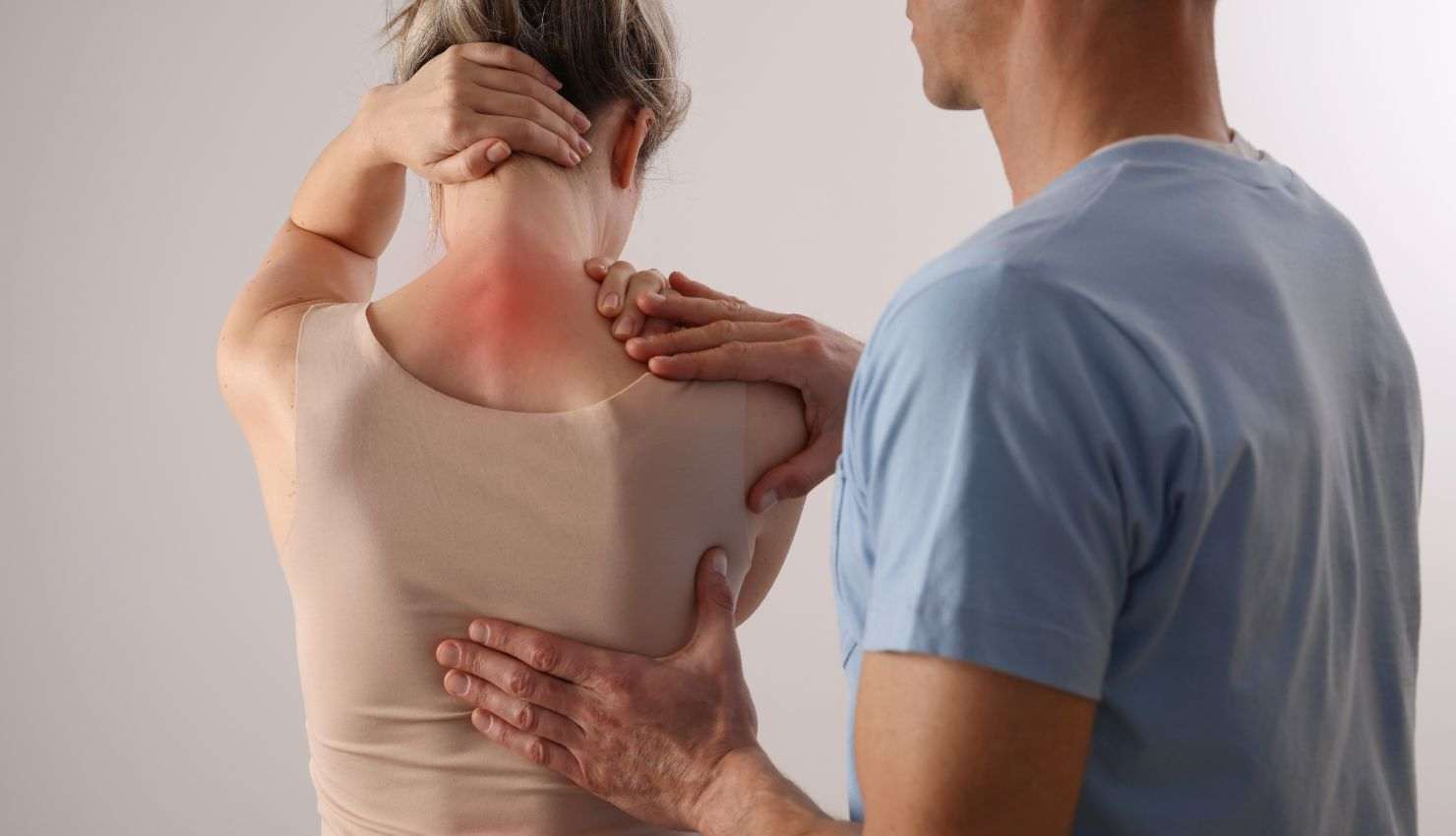
Maintaining spinal health is crucial for mobility, posture, and overall well-being. One of the most effective ways to support your spine is through building core strength. But why are spinal health and core strength so closely linked? At YourFormsUX, we believe understanding this relationship can empower you to take better care of your back and improve your quality of life.
In this blog, well explore the vital connection between spinal health and core strength, the benefits of a strong core, and practical ways to develop core muscles for a healthier spine.
The Anatomy of the Core and Spine
Your core is more than just your abdominal muscles. It includes a complex network of muscles such as:
Transverse abdominis (deep abdominal muscle)
Multifidus (deep back muscle)
Pelvic floor muscles
Diaphragm
Obliques
Together, these muscles stabilize the spine, pelvis, and rib cage, supporting every movement you make.
The spine itself is made up of vertebrae, intervertebral discs, ligaments, and nerves. Its a flexible yet delicate structure that relies heavily on muscular support to maintain its natural curves and alignment.
How Core Strength Supports Spinal Health
Provides Stability
A strong core acts like a natural brace, stabilizing your spine during movement and while holding still. This reduces excessive spinal motion that can lead to wear, injury, or pain.
Enhances Posture
Core muscles maintain proper spinal alignment, preventing slouching or excessive curvature that stresses discs and joints.
Reduces Risk of Injury
By absorbing shock and distributing forces evenly, a strong core protects your spine from injuries caused by sudden movements or heavy lifting.
Improves Functional Movement
Everyday activities such as bending, twisting, and lifting become safer and easier with a stable core supporting your spine.
Alleviates and Prevents Back Pain
Weak core muscles are a common factor in chronic back pain. Strengthening the core reduces muscle imbalances and helps manage or prevent pain.
Signs You May Have Weak Core Support Affecting Your Spine
Frequent lower back pain or stiffness
Poor posture or difficulty maintaining upright position
Difficulty with balance or coordination
Limited range of motion in the back
Fatigue after physical activity involving the back
Effective Ways to Build Core Strength for Spinal Health
Start with Core Activation Exercises: Simple moves like abdominal bracing and pelvic tilts engage the deep stabilizing muscles.
Incorporate Functional Movements: Exercises like bridges, bird-dogs, and planks build strength and coordination.
Add Flexibility Training: Stretching and mobility exercises maintain spinal flexibility alongside core strength.
Use Proper Breathing Techniques: Diaphragmatic breathing supports core engagement.
Progress with Resistance and Stability Challenges: Use stability balls, resistance bands, or balance boards to challenge your core safely.
Why Consistency and Professional Guidance Matter
Building core strength is a gradual process. Consistent practice, combined with professional guidanceespecially if you have existing back issuesensures safe progress and prevents injury.
Physiotherapists can tailor core strengthening programs to your needs, focusing on proper technique and addressing any muscle imbalances.
How YourFormsUX Supports Your Journey to Better Spinal Health
While YourFormsUX is best known for streamlined form solutions, we are committed to providing insights that promote overall wellness. Understanding the core-spine relationship equips Canadians to protect their spinal health through informed choices and effective exercise.
Conclusion
Spinal health and core strength are inseparable partners in maintaining a strong, flexible, and pain-free back. Strengthening your core muscles not only stabilizes your spine but also enhances posture, reduces injury risk, and supports everyday movement.
Whether youre looking to prevent back problems or manage existing pain, investing time in building your core is one of the best ways to support lifelong spinal health.