Sports-Specific Therapy for Athletes with Chronic Injuries explores targeted strategies for recovery. Discover new paths to mobility, healing, and personalized care.

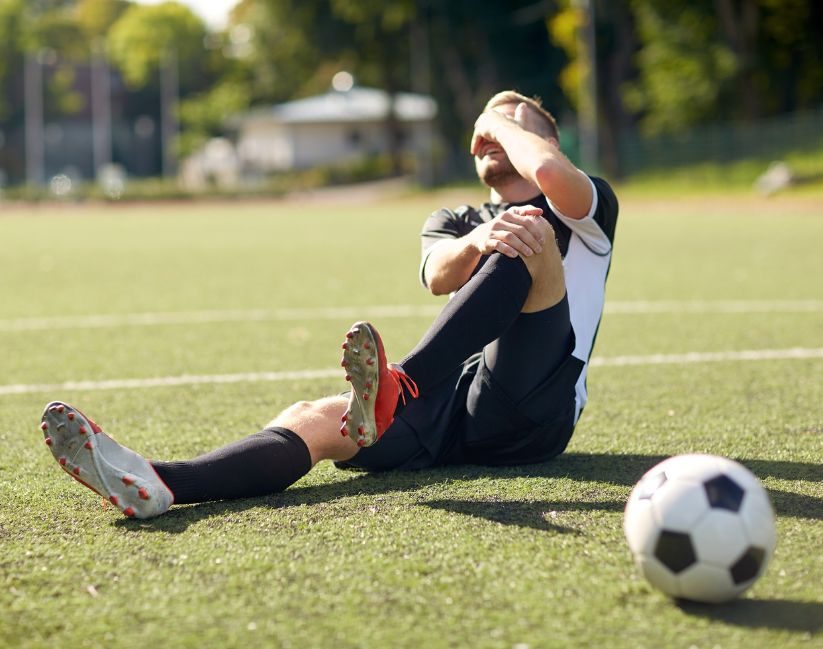
Athletes, whether amateur or professional, often face the challenge of managing chronic injuriesthose persistent issues that linger beyond the typical healing timeframe and can significantly impact performance and quality of life. Chronic injuries, such as tendonitis, stress fractures, joint pain, and muscle imbalances, require a thoughtful, sports-specific therapeutic approach that goes beyond standard care.
Sports-specific therapy offers a comprehensive, individualized strategy to address chronic injuries by targeting the unique demands of the athletes sport, biomechanics, and lifestyle. This approach not only aids in pain management and functional recovery but also empowers athletes to maintain peak performance and reduce the risk of flare-ups.
Understanding Chronic Injuries in Athletes
Chronic injuries develop over time, often due to repetitive stress, improper training techniques, biomechanical faults, or insufficient recovery. Unlike acute injuries, which result from sudden trauma, chronic injuries are gradual, sometimes subtle, and can become debilitating if untreated.
Common chronic conditions seen in athletes include:
Tendinopathies (e.g., Achilles tendinitis, tennis elbow)
Stress fractures from repetitive load
Chronic joint instability
Muscle imbalances and compensations
Osteoarthritis and cartilage wear
These injuries often manifest as persistent pain, reduced range of motion, weakness, and impaired function.
Why Sports-Specific Therapy is Essential for Chronic Injuries
Generic rehabilitation protocols may offer temporary relief but often fail to address the specific movement patterns, muscle demands, and injury mechanisms linked to the athletes sport. Sports-specific therapy tailors interventions to the athletes unique biomechanical profile and sport-related stresses, leading to more effective, sustainable outcomes.
Key Elements of Sports-Specific Therapy for Chronic Injuries
1. Detailed Biomechanical and Functional Assessment
A thorough evaluation identifies movement dysfunctions, muscle imbalances, joint restrictions, and faulty mechanics contributing to the chronic condition. Tools such as gait analysis, video review, and strength testing provide objective data.
2. Pain and Inflammation Management
Initial focus often involves reducing pain and inflammation using modalities like manual therapy, ultrasound, and electrotherapy, creating a foundation for rehabilitation.
3. Targeted Strengthening and Muscle Rebalancing
Chronic injuries frequently involve weakened or inhibited muscles. Therapy includes exercises to strengthen underused muscles while relaxing or stretching overactive ones, restoring balance and joint stability.
4. Neuromuscular Re-education and Proprioceptive Training
Re-training the nervous system to improve joint position sense, coordination, and movement patterns reduces injury recurrence and enhances performance.
5. Sport-Specific Functional Training
Exercises replicate sport-specific movements and demands, gradually preparing the athlete for safe return to competition.
6. Load Management and Recovery Optimization
Therapists help athletes modulate training loads and incorporate recovery strategies to prevent exacerbations.
Managing Common Chronic Injuries with Sports-Specific Therapy
Chronic Tendinopathy: Eccentric loading programs combined with biomechanical correction and gradual sport-specific return.
Stress Fractures: Activity modification, strength training, and shock absorption techniques tailored to the athletes sport.
Joint Instability: Strengthening periarticular muscles and proprioceptive drills customized for the athletes position and movements.
Osteoarthritis: Low-impact strengthening, mobility work, and functional training to maintain joint health and performance.
Psychological Support and Athlete Education
Chronic injuries can be mentally taxing. Sports-specific therapy includes education on injury mechanisms, pain management, and realistic goal setting to foster resilience and adherence.
Why Canadian Athletes Benefit from Sports-Specific Therapy
Canadas diverse sports environment demands therapy programs adapted to varying conditions and competition schedules. Experienced physiotherapists offer comprehensive care integrating local sports knowledge with advanced rehabilitation techniques.
Conclusion
Chronic injuries present complex challenges that require a specialized, sports-specific approach for effective management. By addressing biomechanical faults, optimizing strength and coordination, and tailoring rehabilitation to sport demands, athletes can regain function, reduce pain, and return to their sport with confidence.
If youre dealing with a chronic injury, partnering with a sports-specific physiotherapist can transform your recovery journey and help you maintain a high level of athletic performance.