Sports-Specific Therapy for Football Players explores targeted strategies for recovery. Discover new paths to mobility, healing, and personalized care.

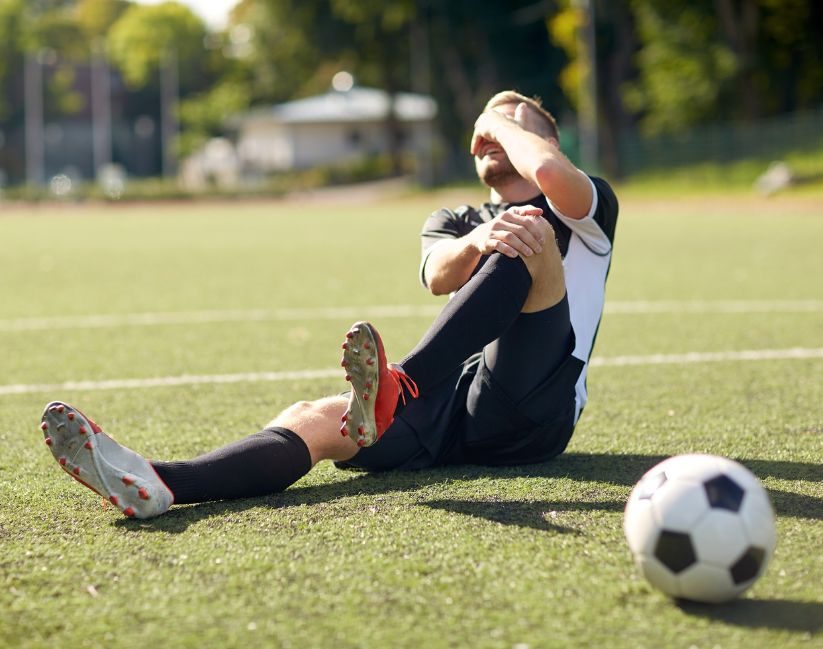
Football is a demanding sport, putting players through intense physical challenges that often lead to injuries. Whether its a sprained ankle, a torn ligament, or muscle strain, recovering from these injuries requires more than just restit calls for a tailored, sports-specific rehabilitation approach. For football players, this means physiotherapy designed to meet the unique demands of the game, helping athletes regain strength, agility, and confidence to get back on the field stronger than before.
Why Post-Injury Rehabilitation Matters in Football
Injuries in football are not just about the initial pain or damagethey impact an athletes overall performance and career longevity. Without proper rehabilitation, players risk chronic pain, recurring injuries, and decreased mobility. This is where post-injury rehabilitation steps in, focusing on healing the injury while also preparing the athlete for the specific movements and stresses of football.
Effective rehab helps restore muscle balance, rebuilds endurance, and improves joint stability. Its about creating a foundation that prevents re-injury and supports peak performance, especially for football players who face explosive sprints, sudden direction changes, and physical contact.
What Is Sports-Specific Therapy for Football Players?
Sports-specific therapy goes beyond general physiotherapy by targeting the exact skills and movements required in football. This approach considers the players position, the nature of their injury, and the physical demands theyll encounter upon return.
For example, a running back requires explosive speed and agility, while a lineman needs strength and power. Tailored therapy programs address these needs by incorporating exercises that mimic real game scenarios, enhancing functional recovery. This might include agility drills, resistance training, balance exercises, and plyometrics designed to simulate footballs dynamic environment.
Key Components of Football Post-Injury Rehab
Assessment and Personalized Plan
Every rehab journey starts with a thorough assessment by a physiotherapist. They evaluate the injury, the players fitness level, and any biomechanical issues. Based on this, a personalized rehab plan is developed to ensure targeted recovery.
Pain Management and Inflammation Control
Early-stage rehab focuses on reducing pain and swelling using techniques like manual therapy, cryotherapy, and electrical stimulation to facilitate healing.
Restoring Mobility and Flexibility
Injuries often result in stiffness and restricted motion. Gentle stretching and mobilization exercises gradually restore the full range of motion critical for football movements.
Strengthening and Conditioning
Rebuilding muscle strength, especially in the injured area, is essential. Therapists use resistance training and functional exercises to restore power and endurance.
Neuromuscular Re-education
Football players need sharp reflexes and precise movements. Rehab includes drills to retrain the nervous system for better coordination and balance.
Sport-Specific Drills
As the player progresses, therapy integrates football-specific skills like sprinting, cutting, and jumping to prepare for real-game conditions.
Injury Prevention Education
Therapists educate players on proper techniques, warm-up routines, and recovery strategies to minimize future injury risks.
Benefits of Choosing Sports-Specific Physiotherapy
Opting for specialized physiotherapy tailored to football offers numerous benefits:
Faster recovery times through targeted treatments
Improved functional outcomes aligned with football demands
Reduced risk of re-injury due to comprehensive rehab
Enhanced athletic performance and confidence on return
Support from therapists who understand the sports unique challenges
The Role of Technology in Modern Football Rehabilitation
Advanced tools like motion analysis, wearable sensors, and virtual reality are increasingly part of post-injury rehab. These technologies help track progress, correct form, and simulate game-like environments, making rehabilitation more effective and engaging for football players.
Why Work with a Physiotherapist Experienced in Football?
Football injuries require specialized knowledge. Physiotherapists experienced with football players understand the common injury patterns, the sports biomechanics, and the psychological aspects of recovery. This expertise ensures that rehab programs are not only effective but also realistic and motivating for athletes.
Conclusion
In football, post-injury rehabilitation is a crucial step that bridges the gap between injury and a full, confident return to play. Sports-specific therapy ensures that football players dont just heal but come back stronger, faster, and more resilient. If youre a football player recovering from injury or want to prevent future setbacks, investing in specialized physiotherapy is your best play.