Sports-Specific Therapy for Injury Recovery in Ice Hockey Players explores targeted strategies for recovery. Discover new paths to mobility, healing, and personalized care.

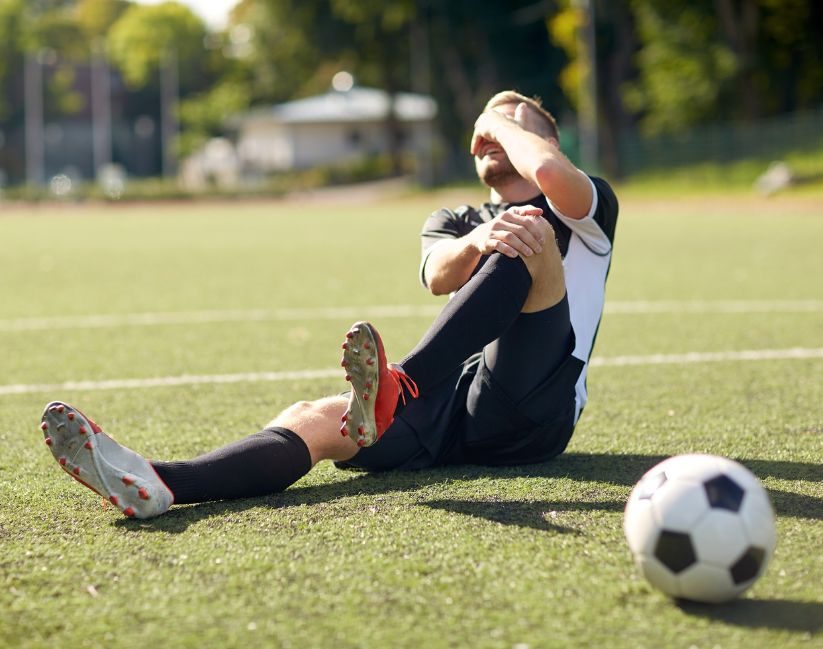
Ice hockey is one of the most physically demanding sports, combining speed, power, agility, and full-contact play. Because of this intensity, ice hockey players are prone to a wide range of injuriesfrom muscle strains and concussions to joint sprains and fractures. Recovering quickly and effectively is crucial to get back on the ice strong and confident.
Sports-specific therapy tailored for ice hockey players offers a targeted approach to injury recovery and performance enhancement. In this blog, well explore how such therapy addresses common hockey injuries, the benefits of customized rehab programs, and how players can maximize their recovery.
Why Ice Hockey Players Need Sports-Specific Therapy
The unique demands of ice hockeyrapid skating, abrupt stops, sharp turns, and physical collisionsmean injuries often involve:
Knees and ankles (sprains, ligament tears)
Shoulders (dislocations, rotator cuff injuries)
Concussions and head trauma
Muscle strains (hamstrings, quadriceps)
Overuse injuries from repetitive skating motion
Sports-specific therapy accounts for the mechanics of skating and the physical stresses of hockey, enabling focused rehabilitation that promotes safe and functional return to play.
Common Injuries in Ice Hockey and Therapy Focus
1. Knee Ligament Injuries
Sudden pivots and collisions put stress on knees. Therapy involves strengthening the muscles around the knee, improving joint stability, and retraining skating techniques.
2. Shoulder Injuries
Falls and hits can injure the shoulder complex. Therapy focuses on restoring range of motion, strengthening stabilizers, and preventing recurrent dislocations.
3. Muscle Strains
Rapid acceleration and deceleration can cause hamstring or groin strains. Therapy incorporates gradual loading and functional exercises that mimic skating demands.
4. Concussion Recovery
Post-concussion therapy includes gradual return to physical activity, vestibular and balance training, and cognitive rehabilitation.
Components of Sports-Specific Therapy for Ice Hockey
Detailed Injury Assessment: Identifies extent of injury and functional limitations.
Manual Therapy: Pain relief and tissue mobilization to improve mobility.
Strength and Conditioning: Focus on muscles essential for skating power and endurance.
Neuromuscular Training: Improves balance and proprioception critical for on-ice performance.
Functional Movement Drills: Simulate skating and hockey-specific actions to prepare for return to sport.
Education on Load Management: Helps prevent re-injury by balancing training and rest.
How Customized Therapy Benefits Ice Hockey Players
Every players injury and recovery journey is unique. Customized therapy plans consider:
Position played (forward, defense, goalie).
Specific injury characteristics.
Individual biomechanics.
Training and game schedules.
Personal goals for return to play.
This individualized approach maximizes recovery outcomes and minimizes downtime.
When to Seek Sports-Specific Therapy
If you experience persistent pain, decreased skating speed, instability, or functional limitations after an injury, prompt consultation with a sports-specific therapist is vital. Early intervention often leads to faster, safer recovery.
Frequently Asked Questions (FAQs)
Q: How soon after an injury should I start therapy?
A: Ideally, assessment and therapy begin within days to weeks of injury, depending on severity.
Q: Can therapy prevent future hockey injuries?
A: Yes, strengthening, mobility, and technique training reduce the risk of recurrence.
Q: Does therapy include on-ice rehabilitation?
A: Many programs incorporate gradual on-ice drills as part of functional rehab.
Q: How long does injury recovery typically take?
A: Recovery times vary widely; minor injuries may heal in weeks, while major injuries require months.
Q: Is therapy useful for off-season conditioning?
A: Absolutely, it can improve strength, flexibility, and reduce injury risk during the season.
Final Thoughts
Ice hockey players face intense physical challenges that demand a focused, sports-specific therapy approach for injury recovery. Customized rehabilitation not only helps players return to the ice quickly but also ensures they come back stronger and better prepared.
At YourFormsUX in Canada, our expert therapists specialize in hockey injury recovery and performance enhancement, providing tailored care for every players needs.