Sports-Specific Therapy for Preventing Wrist Injuries in Athletes explores targeted strategies for recovery. Discover new paths to mobility, healing, and personalized care.

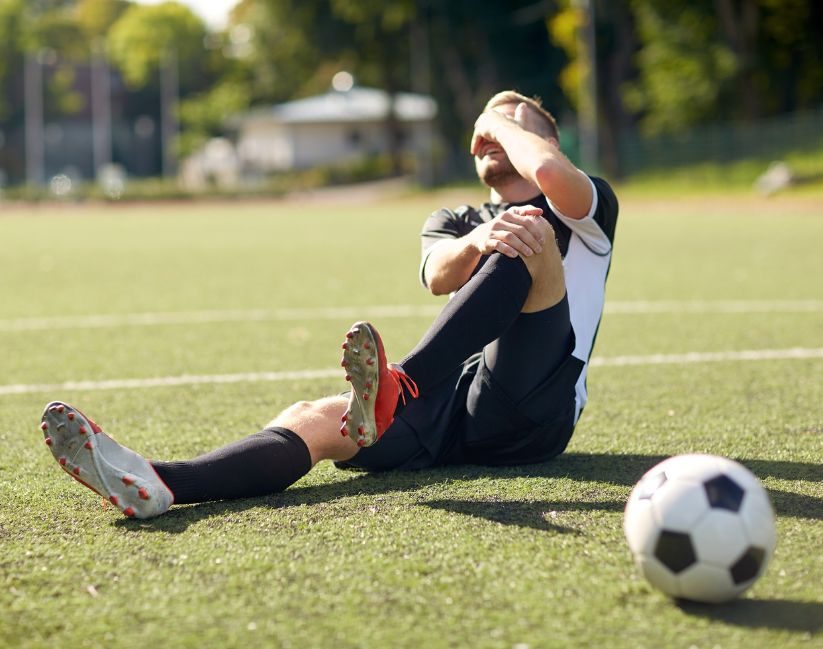
The wrist is one of the most versatile and frequently used joints in many sports, from tennis and golf to basketball and gymnastics. Its incredible range of motion and complex structure allow athletes to perform intricate movements, grips, and impacts. However, this versatility also makes the wrist vulnerable to a wide array of injuriessprains, strains, fractures, tendinitis, and morethat can sideline athletes and hamper their performance.
The good news? Sports-specific therapy is a proven way to prevent wrist injuries before they happen and keep athletes at the top of their game. This specialized form of physiotherapy targets the unique demands and risks of different sports, focusing on strengthening, mobility, and injury prevention strategies tailored to wrist health.
Lets explore how sports-specific therapy helps athletes prevent wrist injuries, enhance wrist function, and ensure longevity in their sports careers.
Why Wrist Injuries Are Common in Sports
Athletes use their wrists for various activities such as gripping, swinging, throwing, catching, and weight-bearing. This constant use, combined with high-impact or repetitive motions, increases the risk of injury.
Common wrist injuries in sports include:
Wrist Sprains: Stretching or tearing of ligaments due to sudden twists or falls.
Tendinitis: Inflammation of wrist tendons from repetitive overuse.
Carpal Tunnel Syndrome: Compression of the median nerve causing pain and numbness.
Fractures: Breaks in wrist bones from falls or collisions.
De Quervains Tenosynovitis: Painful inflammation affecting the thumb side of the wrist.
Each sport has specific wrist injury risksfor example, tennis players often develop tendinitis, while gymnasts are prone to wrist sprains and fractures due to weight-bearing maneuvers.
How Sports-Specific Therapy Prevents Wrist Injuries
1. Tailored Assessment for Your Sport
A sports-specific physiotherapist begins by analyzing the unique wrist demands of your sport. This includes examining wrist strength, flexibility, joint stability, and movement patterns during typical sport actions.
2. Strengthening and Conditioning
Building strength in the wrist and forearm muscles improves stability and shock absorption. Exercises focus on:
Wrist flexors and extensors
Forearm pronators and supinators
Grip strength and endurance
Stronger muscles help protect ligaments and joints during sudden impacts or repetitive stress.
3. Mobility and Flexibility Training
Maintaining optimal wrist range of motion is crucial. Therapy includes stretches and joint mobilizations to prevent stiffness and promote fluid movement.
4. Neuromuscular Control and Proprioception
Improving wrist proprioception (the bodys ability to sense joint position) reduces injury risk by enhancing reflexes and coordination during dynamic sport movements.
5. Sport-Specific Functional Drills
Therapy integrates drills that mimic your sports wrist movementssuch as swinging a racket, catching a ball, or pushing off the groundto prepare the wrist for real-world demands.
6. Injury Prevention Education
Athletes learn proper warm-up techniques, ergonomic grips, and strategies to avoid overuse, such as modifying training load and using protective gear.
Common Wrist Injury Prevention Exercises
Wrist curls and extensions with light weights or resistance bands
Forearm pronation and supination rotations
Grip strengthening with therapy putty or hand exercisers
Wrist circles and stretches to improve flexibility
Balance and proprioception exercises using wobble boards or ball tosses
When to Seek Sports-Specific Therapy for Your Wrist
Early intervention is key. If you experience wrist pain, stiffness, weakness, or numbness, dont ignore it. Sports-specific therapy can prevent minor issues from escalating into chronic injuries.
Also, consider therapy proactively if:
Youre starting a new sport or increasing training intensity
You have a history of wrist injuries
Your sport places heavy demands on the wrist (e.g., racket sports, gymnastics, climbing)
Why Choose YourFormsUX for Wrist Injury Prevention?
At YourFormsUX, we understand the intricate demands sports place on your wrists. Our expert physiotherapists develop personalized programs tailored to your sport, goals, and injury history.
Serving athletes across Canada, we combine hands-on therapy, cutting-edge assessment, and evidence-based exercise to keep your wrists strong, flexible, and injury-resistant.
Final Thoughts
Wrist injuries can be debilitating, but they dont have to derail your athletic progress. Sports-specific therapy offers a focused, effective approach to protecting your wrists by strengthening, mobilizing, and preparing them for the unique challenges of your sport.
Whether youre a tennis player battling tendinitis or a gymnast wanting to prevent sprains, investing in targeted wrist therapy can make all the difference in your performance and longevity.
Take control of your wrist health today with expert guidance from YourFormsUX and keep playing strong.