Sports-Specific Therapy for Recovery from Concussions in Athletes explores targeted strategies for recovery. Discover new paths to mobility, healing, and personalized care.

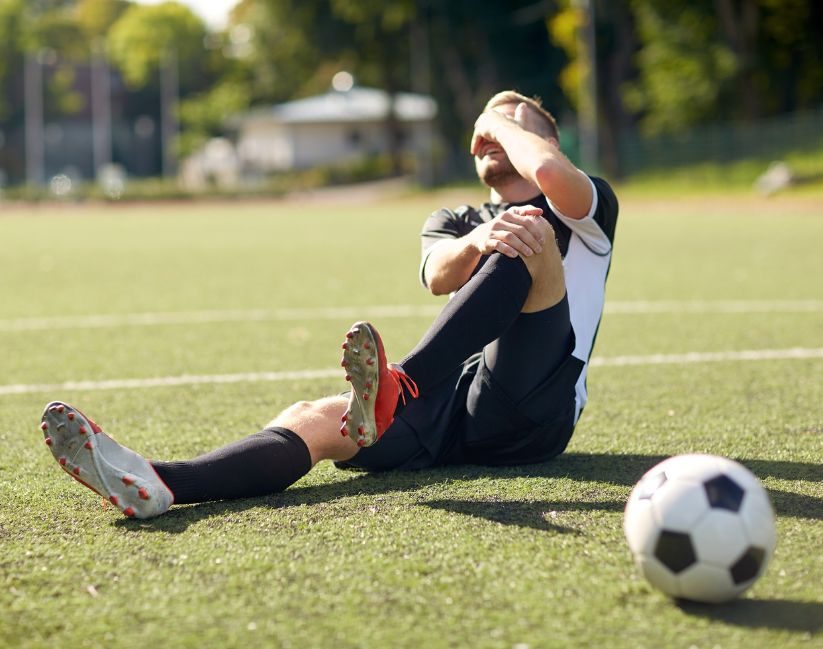
Concussions are among the most serious and complex injuries athletes can face, especially in contact sports like football, hockey, rugby, and soccer. These mild traumatic brain injuries can have wide-ranging effects on cognitive function, balance, coordination, and overall neurological health. Rapid and proper recovery is crucialnot only to return to play but to protect long-term brain health.
Sports-specific physiotherapy has become an essential part of concussion management and rehabilitation. It offers tailored interventions to address the unique challenges concussed athletes face, helping them safely regain function, prevent further injury, and improve performance post-recovery.
In this comprehensive blog, we will explore how sports-specific therapy supports concussion recovery, what interventions are used, and why specialized care matters for athletes.
Understanding Concussions and Their Impact on Athletes
A concussion occurs when a blow to the head or body causes the brain to move rapidly inside the skull, disrupting normal brain function. Symptoms can be physical (headache, dizziness), cognitive (difficulty concentrating), emotional (irritability), and sensory (light sensitivity).
For athletes, concussions can affect:
Balance and coordination
Reaction time
Visual tracking
Memory and focus
Overall neurological health
Proper management requires careful assessment and a gradual, monitored return to activity.
Why Sports-Specific Physiotherapy Is Vital for Concussion Recovery
Traditional concussion care often focused solely on rest. While rest is important, emerging research shows that controlled, progressive rehabilitation helps accelerate recovery and reduce symptoms.
Sports-specific physiotherapy addresses the athletes unique needs by:
Incorporating sport-related movement and cognitive tasks in therapy
Assessing and treating vestibular and balance dysfunction common after concussions
Tailoring programs to safely return athletes to the demands of their sport
Providing education on symptom management and injury prevention
Key Components of Sports-Specific Therapy for Concussion
Comprehensive Assessment
Physiotherapists evaluate balance, vestibular function, eye movements, coordination, and cognitive function. This detailed assessment guides a personalized treatment plan.
Vestibular Rehabilitation
Since concussions often disrupt the vestibular system (inner ear balance), therapy includes exercises to recalibrate balance and reduce dizziness.
Oculomotor Training
Exercises targeting eye movements improve visual tracking and coordination, crucial for sports requiring rapid head and eye shifts.
Neuromuscular Re-education
Balance and proprioception exercises restore motor control and spatial awareness.
Gradual Return-to-Activity Protocols
Therapy progresses from low-impact aerobic exercises to sport-specific drills, ensuring the brain and body adapt safely.
Cognitive and Physical Dual-Task Training
Simultaneous cognitive and physical tasks mimic game situations, helping athletes regain multitasking abilities critical for performance.
Benefits of Sports-Specific Therapy in Concussion Management
Accelerates symptom resolution and functional recovery
Reduces risk of prolonged post-concussion syndrome
Improves balance, coordination, and visual function
Supports safe and confident return to sport
Enhances long-term neurological health and injury prevention
Preventing Re-Injury Post-Concussion
Athletes returning to play after concussion face a heightened risk of subsequent injury due to impaired neuromuscular control and reaction time. Sports-specific therapy reduces this risk by retraining the body and brain to respond accurately and quickly during competition.
Real-World Athlete Experiences
Many professional and amateur athletes have benefited from sports-specific concussion therapy. For example, a hockey player experiencing prolonged dizziness and balance issues regained full game-readiness after targeted vestibular and neuromuscular rehab. Similarly, a football player improved cognitive-motor integration through dual-task training, leading to a safe return without symptom recurrence.
Integrating Sports-Specific Physiotherapy into Concussion Protocols
Physiotherapists work closely with sports medicine doctors, athletic trainers, and coaches to create comprehensive concussion management plans. This multidisciplinary approach ensures that therapy aligns with medical guidelines and sport-specific demands.
Final Thoughts
Concussions are complex injuries requiring nuanced, individualized care. Sports-specific physiotherapy offers a targeted, evidence-based approach to help athletes recover fully, reduce complications, and safely return to their sport. Early intervention and specialized rehab are key to protecting both short-term performance and long-term brain health.
If you or an athlete you know is dealing with concussion symptoms, consulting a physiotherapist with sports-specific expertise can make a critical difference in recovery outcomes.