Sports-Specific Therapy for Recovery from Torn Ligaments in Athletes explores targeted strategies for recovery. Discover new paths to mobility, healing, and personalized care.

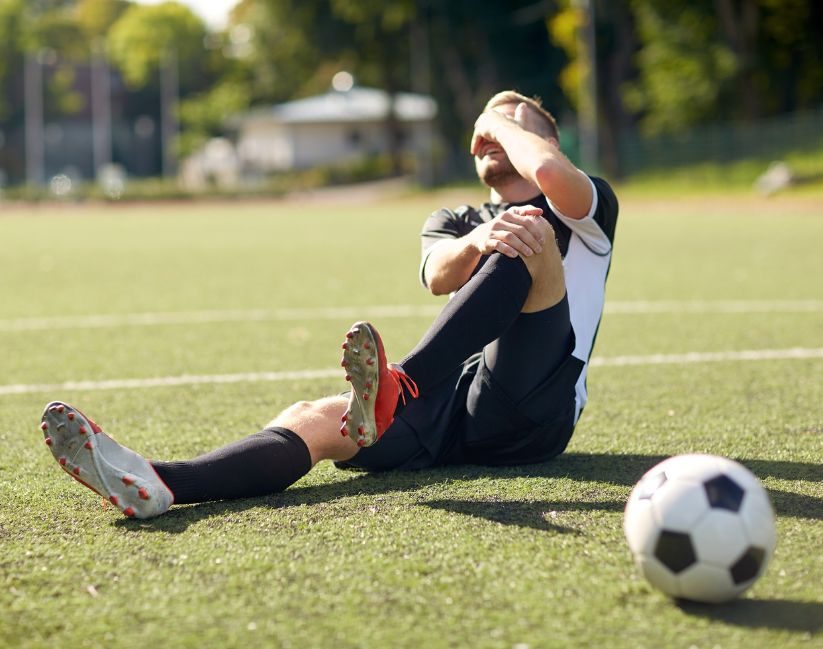
Torn ligaments are among the most challenging injuries athletes face. Whether it’s the infamous ACL in soccer players, the UCL in baseball pitchers, or ankle ligaments in basketball athletes, these injuries can be debilitating and career-altering. Recovering fully requires more than just restit demands a comprehensive, tailored approach like sports-specific therapy to regain strength, mobility, and confidence.
In this blog, well dive deep into how sports-specific therapy accelerates recovery from torn ligaments, the stages of healing, and why personalized care is crucial for athletes aiming to return stronger.
Understanding Torn Ligaments and Their Impact on Athletes
Ligaments are tough bands of connective tissue that link bones together, providing joint stability. When ligaments are torn, whether partially or completely, the joint becomes unstable, and the athlete experiences pain, swelling, and decreased function.
Common ligament injuries in sports include:
Anterior Cruciate Ligament (ACL) tears in soccer, skiing, and basketball
Ulnar Collateral Ligament (UCL) tears in baseball pitchers and throwers
Medial Collateral Ligament (MCL) injuries in football and rugby
Ankle ligament sprains and tears in running and court sports
Recovery is complex because ligaments have limited blood supply, making natural healing slower. In many cases, surgery is required, but regardless of surgical intervention, the rehabilitation journey is where sports-specific therapy shines.
What Is Sports-Specific Therapy for Ligament Recovery?
Sports-specific therapy tailors rehabilitation to the athletes sport, position, and level of competition. It integrates knowledge of how the injured ligament functions during specific movements and progressively retrains the joint to handle sport-related stresses.
Unlike standard physiotherapy, this approach involves:
Focused strength and flexibility training targeting surrounding muscles that support the injured ligament.
Movement patterns that mimic sport-specific actions to ensure the joint adapts properly.
Strategies to prevent compensatory injuries that often arise from altered biomechanics during recovery.
The Stages of Ligament Injury Recovery and Therapy Focus
Acute Phase (First few days to weeks post-injury or surgery):
The focus is on reducing swelling, managing pain, and protecting the injured ligament. Gentle range-of-motion exercises are introduced to prevent stiffness while avoiding undue stress.
Sub-Acute Phase (Weeks 2 to 6):
Gradual introduction of strengthening exercises for muscles around the joint, like the quadriceps and hamstrings for knee injuries. Sports-specific therapy starts incorporating low-impact functional movements related to the athletes sport.
Rehabilitation Phase (6 weeks to 3 months):
This phase emphasizes restoring full joint mobility and muscle strength. Functional training intensifies, focusing on sport-specific drills that simulate running, cutting, throwing, or jumping, depending on the athletes discipline.
Return to Sport Phase (3 months and beyond):
Athletes undergo advanced plyometric, agility, and proprioception training designed to restore confidence and performance levels. Psychological readiness is also assessed here to ensure a safe return to competition.
Key Components of Sports-Specific Therapy for Torn Ligament Recovery
1. Strengthening Supportive Muscles
Muscle groups surrounding the injured ligament play a critical role in joint stabilization. For example, after an ACL tear, strengthening the quadriceps, hamstrings, and gluteal muscles is essential to offload stress from the healing ligament and restore knee stability.
2. Proprioception and Balance Training
Ligament injuries often impair proprioceptionthe bodys ability to sense joint position. Sports-specific therapy incorporates balance exercises, stability drills, and neuromuscular training to retrain the brain and muscles to react quickly during sport activities.
3. Functional Movement Re-education
Athletes relearn proper biomechanics through sport-specific drills. This might include cutting maneuvers for soccer players or throwing mechanics for pitchers, designed to prevent abnormal stresses on the healing ligament.
4. Gradual Return to Load
Therapists carefully increase the intensity and volume of training to prevent re-injury. This progression is customized to the athletes healing timeline, pain levels, and sport demands.
Why Sports-Specific Therapy Is Essential for Long-Term Success
Generic rehab programs often miss the mark for athletes because they dont account for the unique demands of different sports. A runner, for instance, requires different functional training compared to a hockey player, even if both suffered knee ligament injuries.
Sports-specific therapy offers:
Personalization: Customized to the athletes sport, position, and injury severity.
Injury Prevention: Focuses not just on healing but on correcting biomechanical flaws to prevent future ligament tears.
Performance Optimization: Helps athletes regain and even improve pre-injury performance levels by retraining sport-specific skills.
Psychological Support: Builds confidence and mental readiness, reducing the fear of re-injury.
Real-Life Example: ACL Recovery in Soccer Players
An ACL tear is one of the most feared injuries in soccer due to its impact on pivoting and cutting movements. A sports-specific therapy program for ACL recovery in soccer players would emphasize:
Quadriceps and hamstring strengthening to support the knee joint.
Balance and agility drills replicating rapid direction changes on the field.
Plyometric training focusing on landing mechanics to reduce stress on the knee.
Sport-specific conditioning to rebuild endurance and explosiveness.
This targeted approach ensures the athlete not only heals but returns ready for the high demands of competitive soccer.
How Your Forms UX (YFS) Supports Athletes Through Ligament Recovery
At Your Forms UX (YFS) in Canada, we specialize in creating individualized sports-specific therapy programs for ligament injuries. Our expert physiotherapists combine clinical expertise with cutting-edge rehab techniques to guide athletes safely through every recovery phase.
We understand the frustration and challenges that come with ligament injuries. Our goal is to support you with:
Detailed assessments and personalized treatment plans.
Hands-on manual therapy to reduce pain and improve mobility.
Sport-specific exercises tailored to your unique goals.
Continuous progress monitoring to adjust therapy as needed.
With YFS, athletes get the comprehensive care needed to recover fully and get back in the game stronger and more resilient.