Sports-Specific Therapy for Strengthening the Knees in Football and Basketball Players explores targeted strategies for recovery. Discover new paths to mobility, healing, and personalized care.

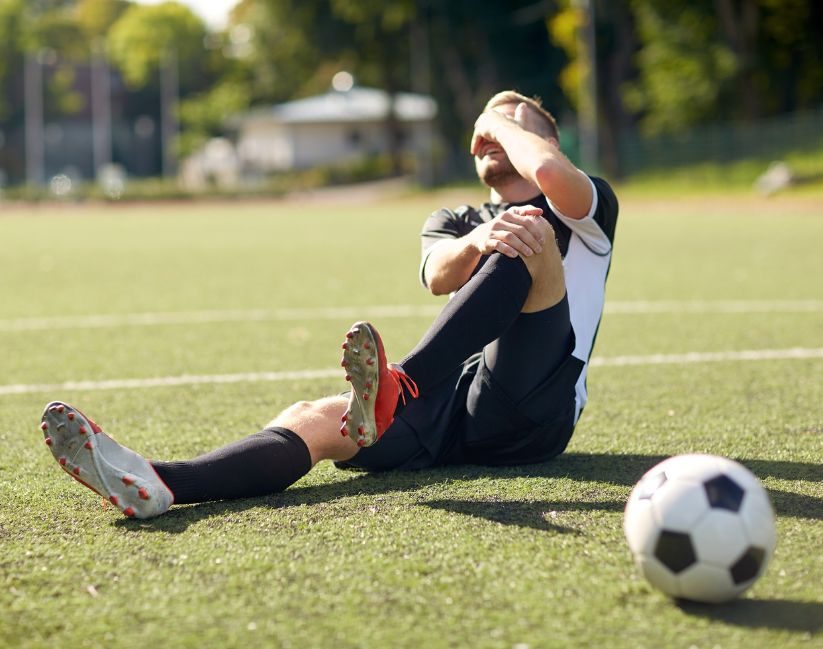
Knee injuries are some of the most feared in high-impact sports like football and basketball. Both sports involve rapid changes of direction, jumping, and frequent contactall of which place immense stress on the knee joint. For players, strong and stable knees are critical not only for peak performance but also for injury prevention. Sports-specific therapy offers an effective way to strengthen the knees by targeting the unique demands of football and basketball athletes.
Why Knee Strength Matters in Football and Basketball
The knee is a complex joint that relies on muscles, ligaments, and tendons to maintain stability and absorb shock. Common knee injuries in these sports include anterior cruciate ligament (ACL) tears, meniscus injuries, and patellar tendonitis. Weakness or imbalance in the muscles around the knee, especially the quadriceps, hamstrings, and hip stabilizers, can increase injury risk.
Strong knees help players:
Improve explosive power and agility
Enhance balance during cutting and pivoting
Absorb landing forces safely
Reduce the likelihood of ligament sprains and cartilage damage
How Sports-Specific Therapy Targets Knee Strengthening
Comprehensive Assessment
Physiotherapists begin with a thorough evaluation of knee function, muscle strength, flexibility, and movement patterns. Identifying weaknesses or compensations helps tailor a program specifically for football or basketball players.
Muscle Strengthening Exercises
Programs focus on strengthening the quadriceps, hamstrings, glutes, and calves. Eccentric exerciseswhere muscles lengthen under tensionare particularly effective for building tendon strength and knee stability.
Neuromuscular Training
Improving the communication between nerves and muscles enhances joint stability and reaction times. Balance boards, agility ladders, and plyometric drills are incorporated to simulate sports-specific movements.
Movement Re-education and Biomechanical Correction
Therapists analyze running, jumping, and landing mechanics to correct faults that increase knee strain. For example, teaching athletes to avoid inward knee collapse (valgus) during cutting reduces ACL injury risk.
Functional Sport-Specific Drills
Later stages of therapy include drills that replicate game scenariosjump stops, quick direction changes, and lateral movementsto prepare the knee for real competitive demands.
Injury Prevention Strategies
Education on proper warm-up routines, cool-down stretches, and appropriate footwear helps maintain knee health long-term.
Football vs. Basketball: Similarities and Differences in Knee Therapy
While both sports require strong knees, their movement demands differ:
Football: Emphasizes explosive sprints, tackles, and multidirectional cuts. Therapy often prioritizes hip strength and rotational stability to protect the knees during physical contact.
Basketball: Involves constant jumping, sudden stops, and quick lateral movements. Therapy focuses on plyometric training and landing mechanics to reduce impact forces on the knees.
The Benefits of Sports-Specific Knee Therapy
Enhanced Performance: Strong knees improve speed, power, and agility on the field or court.
Reduced Injury Risk: Targeted muscle strengthening and movement correction decrease common knee injuries.
Faster Recovery: If injuries occur, preconditioning through therapy accelerates healing.
Longevity: Maintaining knee health prolongs athletic careers and quality of life.
Case Study: A Basketball Player Recovering from ACL Reconstruction
Following ACL surgery, a basketball player undergoes a sports-specific therapy program that progresses from gentle range-of-motion exercises to dynamic agility drills. Therapy focuses on restoring quadriceps strength, correcting jump-landing technique, and gradually reintroducing sport-specific skills. This approach ensures a safe and effective return to competitive play.
Conclusion
Knee strength is fundamental for football and basketball players aiming to perform at their best and stay injury-free. Sports-specific therapy provides a comprehensive, targeted approach that not only rebuilds strength but also improves movement quality and resilience. If youre an athlete looking to protect your knees or recover from injury, incorporating sports-specific therapy can make all the difference in your game and your long-term joint health.