The pelvic floor muscles are integral to a womans health, supporting essential bodily functions and contributing to overall well-being. Strengthening these muscles is crucial to prevent and manage a variety of pelvic health issues that affect women at different stages of life.

The pelvic floor muscles are integral to a womans health, supporting essential bodily functions and contributing to overall well-being. Strengthening these muscles is crucial to prevent and manage a variety of pelvic health issues that affect women at different stages of life. This blog explores how targeted pelvic floor muscle strengthening can improve health and function, along with practical advice on incorporating these exercises into daily routines.
The Importance of Pelvic Floor Muscle Strength
Pelvic floor muscles act as a supportive sling for the bladder, uterus, vagina, and rectum. They also play a critical role in controlling urinary and bowel functions and contribute to sexual health. When these muscles weakendue to factors like childbirth, aging, surgery, or lifestylewomen may experience urinary incontinence, pelvic organ prolapse, pelvic pain, or sexual dysfunction.
Strengthening pelvic floor muscles helps restore support to pelvic organs, enhances muscle control, and reduces symptoms associated with pelvic floor dysfunction. This improved muscle function is not only beneficial physically but also contributes to emotional well-being by increasing confidence and reducing anxiety around pelvic health problems.
Benefits of Strong Pelvic Floor Muscles
Improved Bladder and Bowel Control
Strong pelvic floor muscles enhance control over urinary and bowel functions, significantly reducing the risk of incontinence and urgency.
Prevention and Management of Pelvic Organ Prolapse
Strengthening these muscles helps maintain proper pelvic organ positioning, preventing prolapse and associated discomfort.
Enhanced Sexual Function
Toned pelvic muscles can improve sexual sensation, lubrication, and orgasmic response, contributing to a healthier intimate life.
Support During Pregnancy and Recovery
A strong pelvic floor can better handle the added strain of pregnancy and facilitate smoother postpartum recovery.
Better Core Stability and Posture
Pelvic floor muscles work synergistically with abdominal and back muscles, promoting core stability, which supports better posture and reduces lower back pain.
Effective Exercises to Strengthen Pelvic Floor Muscles
Pelvic floor muscle training (PFMT) is the most effective method for strengthening these muscles. Some key exercises include:
Kegel Exercises:
Contract and lift the pelvic floor muscles, hold for a count of 5 to 10 seconds, then relax. Repeat 10-15 times per session, three times a day.
Quick Flicks:
Rapidly contract and relax the pelvic floor muscles to improve muscle responsiveness.
Bridging:
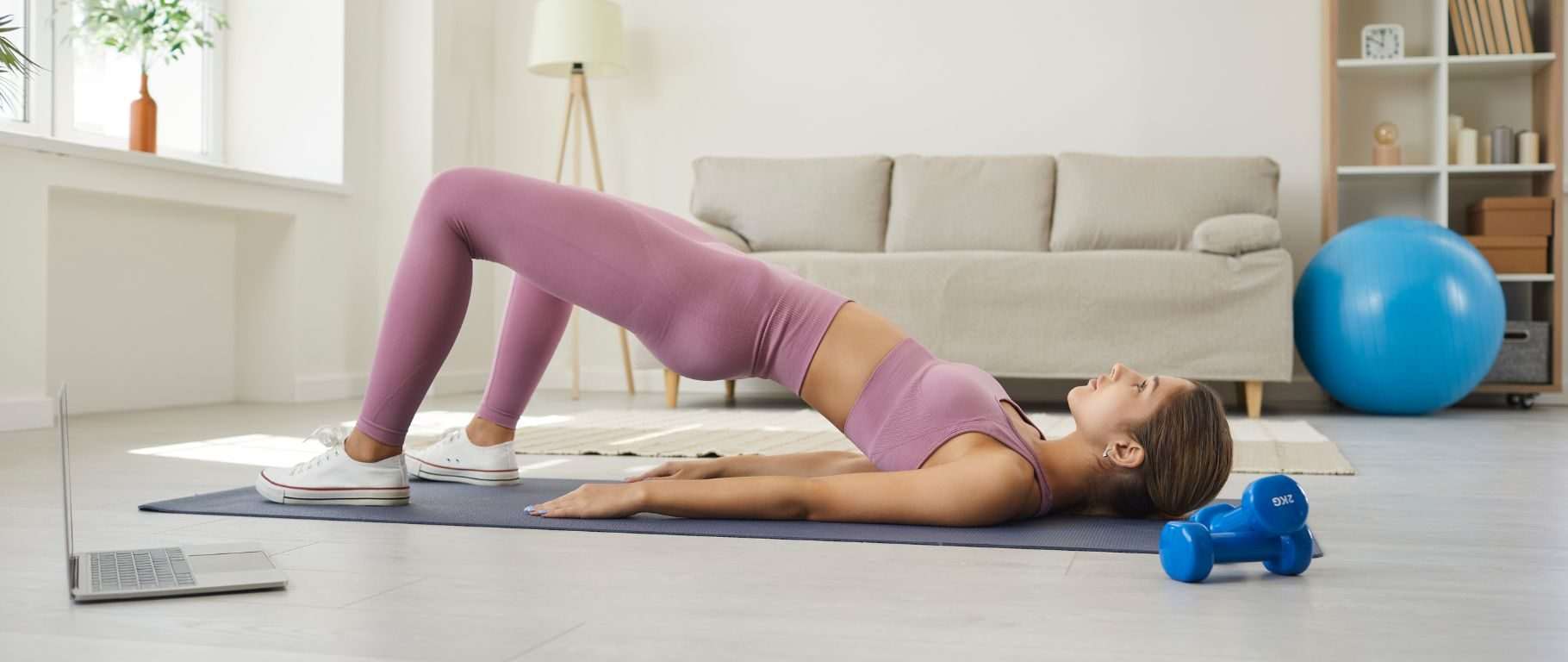
Lie on your back with knees bent, lift your hips off the ground while engaging pelvic floor muscles to strengthen core and glute muscles together.
Squats:
Squats activate the pelvic floor as you lower and raise your body, enhancing strength and endurance.
Tips for Maximizing Pelvic Floor Muscle Strengthening
Correct Technique is Vital:
Ensure you are engaging the right muscles. Avoid tightening abdominal, thigh, or buttock muscles during exercises.
Consistency is Key:
Regular practice, ideally daily, yields the best results.
Gradual Progression:
Increase the duration and repetitions as your muscle strength improves.
Seek Professional Guidance:
Pelvic health physiotherapists can assess muscle function and customize exercises for optimal results.
Integrating Pelvic Floor Strengthening into Everyday Life
Incorporate pelvic floor exercises seamlessly throughout the dayin traffic, during breaks, or while watching TV. Using reminders or apps can help maintain a routine. Additionally, pairing pelvic floor exercises with general fitness activities like yoga or Pilates can further enhance pelvic muscle health.
When to Consult a Physiotherapist
If you experience symptoms such as urinary leakage, pelvic discomfort, or a feeling of heaviness, consulting a pelvic health physiotherapist is advisable. They provide specialized assessments and tailored therapy plans to address individual needs and challenges.
Conclusion
Strengthening pelvic floor muscles is essential for maintaining pelvic organ support, improving continence, enhancing sexual health, and supporting overall core stability. Through consistent and correct pelvic floor muscle training, women can significantly improve their pelvic health and quality of life. For women in Canada, physiotherapy provides expert guidance and personalized treatment plans to ensure effective pelvic floor muscle strengthening and long-term pelvic wellness.