Strengthening the Core for Better Spinal Function and Health explores targeted strategies for recovery. Discover new paths to mobility, healing, and personalized care.

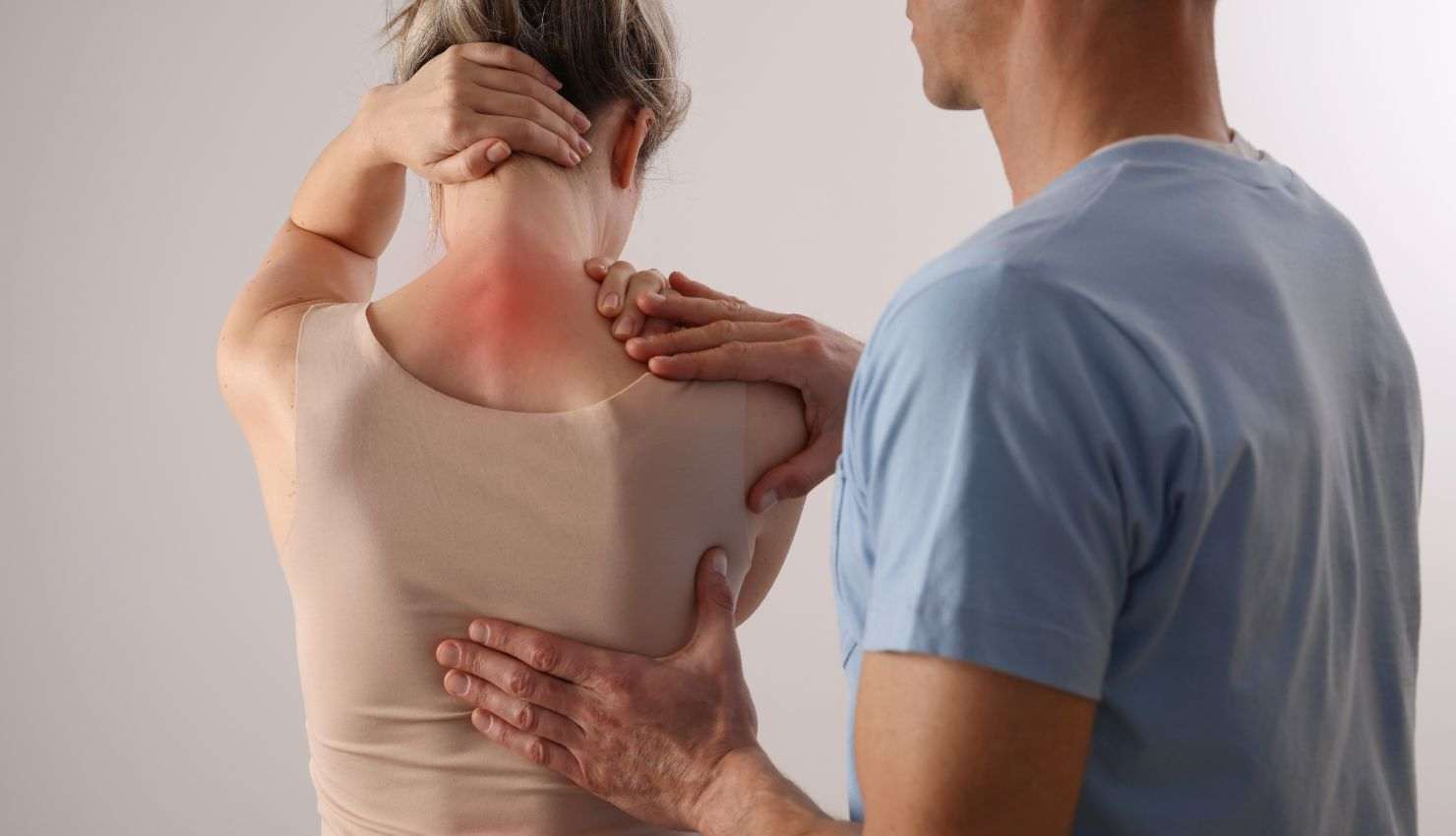
When it comes to maintaining a healthy spine, strengthening your core isnt just a good idea its essential. The core muscles, which include your abdominals, obliques, lower back, and pelvic muscles, act as the foundation for your entire body. They support your spine and help you maintain balance, posture, and overall spinal function. In this blog, well dive into why core strength is crucial for spinal health and how you can start strengthening your core to protect your spine.
Why is Core Strength Important for Your Spine?
Your spine is the central support structure of your body, responsible for bearing your weight and enabling movement. Without a strong core, your spine is left vulnerable to stress, injury, and pain. Core muscles act as a natural brace for your spine, helping distribute forces more evenly when you move, lift, or even just sit.
Weak core muscles can lead to poor posture, which puts undue pressure on spinal discs and joints. Over time, this can contribute to chronic back pain, spinal misalignment, and decreased mobility. Strengthening your core helps stabilize the spine, reduces the risk of injury, and improves your overall functional movement.
The Connection Between Core Strength and Spinal Function
Spinal function depends heavily on how well your core muscles can support and stabilize the vertebrae. A strong core helps:
Maintain proper alignment of the spine
Reduce excessive movement that can cause wear and tear
Improve shock absorption during physical activities
Enhance balance and coordination
Support efficient breathing mechanics, which also affects spinal health
When your core is weak, your spine takes on more load than its designed to handle, leading to problems like herniated discs, muscle strains, and nerve irritation.
Key Core Muscles that Support Spinal Health
Its important to understand the muscles you want to focus on:
Transverse Abdominis: The deepest abdominal muscle that acts like a corset to stabilize your spine.
Multifidus: Small muscles along your spine that help with segmental stability.
Pelvic Floor Muscles: Support your pelvis and lower spine.
Diaphragm: Plays a role in core stability through breathing mechanics.
Rectus Abdominis & Obliques: Superficial muscles that help with movement and stability.
A comprehensive core strengthening program targets all these muscles to ensure balanced support around your spine.
How to Strengthen Your Core for Better Spinal Health
You dont have to be an athlete or fitness buff to improve your core strength. Many physiotherapy clinics, like YourFormsUX in Canada, emphasize personalized core rehabilitation programs that focus on gradual strengthening while considering your spinal health.
Here are some beginner-friendly exercises to get started:
Pelvic Tilts: Lie on your back with knees bent. Gently tilt your pelvis to flatten your lower back against the floor, engaging your core muscles.
Bridges: Lie on your back, lift your hips while keeping your core engaged, then slowly lower.
Bird Dog: On hands and knees, extend one arm and the opposite leg while keeping your core tight.
Planks: Hold your body straight from head to heels, engaging your abs and back muscles.
Consistency is key. Over time, increase the difficulty and duration of these exercises under professional guidance.
The Role of Physiotherapy in Core and Spinal Strengthening
Physiotherapists are experts in evaluating your spinal health and designing customized core strengthening programs. They consider any existing spinal conditions such as scoliosis, herniated discs, or chronic back pain and tailor exercises accordingly.
YourFormsUX offers advanced physiotherapy services across Canada, combining manual therapy, exercise prescription, and education to help patients build a stronger core and healthier spine. Their approach ensures you perform the right exercises safely and effectively, minimizing risk and maximizing benefits.
Lifestyle Habits to Support Core and Spinal Health
Beyond exercise, certain daily habits can either support or undermine your spinal health:
Maintain good posture when sitting, standing, and moving.
Take frequent breaks from prolonged sitting to stretch and move.
Use ergonomic furniture to support natural spinal curves.
Avoid heavy lifting without proper technique.
Stay active with regular physical activity to keep muscles engaged.
Conclusion
Strengthening your core is one of the best investments you can make for your spinal function and long-term health. A strong, stable core supports your spine, reduces pain, and enhances mobility, allowing you to live an active, pain-free life. Whether youre recovering from an injury or looking to prevent future problems, physiotherapy combined with targeted core exercises can transform your spinal health.
Remember, its never too late to start strengthening your core. If youre in Canada and want expert guidance, reach out to YourFormsUX for personalized spinal rehab and core strengthening programs designed to keep your back strong and healthy.