The pelvic floor is a crucial group of muscles that support the bladder, uterus, and bowel. Strengthening your pelvic floor is essential not only for womens health but for overall wellness and quality of life.

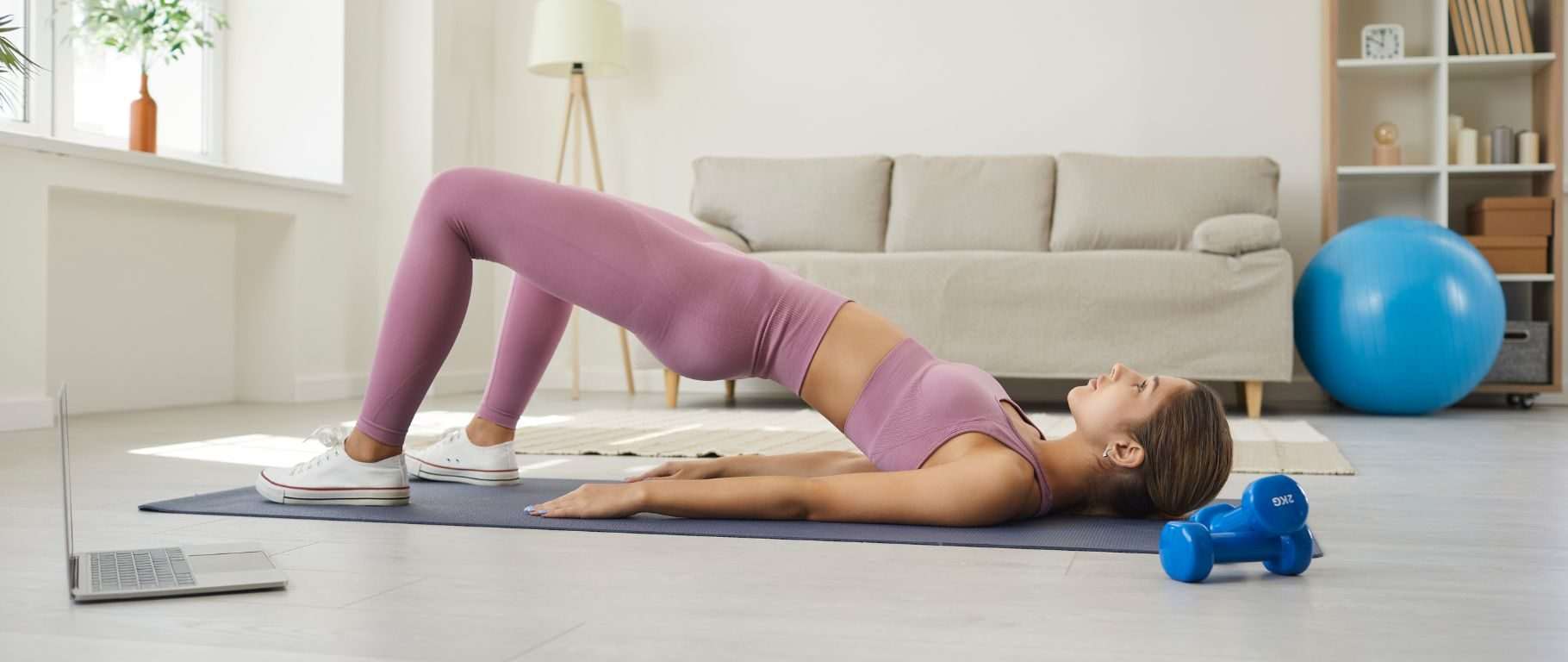
The pelvic floor is a crucial group of muscles that support the bladder, uterus, and bowel. Strengthening your pelvic floor is essential not only for womens health but for overall wellness and quality of life. Pelvic floor health often goes overlooked, yet it plays a vital role in continence, core stability, sexual function, and posture. At YourFormSux (YFS) in Canada, we focus on empowering women with knowledge and physiotherapy techniques to build a strong, healthy pelvic floor.
Understanding the Pelvic Floor
The pelvic floor muscles form a hammock-like structure at the base of the pelvis, supporting pelvic organs and controlling the opening and closing of the urethra, vagina, and anus. Weak or damaged pelvic floor muscles can lead to incontinence, pelvic organ prolapse, and discomfort. Factors like pregnancy, childbirth, aging, menopause, and lifestyle habits can weaken these muscles.
Strengthening these muscles can prevent and manage many pelvic health problems, improve physical function, and enhance quality of life.
Benefits of a Strong Pelvic Floor
A strong pelvic floor contributes to:
Improved Bladder and Bowel Control: Reduces the risk of urinary and fecal incontinence.
Enhanced Sexual Health: Increases sensation and reduces pain during intercourse.
Better Posture and Core Stability: Supports the spine and helps with overall body alignment.
Prevention of Pelvic Organ Prolapse: Helps maintain pelvic organ position and function.
Improved Physical Activity: Supports exercise and reduces risk of injury.
Signs You May Need Pelvic Floor Strengthening
Common symptoms indicating weak pelvic floor muscles include:
Leakage of urine during coughing, sneezing, or exercise.
Difficulty controlling bowel movements.
Feeling of heaviness or pressure in the pelvic area.
Pain or discomfort in the pelvic region.
Reduced sexual satisfaction or pain during intercourse.
If you experience these signs, strengthening your pelvic floor can significantly improve your health.
How to Strengthen Your Pelvic Floor
Pelvic floor exercises, often called Kegel exercises, are the cornerstone of strengthening these muscles. However, proper technique is essential for effectiveness. Incorrect exercises can worsen symptoms or cause strain.
Here are key approaches:
Identifying the Right Muscles: Imagine stopping urine midstream or holding in gas. These actions engage your pelvic floor.
Consistent Exercise Routine: Aim for 3 sets of 10 slow contractions daily, holding each for 5 to 10 seconds, followed by equal rest.
Integrating Quick Contractions: Include quick squeezes to train fast muscle fibers.
Avoiding Overuse: Rest is critical to avoid muscle fatigue.
Breathing Properly: Do not hold your breath while exercising.
The Role of Physiotherapy
While many women try pelvic floor exercises independently, consulting a physiotherapist ensures correct muscle engagement and personalized treatment. At YFS, our pelvic health physiotherapists provide:
Assessment: Using specialized techniques to evaluate muscle strength, coordination, and tension.
Guided Exercise Plans: Tailored routines that fit individual health status and lifestyle.
Biofeedback and Electrical Stimulation: Tools that help patients visualize and activate muscles more effectively.
Education: Advice on posture, breathing, and lifestyle factors affecting pelvic health.
Support for Specific Conditions: Such as postpartum recovery, pelvic pain, and prolapse.
Lifestyle Tips for Pelvic Floor Health
Beyond exercises, certain lifestyle habits promote pelvic floor wellness:
Maintain a Healthy Weight: Excess weight increases pressure on pelvic muscles.
Avoid Heavy Lifting: Use proper techniques to protect your pelvic floor.
Manage Constipation: High-fiber diet and hydration prevent straining.
Stay Active: Regular moderate exercise supports muscle tone.
Quit Smoking: Smoking can lead to chronic coughing that stresses pelvic muscles.
When to Seek Professional Help
If pelvic floor weakness impacts daily life or causes persistent symptoms, a pelvic health physiotherapist can make a significant difference. Early intervention can prevent worsening and improve outcomes.
At YourFormSux (YFS) in Canada, our expert physiotherapists specialize in pelvic floor rehabilitation. We provide compassionate, evidence-based care to help women regain strength, comfort, and confidence.
Conclusion
Strengthening your pelvic floor is a vital step toward better health and wellness. Whether preventing problems or managing existing symptoms, pelvic floor exercises combined with physiotherapy guidance can lead to improved bladder control, reduced pain, and enhanced quality of life. Prioritize your pelvic health today with professional support from YFS and experience the benefits of a strong pelvic foundation.