Strengthening Your Pelvic Floor to Support Hormonal Health with Physiotherapy explores targeted strategies for recovery. Discover new paths to mobility, healing, and personalized care.

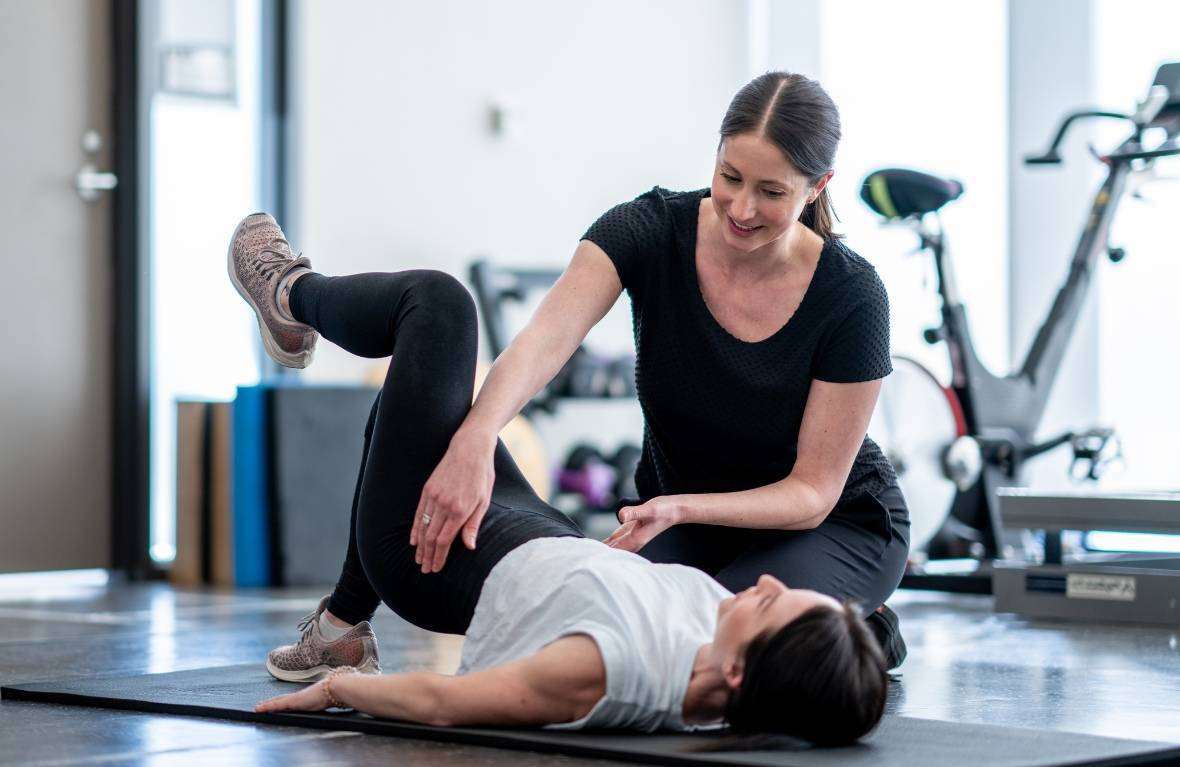
When it comes to hormonal health, many people overlook the vital role of the pelvic floor. This group of muscles supports your bladder, uterus, and bowel, and is deeply connected to your hormonal well-beingespecially for women. Physiotherapy offers an effective way to strengthen your pelvic floor, helping you maintain hormonal balance, improve physical function, and enhance overall quality of life.
Why the Pelvic Floor Matters for Hormonal Health
Hormones, particularly estrogen and progesterone, have a direct impact on the strength and elasticity of pelvic floor muscles. Fluctuations during menstrual cycles, pregnancy, postpartum, and menopause can weaken these muscles, leading to issues such as urinary incontinence, pelvic pain, or pelvic organ prolapse.
A strong pelvic floor helps:
Support reproductive organs during hormonal shifts
Maintain bladder and bowel control
Improve sexual health and sensation
Enhance core stability and posture
Ignoring pelvic floor health during hormonal changes can lead to discomfort, decreased confidence, and a diminished quality of life.
How Physiotherapy Supports Pelvic Floor Strengthening
Physiotherapists specializing in pelvic health use targeted techniques to assess, rehabilitate, and strengthen these muscles. Heres how physiotherapy can help:
1. Comprehensive Assessment:
A physiotherapist conducts a detailed evaluation of your pelvic floor function, muscle strength, and coordination, identifying weaknesses or dysfunctions related to hormonal changes.
2. Tailored Exercise Programs:
Custom pelvic floor exercises (often called Kegels) are designed to improve muscle tone and endurance. Physiotherapists ensure you perform these exercises correctly to maximize benefit and avoid strain.
3. Biofeedback and Electrical Stimulation:
For those struggling to engage pelvic floor muscles, physiotherapists use biofeedback devices that provide visual or auditory cues. Electrical stimulation may also be used to activate and strengthen weak muscles safely.
4. Education and Lifestyle Advice:
Physiotherapists educate you on habits that support pelvic floor health, such as proper posture, bladder training, and avoiding activities that increase pressure on the pelvic floor.
5. Support During Hormonal Transitions:
Physiotherapy programs can be adapted for pregnancy, postpartum recovery, and menopause, addressing the unique pelvic floor challenges during these phases.
Benefits of Pelvic Floor Physiotherapy for Hormonal Health
Improved Hormonal Symptom Management: Strengthening pelvic muscles can alleviate symptoms like pelvic pain and urinary leakage that often worsen with hormonal shifts.
Enhanced Physical Function: A stable pelvic floor supports better movement and core strength, reducing the risk of injury.
Boosted Confidence: Regaining control over pelvic health improves mental well-being and self-esteem.
Practical Tips for Pelvic Floor Care
Practice pelvic floor exercises regularly, as guided by your physiotherapist.
Avoid heavy lifting or straining that can weaken the pelvic floor.
Stay hydrated and maintain a balanced diet to prevent constipation, which can stress pelvic muscles.
Incorporate relaxation techniques to reduce pelvic tension, especially during hormonal fluctuations.
Why Choose YFS for Pelvic Floor Physiotherapy?
At YourFormsUX (YFS) in Canada, we understand the intimate connection between hormonal health and pelvic floor function. Our expert physiotherapists provide compassionate, confidential care tailored to your needs, helping you strengthen your pelvic floor and support hormonal balance throughout all life stages.