Maintaining a healthy pelvic floor is crucial for womens overall wellness. The pelvic floor muscles support the bladder, bowel, and uterus, help control continence, and play a key role in posture and core stability.

Maintaining a healthy pelvic floor is crucial for womens overall wellness. The pelvic floor muscles support the bladder, bowel, and uterus, help control continence, and play a key role in posture and core stability. When these muscles become weak or uncoordinateddue to pregnancy, childbirth, aging, or sedentary lifestyleswomen may experience discomfort, pain, or urinary incontinence. Fortunately, strengthening your pelvic floor doesnt require complex equipment or lengthy routines. Simple, consistent exercises can restore muscle function and prevent future complications.
Understanding the Importance of Pelvic Floor Strength
The pelvic floor acts like a supportive sling, running from the pubic bone to the tailbone. These muscles contract and relax to manage pressure from the abdomen and support pelvic organs. Weakness in this area can result in leaking urine when coughing or sneezing, feeling heaviness in the pelvis, or experiencing pain during movement or intimacy.
Strengthening these muscles improves bladder control, enhances sexual function, reduces pelvic pain, and supports overall core strength. Even without noticeable symptoms, women can benefit from proactive pelvic floor training throughout all stages of lifefrom early adulthood to post-menopause.
Identifying the Right Muscles
Before beginning any exercise routine, it’s essential to locate the correct pelvic floor muscles. A simple way to identify them is by trying to stop the flow of urine midstream (this should only be done once for identification purposesnot as a regular exercise). The muscles used in that action are your pelvic floor.
If you’re unsure whether you’re engaging the right muscles or feel discomfort during exercises, consult a pelvic health physiotherapist. Proper guidance ensures safety, prevents strain, and enhances results.
Simple Exercises to Strengthen the Pelvic Floor
Basic Kegels (Slow Holds)
Sit or lie down comfortably. Tighten the pelvic floor muscles as if trying to stop the flow of urine. Hold for 5 seconds, then relax for 5 seconds. Gradually increase the hold time to 10 seconds. Aim for 10 repetitions, three times a day.
Quick Flicks (Fast Contractions)
Tighten and release the pelvic floor muscles quickly, once per second. Do 10 repetitions in a set, several times a day. This helps improve responsiveness, especially in situations involving sudden pressure (like sneezing or jumping).
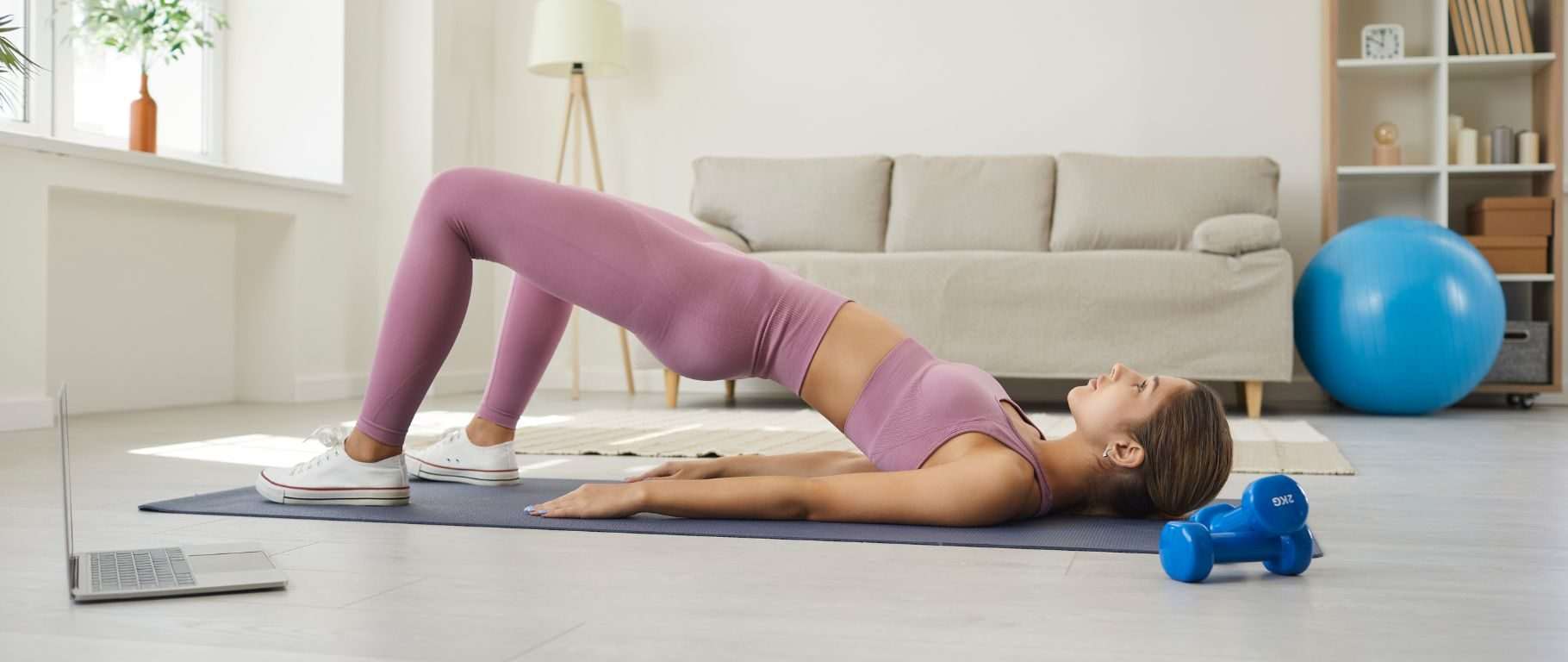
Bridge with Pelvic Engagement
Lie on your back with knees bent. As you lift your hips into a bridge position, gently engage your pelvic floor. Lower the hips while keeping the muscles slightly active. Repeat 10 times. This integrates pelvic floor work with glutes and core.
Deep Breathing with Pelvic Floor Awareness
Inhale deeply, expanding the diaphragm. As you exhale, gently lift the pelvic floor. This builds coordination between breathing and muscle engagementa key to long-term pelvic health.
Standing Kegels for Functionality
Once you’re confident in your technique, practice pelvic floor contractions while standing or walking. This adds real-world strength and prepares the muscles for daily activities like lifting, climbing stairs, or caring for children.
Tips for Safe and Effective Practice
Avoid Overworking: More is not always better. Muscles need time to rest and rebuild. Overtraining the pelvic floor can lead to tension and pain.
Stay Consistent: Results come from regular practice. Build a routine around daily habitsafter brushing teeth, during breaks, or while driving.
Focus on Relaxation: Just as contraction is important, relaxation is equally essential. Let the muscles fully release between repetitions.
Engage Core Muscles Mindfully: Avoid clenching your glutes or holding your breath. Instead, engage the pelvic floor gently with steady breathing.
When to See a Physiotherapist
If you experience leaking, heaviness, pain, or difficulty identifying the right muscles, seek help from a pelvic health physiotherapist. They provide personalized assessments and modify exercises based on your symptoms and physical condition.
Physiotherapists can also address underlying factors like posture issues, abdominal separation, or core weakness that contribute to pelvic floor dysfunction. With professional guidance, many women achieve faster results and regain control over their bodies.
Integrating Pelvic Floor Work Into Everyday Life
Strengthening the pelvic floor doesn’t require setting aside special time each day. Incorporate exercises into your existing routineengage the muscles while waiting in line, standing at the sink, or sitting at your desk. The more seamlessly you blend these exercises into your life, the easier it becomes to stay consistent.
A Long-Term Investment in Health
Simple pelvic floor exercises offer profound benefits when practiced consistently and correctly. By strengthening these foundational muscles, women reduce the risk of injury, maintain continence, improve sexual health, and boost confidence in movement. These exercises serve as both a preventative measure and a path to recovery for those already experiencing symptoms.
No matter your age or activity level, its never too earlyor too lateto begin strengthening your pelvic floor. With just a few minutes of effort each day, you can make lasting improvements to your health, comfort, and quality of life.