Stretch, Strengthen, Recover explores targeted strategies for recovery. Discover new paths to mobility, healing, and personalized care.

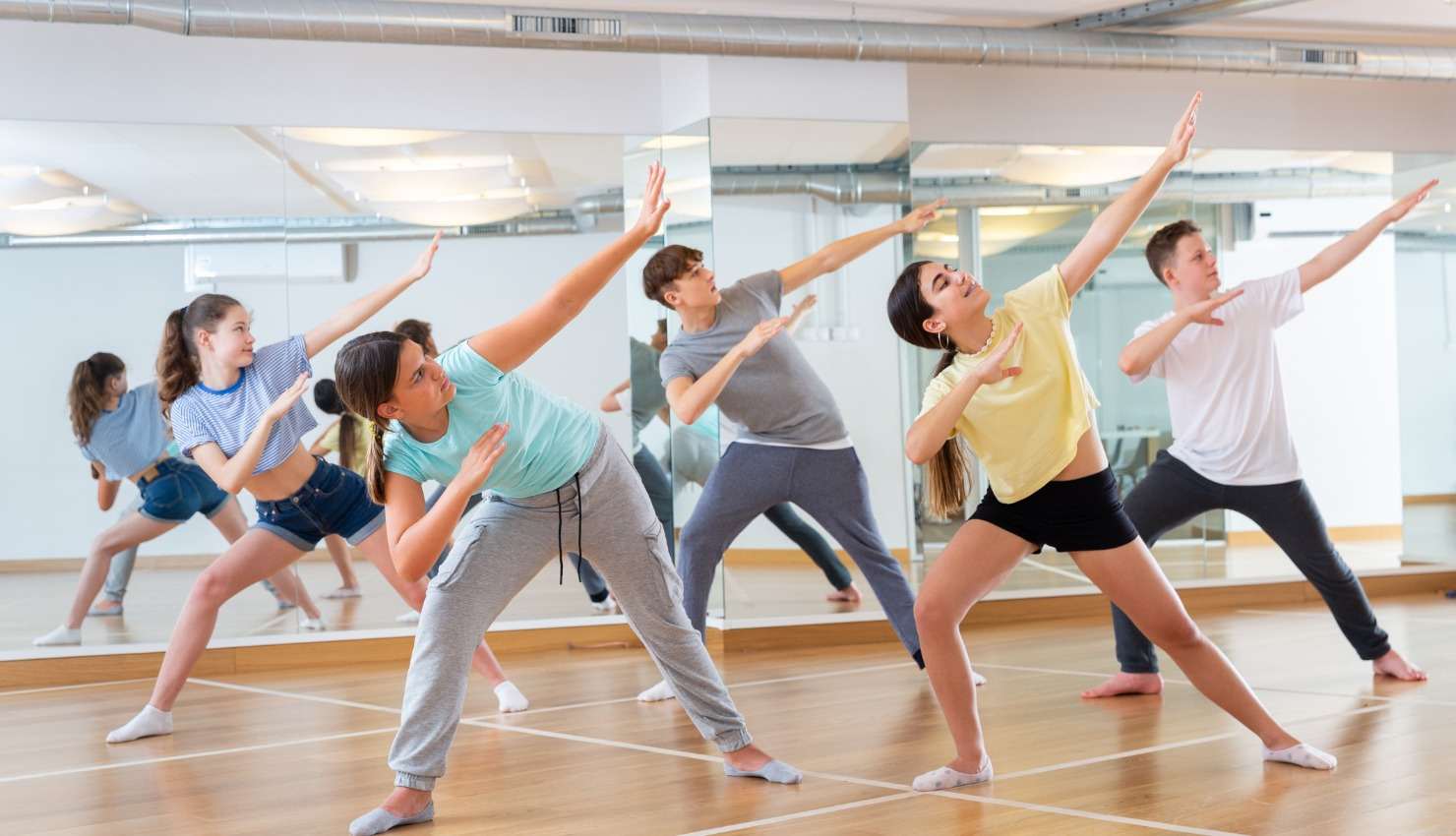
STRETCH: Enhance Flexibility & Prevent Injury
Goals:
Improve range of motion
Prepare muscles for activity
Prevent strain and overuse injuries
Daily Stretch Routine (1015 minutes):
Dynamic Warm-Up (Before Dance):
Leg swings (front and side)
Arm circles and spinal rolls
Hip circles
Static Stretching (After Dance or Rehearsal):
Hamstring stretch
Hip flexor stretch
Calf stretch
Quadriceps stretch
Shoulder and upper back stretch
Physiotherapy Techniques:
Assisted stretching
Myofascial release
PNF (Proprioceptive Neuromuscular Facilitation) stretching
2. STRENGTHEN: Build Stability & Control
Goals:
Improve muscular balance and joint stability
Enhance core control and alignment
Prevent common injuries (e.g., ankle sprains, knee pain)
Key Muscle Groups for Dancers:
Core: Transverse abdominis, obliques, pelvic floor
Lower limb: Glutes, quadriceps, hamstrings, calves
Foot and ankle stabilizers
Scapular and shoulder stabilizers
Sample Strength Routine (34x/week):
Core Stability:
Dead bugs, planks, bird-dogs
Leg Strength:
Single-leg squats, theraband clamshells, calf raises
Ankle & Foot:
Theraband foot strengthening, toe curls, balance work
Upper Body:
Resistance band rows, scapular push-ups
Physiotherapy Techniques:
Isometric and eccentric strengthening
Neuromuscular re-education
Balance and proprioception training
3. RECOVER: Repair & Regenerate
Goals:
Facilitate tissue healing
Minimize soreness
Prevent burnout
Daily and Weekly Recovery Practices:
Cool Down Routine:
Gentle stretching
Breathwork and diaphragmatic breathing
Self-Care Tools:
Foam rolling, massage balls
Contrast baths (hot/cold)
Weekly Recovery Add-ons:
Sports massage
Dry needling (if prescribed)
Hydrotherapy
Rest days with active recovery (light walking, yoga, swimming)
Physiotherapy Techniques:
Manual therapy
Ultrasound or TENS for pain management
Tailored rehabilitation plans for ongoing injuries
Bonus Tips for Dancers
Hydration and Nutrition: Fuel your muscles for performance and recovery.
Posture Awareness: Use physiotherapy to correct imbalances from repetitive movement.
Consistent Screening: Have regular physiotherapy check-ins to catch early signs of dysfunction.