Stretching and Strengthening explores targeted strategies for recovery. Discover new paths to mobility, healing, and personalized care.

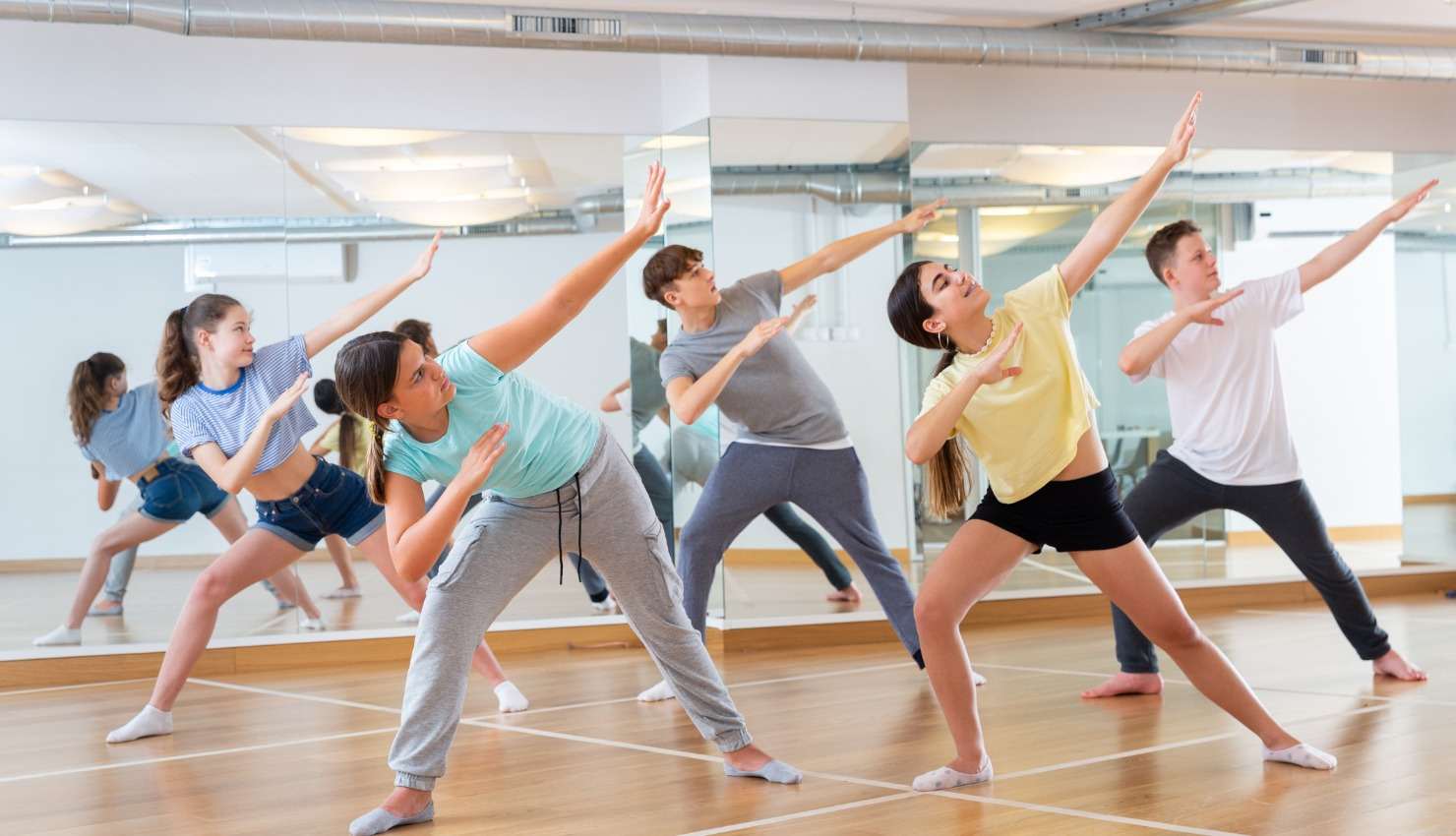
Dance is a physical art that requires not only flexibility and grace, but also deep strength and control. A well-structured physiotherapy plan that combines targeted stretching and functional strengthening can help dancers move more fluidly, stay injury-free, and sustain high-level performance over time.
?? Why Both Stretching and Strengthening Matter
Stretching improves range of motion, releases tight muscles, and prepares the body for movement.
Strengthening provides the muscular control and joint stability needed to support that flexibility.
? One without the other can lead to imbalance, instability, and injury.
?? Physiotherapy-Based Approach: The 2-Part Plan
Part 1: Smart, Safe Stretching for Dancers
Goals:
Improve muscle elasticity
Enhance joint mobility
Support technique (e.g., turnout, extensions, splits)
Prevent muscle strains
? Key Physiotherapy Stretching Techniques:
Dynamic Stretching (before class or performance)
Improves blood flow and prepares muscles for movement
Examples: Leg swings, controlled kicks, arm circles
Static Stretching (after activity)
Lengthens muscles after use, reduces soreness
Examples: Seated hamstring stretch, hip flexor stretch
PNF (Proprioceptive Neuromuscular Facilitation)
Involves contracting then relaxing muscles while stretching
Increases flexibility more efficiently
Best done under supervision
?? Stretching Tips for Dancers:
Never force or bounce into a stretch
Hold static stretches for 2030 seconds after dance
Focus on breathing to enhance relaxation and release
Stretch both agonist and antagonist muscles (e.g., hip flexors and glutes)
Part 2: Functional Strengthening for Dancers
Goals:
Support alignment and control
Enhance balance and power
Prevent overuse injuries
Improve technique and endurance
? Focus Areas for Dance-Specific Strength:
Core Stability
Exercises: Dead bugs, bird-dogs, planks, Pallof press
Helps with balance, turns, and lifts
Glutes and Hips
Exercises: Clamshells, bridges, side-lying leg lifts
Key for turnout control and landing mechanics
Feet and Ankles
Exercises: Theraband resistance work, calf raises, toe curls
Builds strength for pointe, jumps, and foot articulation
Upper Body Strength
Exercises: Wall push-ups, resistance band rows
Supports posture, port de bras, and partner lifts
Proprioception and Balance Training
Tools: Balance pads, wobble boards, single-leg work
Reduces risk of falls and enhances spatial awareness
????? Sample Weekly Physiotherapy Plan for Dancers
Day Focus Activities
Mon Core + Dynamic Flexibility Core circuit + leg swings + dynamic hamstring work
Tue Glutes + Hip Mobility Clamshells + bridges + pigeon stretch
Wed Feet/Ankles + Balance Theraband foot work + calf raises + single-leg balance
Thu Full-Body Conditioning Circuit training + PNF stretches
Fri Active Recovery + Postural Alignment Gentle yoga, breathing, posture drills
Sat Dance Day (Technique) Pre-class dynamic stretches + post-class static stretches
Sun Rest or Physio Check-in (if injured) Foam rolling, mobility, recovery time
?? Tips for Success
Consistency beats intensity small efforts, done daily, yield big results
Always warm up before stretching and cool down after strengthening
Ask a physiotherapist to assess your individual needs and asymmetries
Mix in cross-training (e.g., Pilates, swimming) for extra support