Stretching vs. Strengthening explores targeted strategies for recovery. Discover new paths to mobility, healing, and personalized care.

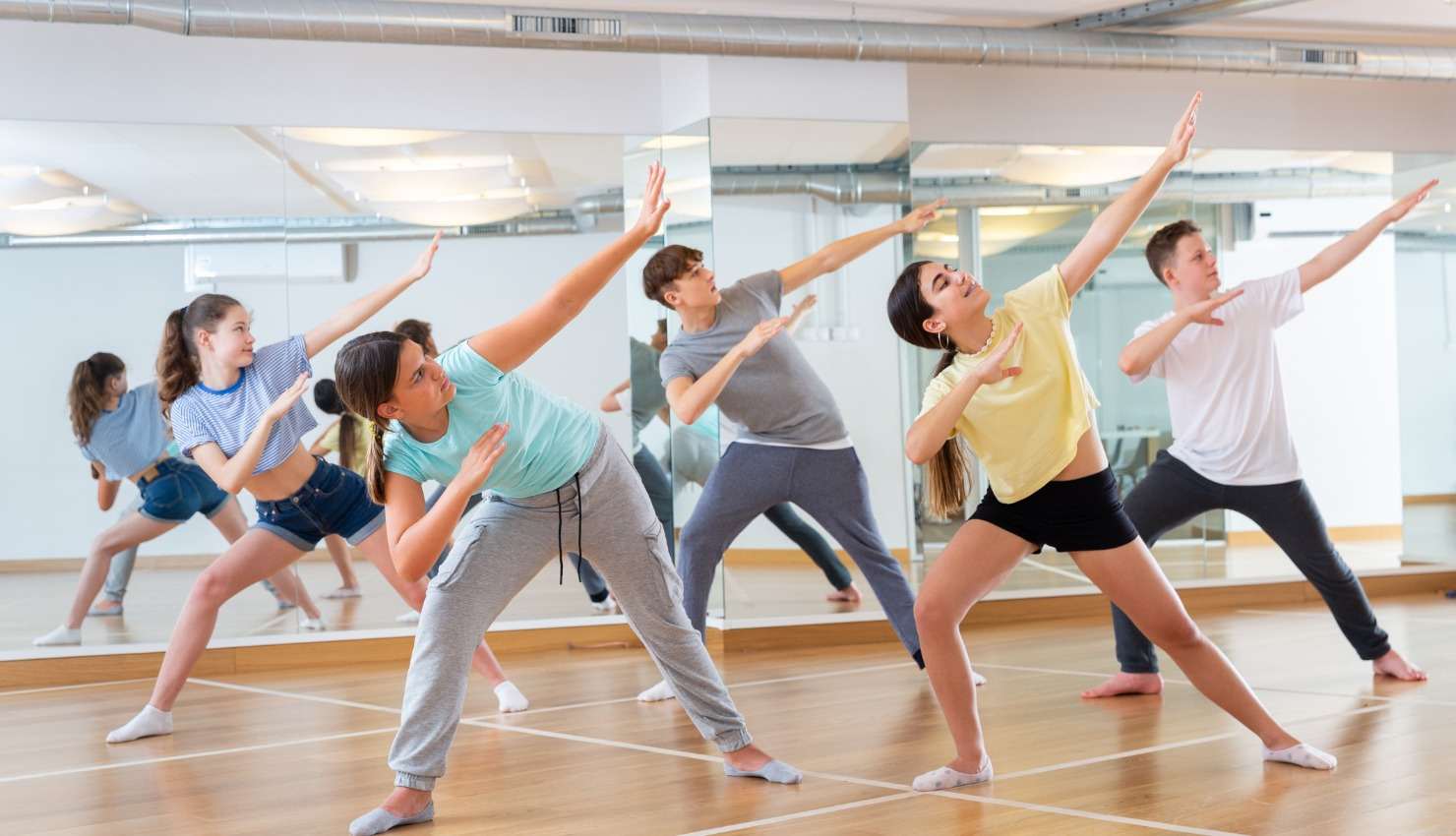
The Importance of Stretching in Dance
Stretching improves:
Flexibility for higher leg extensions, deeper pliés, and fluid transitions
Range of motion in joints like the hips, shoulders, and spine
Muscle recovery by increasing blood flow and reducing tightness
Types of stretching used in physiotherapy:
Dynamic stretching (e.g., leg swings before class) to prepare muscles for movement
Static stretching (e.g., hamstring holds post-rehearsal) to relax muscles after activity
PNF stretching (contract-relax methods) to safely increase flexibility
?? But too much passive stretchingespecially without muscle engagementcan lead to joint instability and overstretched ligaments.
?? Why Strengthening is Equally Essential
Strengthening enhances:
Joint stability (especially in the ankles, knees, hips, and spine)
Muscular control for balance, turns, and safe landings
Injury prevention, particularly in hypermobile or growing dancers
Physiotherapists target key muscle groups:
Core stabilizers (transverse abdominis, multifidus)
Hip stabilizers (gluteus medius, deep rotators)
Ankle and foot stabilizers (intrinsic foot muscles, tibialis posterior)
Scapular muscles for port de bras and arm control
?? Strength provides the control to fully use your flexibility in a healthy, functional way.
?? The Physiotherapy Balance: Flexibility + Strength
Physiotherapists assess:
Whether a dancers limited range of motion is due to muscle tightness or weakness
If their excess mobility is compromising control and joint health
The dancers specific style and choreography demands
They then create a customized plan that includes:
Stretching tight or shortened muscles
Strengthening underactive or overstretched areas
Neuromuscular training to improve control through full ranges of motion
?? Example: A dancer struggling with arabesque height may benefit from hamstring and hip flexor stretchingbut only if paired with gluteal and core strengthening to support the lifted leg and protect the spine.
?? Application in Real-Life Dance Settings
Goal Stretching Focus Strengthening Focus
Improve turnout Stretch adductors, hip flexors Strengthen deep external rotators, glutes
Safe pointe work Stretch calves, toe extensors Strengthen intrinsic foot muscles, peroneals
Higher extensions Stretch hamstrings, hip flexors Strengthen hip flexors and core
Injury rehab Gentle range-of-motion stretches Progressive loading of affected muscles
Prevent overuse Restore muscle length post-class Maintain muscular balance and symmetry
? Tips from a Physiotherapist:
Dont hold long static stretches before classuse dynamic warm-ups instead
Pair every increase in flexibility with an increase in strength and control
If youre hypermobile, focus more on stability and joint protection
Use tools like resistance bands, stability balls, and balance boards
Include functional strength trainingnot just isolated exercises