Structural Integration Explained explores targeted strategies for recovery. Discover new paths to mobility, healing, and personalized care.

Ever feel like your body just isnt moving quite right? Maybe your shoulders are constantly tight, your hips feel stuck, or your posture seems to be working against you. If youre nodding yes, youre not aloneand Structural Integration might just be the solution your bodys been waiting for.
Lets break down what Structural Integration (or SI) really is, how it works, and what you can expect if you decide to give it a try.
?? What Is Structural Integration?
At its core, Structural Integration is a type of bodywork that focuses on the fascial systemthat web-like connective tissue that wraps around your muscles, bones, and organs. Over time, stress, injuries, repetitive movements, and even emotions can cause your fascia to tighten, twist, or stick. The result? Pain, poor posture, limited range of motion, and a feeling of being out of balance.
Structural Integration gently untangles these restrictions and brings your body back into alignment with gravity. Its like giving your posture a reset buttonand your movement a fresh start.
??? How Does It Work?
?? The 10-Series
Structural Integration is typically delivered in a 10-session series, with each session building on the last. Think of it like a well-designed renovationstarting with the foundation and working your way up to the roof.
Heres a quick look at the process:
Sessions 13: The Surface Layer
Focus on improving breathing, opening the ribcage, and balancing the lower legs and pelvis.
Sessions 47: The Deep Core
Work with deeper structures like the spine, psoas, and pelvic floorbringing strength and stability.
Sessions 810: Integration
Refine the work, improve movement patterns, and coordinate the whole body in motion.
Each session targets specific fascial planes and regions while considering how they influence your overall posture and movement.
??? What Happens in a Session?
?? Step 1: Posture & Movement Assessment
Before any hands-on work begins, your practitioner will observe your posture, movement, and breathing. They might ask you to walk, bend, or shift your weightlooking for imbalances or compensations in your structure.
? Step 2: Hands-On Fascial Work
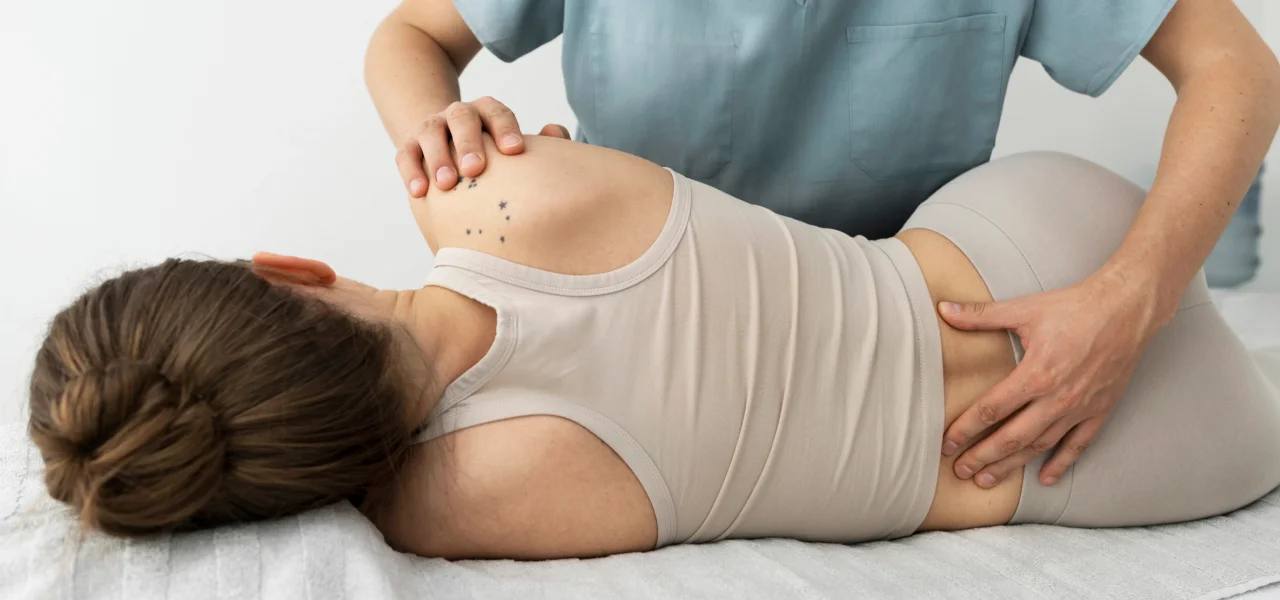
Youll lie on a soft bodywork table, and the practitioner will use slow, steady pressure on key fascial lines. Unlike massage, which works with muscle tissue, SI works with and through fascia, aiming for structural change, not just relaxation.
Sessions are interactiveyou may be asked to move a limb, take a breath, or shift your weight as the work unfolds.
Why are you working on my feet when I came in for neck pain?
Because everything in your body is connected. A tight ankle can affect your knee, hip, spine, and yeseven your neck.
?? The Mind-Body Connection
Heres something special about SI: its not just about the body. As fascia releases, its not uncommon for people to feel emotional shifts, clarity, or a sudden sense of spaciousness.
You might walk out of a session feeling:
Taller
Lighter
Grounded
Calmer
More aware of how you move and stand
Thats because SI doesnt just work on your bodyit teaches your body new ways of being in the world.
?? Does It Hurt?
It can feel intense, especially in areas where the fascia is very tight, but its not meant to be painful. Most people describe the sensation as:
Deep stretching
A release of pressure
Good pain that leads to relief
Youre always encouraged to communicate during the sessionyour comfort matters.
?? Who Is It For?
Structural Integration is great for:
Athletes wanting better performance and faster recovery
Desk workers battling poor posture and tension
Chronic pain sufferers looking for long-term relief
Anyone who feels out of alignment or disconnected from their body
Whether you’re a runner with recurring knee pain, a yogi wanting more flexibility, or someone recovering from an old injury, SI can help bring your body back into harmony.
?? What to Expect After Your Sessions
After a session, you might notice:
Improved posture
Easier breathing
Looser joints
Greater awareness of your body
Mild soreness (similar to after a good workout)
The results are cumulativeeach session builds on the last, creating a new structural blueprint for your body to move with more ease and grace.
?? Quick Tips Before You Go
Wear minimal, comfortable clothing (like shorts or a sports bra)
Stay hydratedfascia loves water!
Give your body time to processavoid intense exercise right after a session
Keep an open mindStructural Integration works with your whole being
?? Final Word: A Path to Long-Term Change
Structural Integration isnt a one-and-done body fix. Its a journey toward balance, freedom, and resilience. It helps your body relearn how to move naturally, without strainand once that switch flips, its hard to go back.
If youre ready to move beyond temporary relief and create lasting change, Structural Integration might be exactly what your body has been asking for.