Structural Integration for Athletes explores targeted strategies for recovery. Discover new paths to mobility, healing, and personalized care.

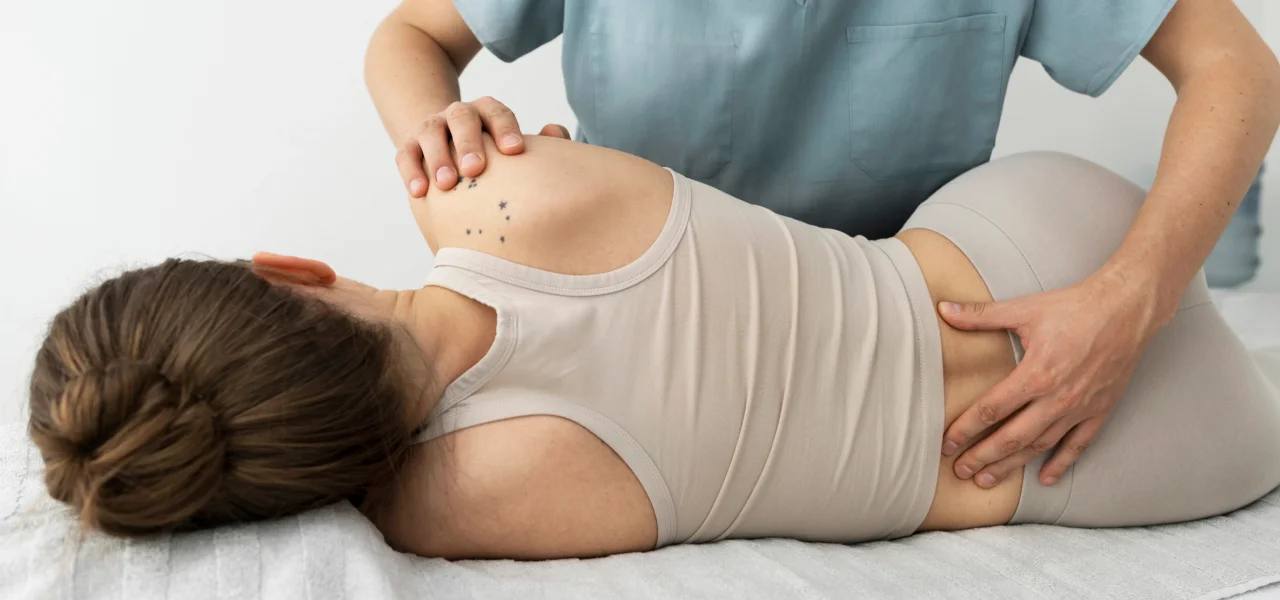
If you’re an athletewhether you’re a weekend warrior or an elite competitoryou know your body is your most valuable piece of equipment. Just like any high-performance tool, your body needs alignment, maintenance, and precision. Thats where Structural Integration (SI) comes in.
Think of it as a total tune-up for your muscular and fascial systems, helping you not only recover faster but also perform better. Let’s break it down.
?????? What Is Structural Integration?
Structural Integration is a hands-on manual therapy that focuses on the fasciayour body’s connective tissue network. Over time, due to repetitive movements, injuries, or just daily stress, the fascia can become restricted, pulling your body out of alignment.
This therapy realigns and balances the body by working with the fascia layer by layer. Developed by Dr. Ida Rolf (which is why its often called Rolfing®), SI is all about giving your body a strong, efficient, and sustainable structure.
?? Performance Benefits for Athletes
Lets talk performancebecause at the end of the day, whether you’re sprinting, cycling, swimming, or lifting, every edge counts.
1. Improved Alignment = Better Efficiency
When your body is structurally aligned, movements require less effort. That means more energy goes into performance, not compensation for imbalance.
Imagine running with one leg slightly longer than the other. You can do it, but its going to waste energy and wear your body down. SI helps balance those subtle asymmetries.
2. Enhanced Range of Motion
Structural Integration can release restrictions in fascia that limit flexibility. More freedom in your joints and muscles means more powerful, fluid, and responsive movement.
3. Boosted Body Awareness
Athletes who undergo SI often report increased proprioceptionyour ability to feel where your body is in space. Thats a huge win for form, agility, and injury prevention.
?? Recovery Like a Pro
Recovery isn’t just about ice baths and protein shakes. Structural Integration can help speed up recovery time in a few ways:
?? Reduces Chronic Tension
SI helps release deep-set tension and tightness that can accumulate over timeespecially from repetitive training.
?? Improves Circulation
By freeing up fascial restrictions, blood and lymphatic flow can improve, aiding in quicker healing and detoxification of tissues.
?? Aids Injury Prevention and Rehab
SI doesn’t just address symptomsit looks at why certain patterns develop in the first place. It can correct the underlying structural imbalances that often lead to injuries.
?? Whos Using It?
From Olympic athletes to NFL stars to elite dancers, many professionals swear by Structural Integration to stay at the top of their game. But you dont have to be on a podium to benefitamateur and everyday athletes can see powerful results too.
??? Think of It as Structural Remodeling for the Body
Just like how you wouldnt build a house on a crooked foundation, you dont want to build strength or endurance on a misaligned body. Structural Integration gives your body the sturdy framework it needs to perform under pressureand bounce back stronger.
Ready to Realign?
If youre looking to level up your athletic performance, improve recovery, or simply move and feel better, Structural Integration might just be your secret weapon.
Because in the world of sports, its not always about training harderits about moving smarter.