Structural Integration for Better Posture explores targeted strategies for recovery. Discover new paths to mobility, healing, and personalized care.

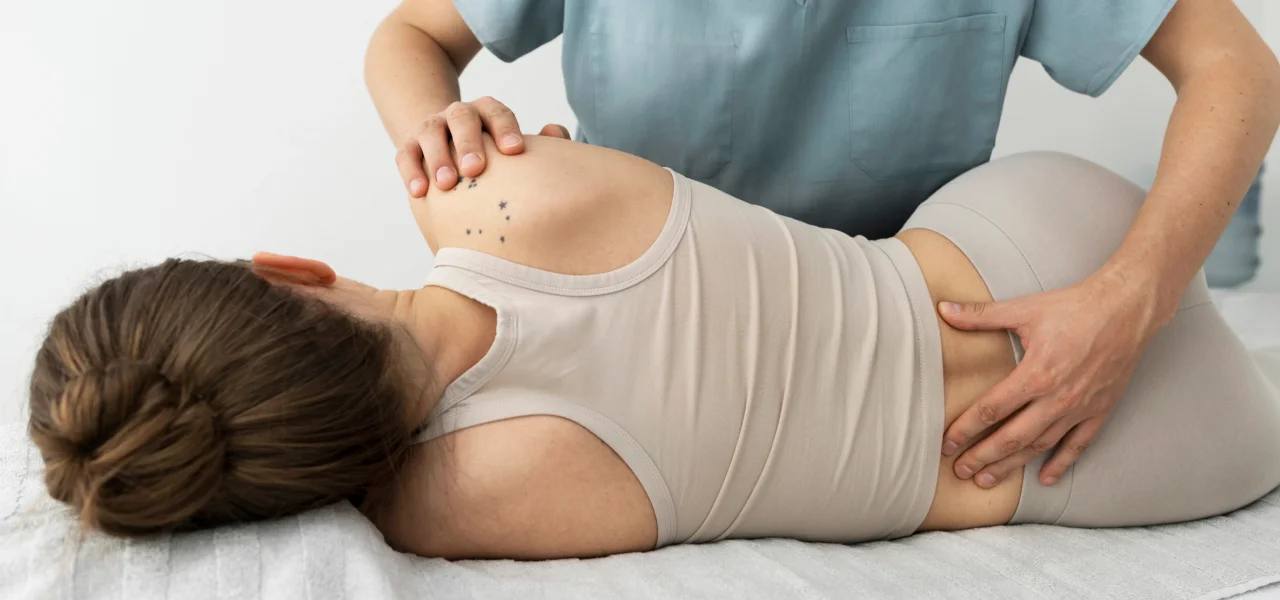
Lets face itmost of us dont think about our posture until something starts to hurt. Maybe its that nagging neck tension after a long day at the desk, or the lower back ache that creeps in while standing too long. But heres the truth: posture is more than just standing up straight. Its about how your entire body aligns and moves in gravityand Structural Integration is one of the most effective ways to improve it from the ground up.
In this comprehensive guide, well break down what Structural Integration is, why posture matters more than you think, and how this powerful hands-on therapy can help you feel taller, stronger, and more at ease in your own body.
What Is Structural Integration?
Structural Integration (SI) is a form of bodywork that focuses on realigning the bodys structureparticularly the fascia, the connective tissue that surrounds muscles, bones, and organs. Developed by Dr. Ida Rolf (which is why its often called Rolfing), SI uses a series of hands-on techniques to unwind tension, correct imbalances, and improve how your body functions in gravity.
Unlike a regular massage that may feel good in the moment, SI works on deep, long-held patterns in your body to create lasting change in posture and movement.
Why Is Posture So Important?
Poor posture isnt just about appearancesit has real consequences for how your body feels and functions. Over time, misalignment can lead to:
Chronic neck, shoulder, and back pain
Headaches and tension
Limited range of motion
Shallow breathing
Joint wear and tear
Fatigue and poor circulation
On the flip side, good posture means your body is aligned, balanced, and supported. You move more efficiently, breathe more deeply, and even feel more confident.
How Structural Integration Improves Posture
Heres where the magic happens. Structural Integration helps realign the body by working on the fascial systemreleasing adhesions and restrictions that are pulling your posture out of alignment.
1. Releasing Fascia Thats Holding You Back
Over time, fascia can become dense or stuck due to injury, poor posture, or stress. SI helps free up these restrictions so muscles and joints can return to their natural positions.
2. Balancing Tension Across the Body
Many postural issues are about imbalancetight in some areas, weak in others. SI doesnt just work where you hurt; it works across the entire body to restore structural balance.
3. Retraining Movement Patterns
SI practitioners often guide you through movement during the session to help retrain how you sit, stand, walk, and even breathe. This helps your body remember how to move with ease and alignment.
4. Creating a New Relationship with Gravity
One of the core principles of SI is helping your body become more efficient in gravity. When your head, spine, and pelvis are properly aligned, your body can move with far less strain and far more grace.
What to Expect During a Structural Integration Series
Structural Integration is often delivered through a 10-session series, with each session focusing on a specific part of the body and how it integrates with the whole.
Heres a rough idea of how the series unfolds:
Sessions 13: Focus on the superficial layersfreeing the breath, opening the front and back, and creating length.
Sessions 47: Work on deeper structures like the pelvis, spine, and legs to build support and strength.
Sessions 810: Integrate everythingbringing together your posture, movement, and overall alignment.
Each session builds on the last, and many people report feeling taller, more upright, and more grounded as the series progresses.
Who Can Benefit from Structural Integration?
Structural Integration is ideal for anyone who:
Sits at a desk all day and struggles with posture
Experiences chronic pain or stiffness
Feels out of alignment or imbalanced
Wants to improve athletic performance or flexibility
Is recovering from an injury or surgery
Simply wants to move and feel better long-term
Its safe and effective for most people, including older adults, athletes, dancers, and anyone seeking a more integrated connection with their body.
Real-Life Benefits of Improved Posture Through SI
After completing a Structural Integration series, clients often report:
A noticeable increase in height or lift
Relief from chronic pain or tightness
Better balance and coordination
Easier, more efficient movement
Deeper breathing and reduced fatigue
A greater sense of physical presence and body awareness
And the best part? These benefits are often long-lasting, because SI doesnt just treat symptomsit rewires the patterns that caused them.
Final Thoughts: Its Not Just About Standing Up Straight
Good posture isnt about pulling your shoulders back or forcing yourself upright. Its about creating a natural, effortless alignment that supports your bodyevery day, in everything you do.
Structural Integration offers a powerful, science-based way to improve posture from the inside out. By working with the bodys fascia and natural movement patterns, SI helps you feel more aligned, more connected, and more alive in your body.
If youre ready to move beyond temporary fixes and build a lasting foundation for better posture and mobility, Structural Integration could be the solution youve been looking for.