Structural Integration for Better Posture explores targeted strategies for recovery. Discover new paths to mobility, healing, and personalized care.

Ever feel like your bodys moving in slow motionor worse, not moving at all the way it used to? Whether its tight shoulders, a stiff lower back, or hips that just wont cooperate, reduced flexibility and limited range of motion can seriously impact your daily life. Thats where osteopathy shinesoffering a gentle, hands-on approach to help your body move better, feel looser, and perform at its best.
Lets explore how osteopathy can help you reclaim your freedom of movement.
First, What Are Flexibility and Range of Motion?
They might sound similar, but theyre not quite the same.
Flexibility refers to how easily your muscles and soft tissues can lengthen.
Range of motion (ROM) is about how far a joint can move in a specific direction.
Both are key to fluid, pain-free movementand both can take a hit from things like:
Injury or surgery
Poor posture
Sedentary lifestyle
Muscle imbalances
Scar tissue or inflammation
Stress (yes, tension lives in your muscles too!)
How Osteopathy Helps You Move More Freely
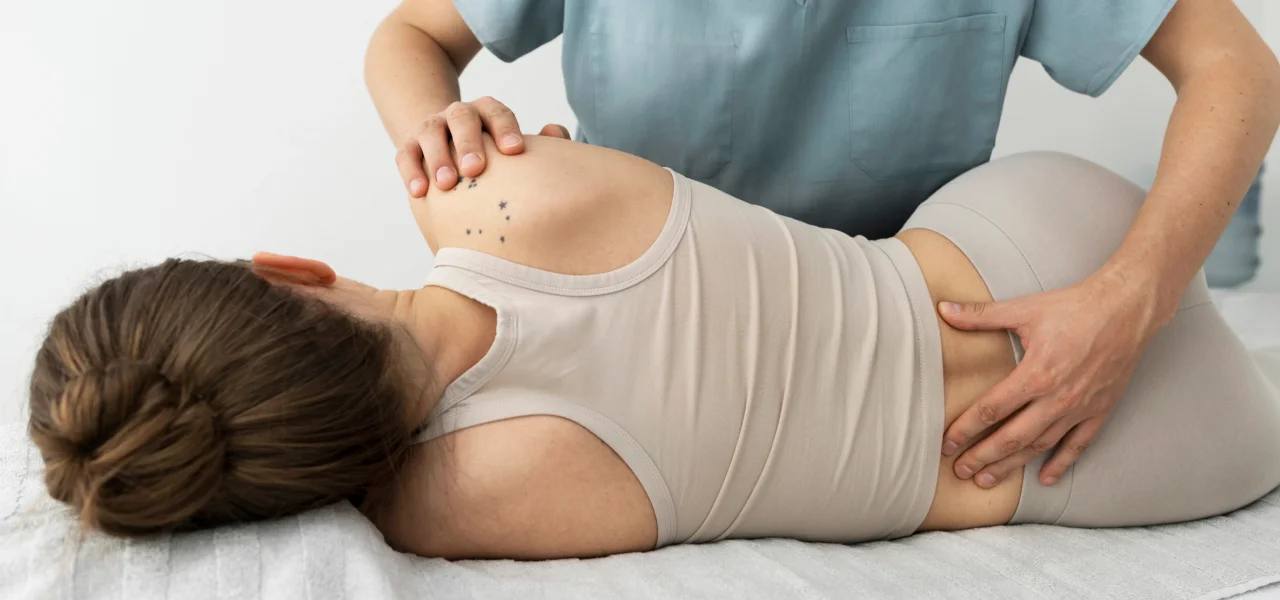
Osteopaths are movement detectives. They assess where your body is holding tension, where joints are restricted, and how your structure is affecting your function. Then, using a variety of hands-on techniques, they help release restrictions, restore balance, and get your body moving againnaturally.
Heres how they do it:
1. Gentle Joint Mobilisation
When joints are stiff, they dont glide properly. Osteopaths use rhythmic, low-force mobilisations to restore natural joint motion. This encourages smoother movement and prevents surrounding muscles from tensing up to compensate.
2. Soft Tissue Release Techniques
Tight or shortened muscles can limit your flexibility. Osteopaths use techniques like stretching, myofascial release, and massage to lengthen soft tissues and break up any adhesions or scar tissue that might be limiting your movement.
3. Addressing Fascia Restrictions
Fasciathe connective tissue that wraps around muscles and organscan become stiff or stuck. Osteopaths work with the fascial system to release these restrictions, which can unlock a surprising amount of mobility, especially in tricky areas like the hips, shoulders, and neck.
4. Balancing Muscle Function
Often, some muscles are doing too much while others are asleep on the job. Osteopaths identify these imbalances and help restore muscular harmony, making movement easier and more efficient.
5. Postural and Movement Re-education
Sometimes, the way we sit, walk, or even sleep can create movement limitations. Osteopaths provide personalised advice on how to adjust your posture and daily habits to maintain your improved mobility over the long term.
Who Can Benefit?
Osteopathy is great for anyone feeling stiff, restricted, or stuck in their bodyincluding those with:
Sports injuries
Desk-job-related tightness
Post-surgical stiffness
Arthritis
Tendonitis or repetitive strain
General age-related loss of flexibility
Even if you just want to move better for your workouts, hobbies, or overall quality of lifeosteopathy can help you get there.
Why Flexibility and ROM Matter
Better movement isnt just about touching your toes or doing yoga poses. It means:
Fewer injuries
Less daily discomfort
Better posture and balance
More energy and less fatigue
Greater ease in everyday activitiesfrom tying your shoes to dancing at weddings
Final Thoughts
You dont have to live with stiffness or limited movement. Osteopathy offers a safe, natural, and personalised path to reclaiming flexibility, enhancing mobility, and feeling more at ease in your own body.
So if your bodys been feeling a little rigid lately, maybe its time to loosen things upwith a bit of expert, hands-on care.