Structural Integration for Post-Surgery Recovery explores targeted strategies for recovery. Discover new paths to mobility, healing, and personalized care.

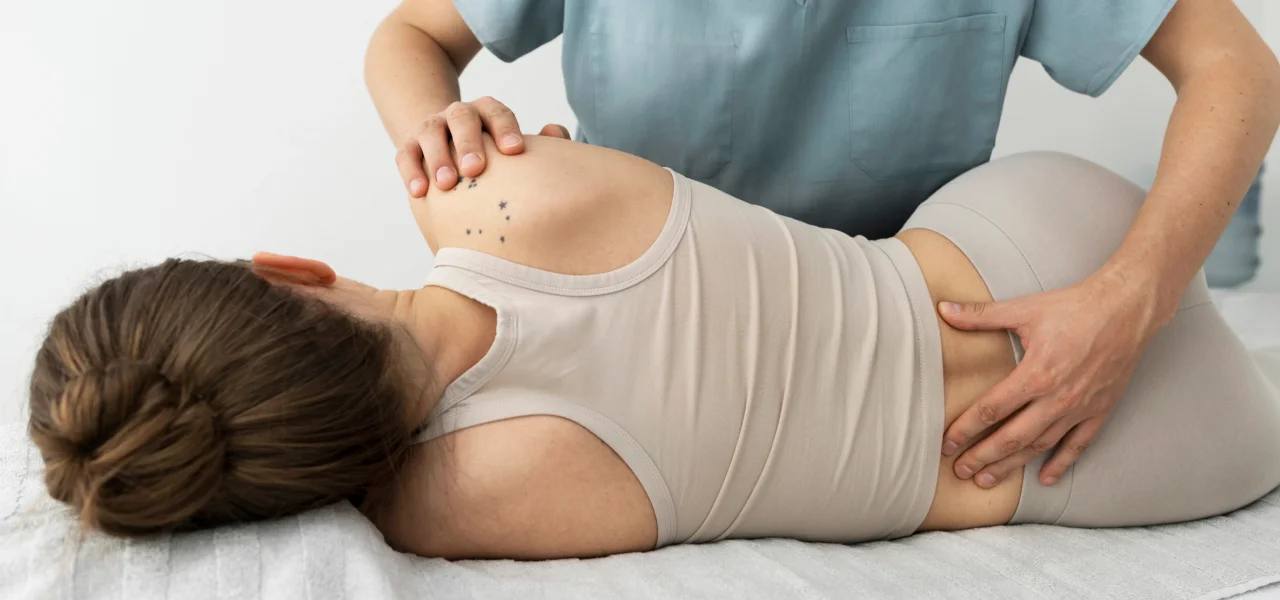
Recovering from surgery can be challengingphysically, emotionally, and mentally. Scar tissue, stiffness, limited mobility, and discomfort often linger long after the surgical wounds have healed. But what if there was a natural way to help your body heal more fully and regain function?
Structural Integration (SI) offers a gentle, hands-on approach that supports your bodys recovery after surgery by addressing the deeper layers of connective tissue and restoring balance throughout your musculoskeletal system.
Why Post-Surgery Recovery Can Be Difficult
Surgerywhether major or minordisrupts the bodys normal structure. Scar tissue can develop, muscles may become tight or weak, and compensatory movement patterns often emerge to protect the healing area. This can lead to:
Restricted range of motion
Chronic tension or pain
Imbalance in posture
Slower overall healing
Structural Integration helps break down these barriers and encourages your body to move, breathe, and heal more naturally.
How Structural Integration Supports Healing After Surgery
1. Releases Scar Tissue and Fascial Restrictions
SI gently works on the fasciathe connective tissue that surrounds muscles and organsto soften and lengthen scar tissue. This can help improve flexibility and reduce discomfort in and around the surgical site.
2. Restores Movement and Alignment
Post-surgery compensation often leads to poor posture or imbalanced movement. SI sessions focus on realigning the whole body, helping restore natural balance and easing strain on other muscles and joints.
3. Enhances Circulation and Lymphatic Flow
Improved circulation supports tissue repair and helps reduce swelling or inflammation. SI techniques encourage better blood and lymph flow, speeding up your body’s natural healing processes.
4. Reduces Pain and Muscle Tension
By releasing tight muscles and fascia, SI helps decrease post-surgical pain and muscle guardingallowing you to move more comfortably.
5. Supports Nervous System Regulation
Surgery can put your nervous system on high alert, which may increase pain sensitivity or stress. SI encourages relaxation and helps your nervous system return to a calmer, balanced state.
What to Expect from Structural Integration Post-Surgery
Your SI practitioner will work closely with your medical team to ensure a safe, supportive recovery plan tailored to your needs. Sessions typically involve:
Gentle, targeted hands-on work on and around the surgical area
Whole-body alignment and fascial release
Movement education to help retrain and rebalance your body
Guidance on self-care and posture
Treatment is always adapted to your healing stage, ensuring its gentle yet effective.
Who Can Benefit?
Structural Integration can be incredibly beneficial after various types of surgery, including:
Orthopedic surgeries (joint replacements, ligament repairs)
Abdominal or thoracic surgeries
Cosmetic or reconstructive surgeries
Post-cesarean recovery
Scar tissue management from any surgical procedure
Whether youre just starting to recover or working on long-term rehabilitation, SI offers a complementary path to better healing and function.
Final Thoughts
Surgery is just the beginning of your healing journey. Structural Integration helps guide your body through recovery by releasing restrictions, restoring balance, and supporting natural function. Its a gentle, effective way to move beyond surgery toward renewed strength and freedom.