Supporting Wellness for Busy Parents brings new meaning to proactive care. Tap into fresh strategies that promote movement and strength.

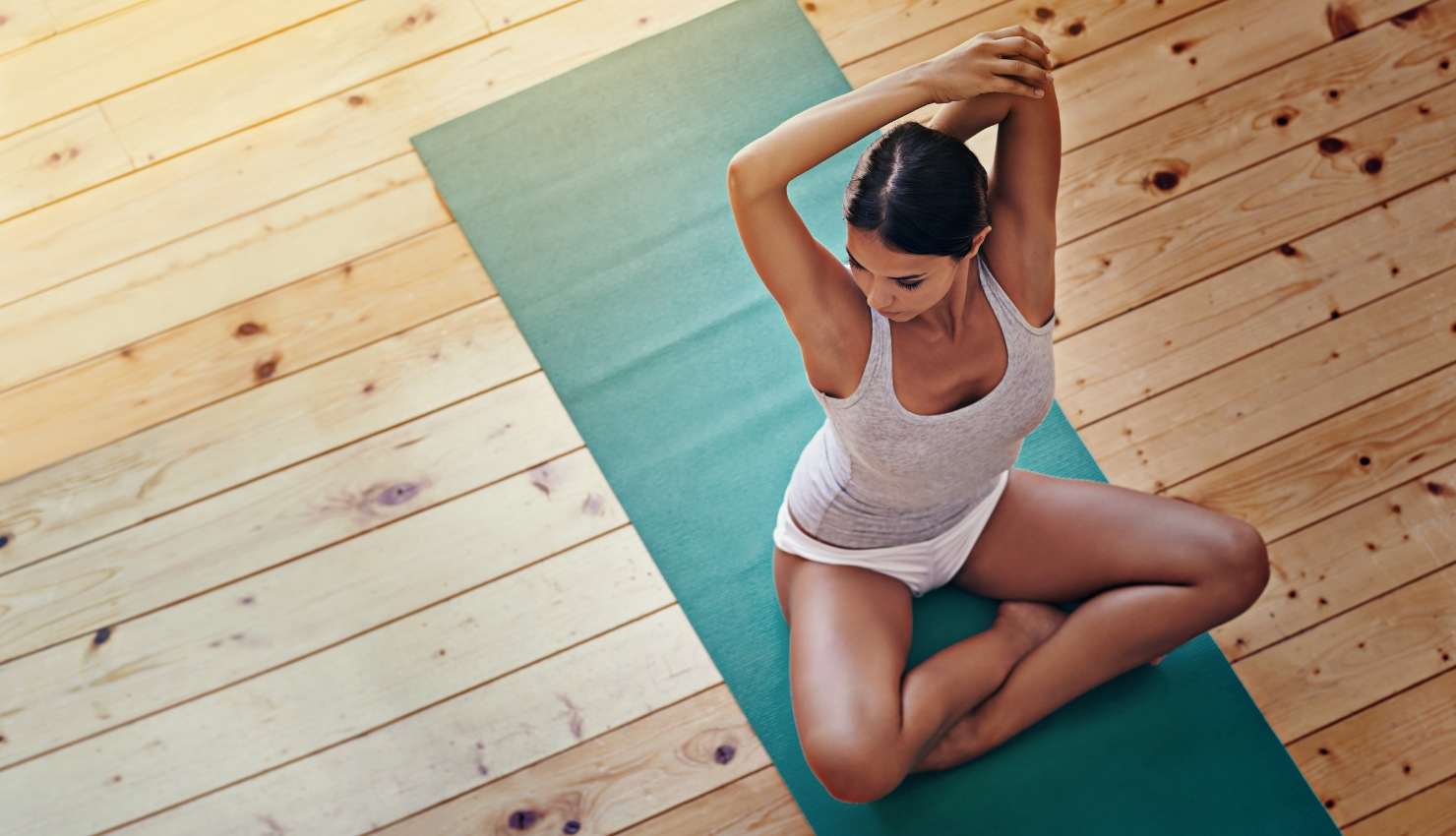
Bringing a new life into the world is a beautiful, transformative experiencebut lets be real: its also tough on your body. From aching backs to weakened cores, sleepless nights to nonstop lifting, the postpartum phase is both physically demanding and emotionally intense.
And for busy parents juggling diapers, feedings, housework, and maybe even a return to work, self-care often drops to the bottom of the list.
But heres the truth: your recovery matters, and physiotherapy can be a game-changing part of your postpartum wellness journey. Whether you gave birth recently or it’s been a while, physiotherapy helps ease discomfort, rebuild strength, and keep you feeling like you again.
????? 1. Relieving Aches and Pains from New Parent Life
Carrying a baby (in your arms, on your hip, or in a car seat), breastfeeding or bottle-feeding, and bending over cribs can do a number on your body.
Common postpartum complaints include:
Lower back pain
Neck and shoulder tension
Wrist and thumb pain (mommy thumb)
Hip and pelvic discomfort
Upper back tightness from nursing or holding baby
Physiotherapy offers hands-on relief with:
Gentle massage and manual therapy
Stretching and mobility work
Postural corrections
Techniques to release tension and reduce inflammation
Youll feel more comfortable, less stiff, and better equipped to take on your daily routine.
?? 2. Rebuilding Core and Pelvic Floor Strength
Pregnancy and childbirth put a lot of strain on your core and pelvic floorand those areas dont always bounce back on their own. Weakness or dysfunction can lead to:
Diastasis recti (ab separation)
Pelvic pain or instability
Incontinence or pelvic floor dysfunction
Poor posture and back pain
Your physiotherapist can guide you through a safe, personalized postpartum exercise plan to:
Strengthen your core muscles
Reconnect with your pelvic floor
Support your spine and pelvis
Rebuild total-body stability
No crunches or high-intensity workoutsjust gentle, effective movement that truly supports your recovery.
?? 3. Managing Stress and Supporting Mental Wellness
Lets be honestpostpartum life can be overwhelming. When your body is in pain or constantly tired, it only adds to the emotional load.
Physiotherapy helps with:
Breathing and relaxation techniques to reduce tension
Calming movement to support mental clarity
Encouragement and support to help you feel in control of your body again
Many new parents find their physio sessions become a form of self-carea space to focus on themselves in the chaos of parenting.
?? 4. Education and Empowerment
Physiotherapists dont just treat symptomsthey teach you how to care for your body with confidence. Youll learn:
How to lift, carry, and move in ways that reduce strain
The importance of recovery and pacing
Techniques to avoid re-injury or worsening symptoms
When and how to safely return to exercise or work
Knowledge is powerand when you know how to protect your body, everything becomes easier.
?? In Summary
Postpartum recovery doesnt stop at six weeks. Whether youre a brand-new parent or years into the journey, physiotherapy offers support, relief, and strength-building tools that help you feel better, move better, and live better.
So while youre taking care of everyone else, dont forget to care for yourself, too.
You deserve to feel strong, supported, and pain-free. And physiotherapy can help get you thereone step, stretch, and breath at a time.