Supporting Wellness for People in Labor-Intensive Jobs with Physiotherapy brings new meaning to proactive care. Tap into fresh strategies that promote movement and strength.

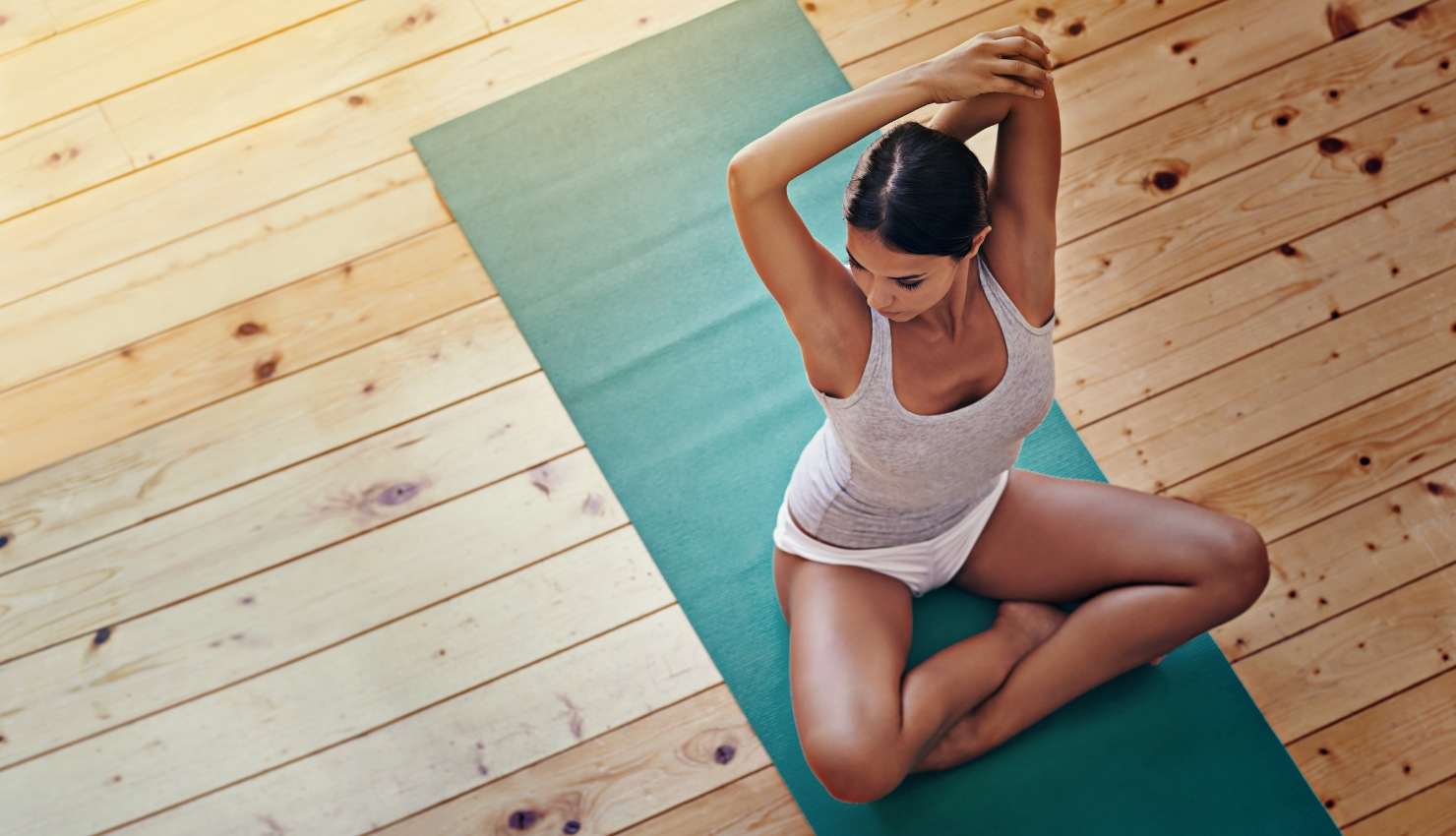
Behind every graceful leap and powerful turn is a body working hard to balance strength, control, flexibility, and endurance. But the repetitive nature of dance, combined with intense training schedules, puts dancers at risk for overuse injuries and muscular imbalances.
Physiotherapy supports dancers with specialized care that protects their body, refines their technique, and keeps them dancing at their best.
1. Preventing Dance-Related Injuries
Dancers often deal with injuries like:
Ankle sprains
Achilles tendinitis
Hip impingement
Patellofemoral pain (dancers knee)
Lower back strain
Stress fractures
A physiotherapist trained in dance medicine can:
Assess your movement patterns and posture
Identify muscle imbalances or weaknesses
Create a personalized injury prevention program with targeted exercises and stretches
Injury prevention starts before pain ever shows up and thats where physio shines.
2. Improving Flexibility Safely and Effectively
Flexibility is essential for dancers, but it must come with control. Overstretching or incorrect techniques can actually lead to injury.
Physiotherapy helps by:
Teaching safe stretching methods that protect joints and soft tissues
Focusing on dynamic flexibility for better movement control
Strengthening opposing muscle groups to support hypermobile joints
The goal? To help you move with freedom and stability, not just range.
3. Supporting Technique and Alignment
Subtle misalignments in your posture or foot placement can have a ripple effect across your entire body affecting both performance and injury risk.
Physiotherapists help dancers fine-tune:
Core activation and pelvic alignment
Knee tracking and foot placement
Shoulder stability and spinal posture
These improvements not only reduce strain they also elevate your technique, balance, and expression on stage.
4. Enhancing Strength and Control
Dancers need more than just flexibility they need serious strength. But traditional gym workouts dont always align with a dancers needs.
A dance-savvy physiotherapist can build a custom strength program that focuses on:
Joint stability
Eccentric control (especially during landing and balance)
Core and glute activation
Power without bulk
Its about building a body thats as resilient as it is graceful.
5. Accelerating Recovery from Rehearsals and Performances
Long rehearsal days and back-to-back shows can take a toll. Physiotherapy offers recovery tools to help your body bounce back quickly, such as:
Manual therapy for muscle release
Dry needling, cupping, or taping
Recovery stretches and mobility drills
Breathing exercises to reset your nervous system
The faster you recover, the stronger you return to the floor.
6. Supporting Mental Wellness and Body Awareness
Dance demands a high level of body awareness but also comes with intense physical and emotional expectations. Physiotherapy provides a supportive space to reconnect with your body in a healthy, empowered way.
By learning to move more mindfully and manage pain or fatigue, dancers often feel more confident, balanced, and connected on and off stage.
Final Thoughts
Dancers are passionate, powerful, and precise and physiotherapy helps protect that artistry by supporting the body behind the performance. Whether youre training, performing, or recovering, physio is your partner in staying strong, supple, and injury-free.
Because when your body feels good, your movement flows effortlessly and thats when the real magic happens.