Women's hormonal health plays a vital role in overall well-being—affecting mood, energy, metabolism, sleep quality, menstrual health, fertility, and long-term vitality. While most people associate physiotherapy with injury recovery, it is also a powerful tool for balancing hormones, improving cycle health, and supporting the female body’s natural rhythms. At Your Form Sux, our practitioners specialize …

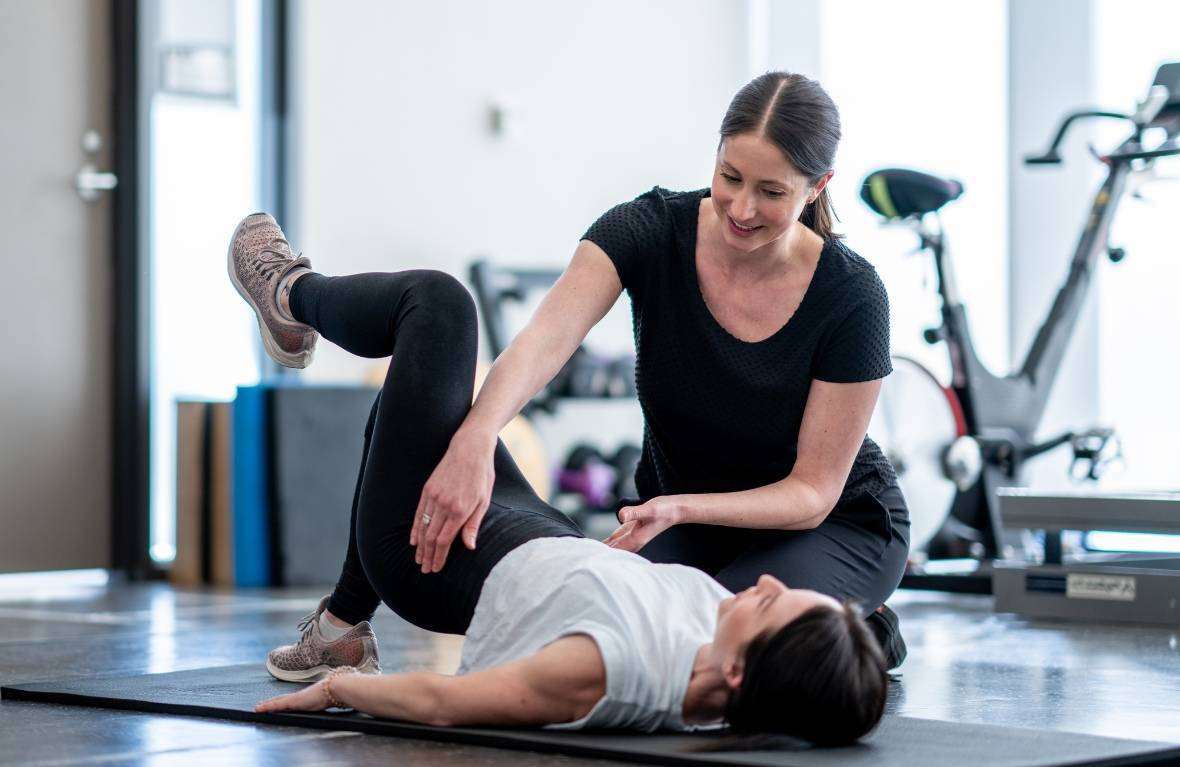
Women’s hormonal health plays a vital role in overall well-being—affecting mood, energy, metabolism, sleep quality, menstrual health, fertility, and long-term vitality. While most people associate physiotherapy with injury recovery, it is also a powerful tool for balancing hormones, improving cycle health, and supporting the female body’s natural rhythms.
At Your Form Sux, our practitioners specialize in women’s wellness and understand how targeted physiotherapy exercises can positively influence hormonal regulation, pelvic function, stress response, and lymphatic flow. This blog breaks down exactly how physiotherapy supports hormonal health and what exercises can help women feel their best throughout every phase of their cycle.
Understanding Hormonal Health for Women
Hormones fluctuate naturally during the menstrual cycle, pregnancy, postpartum period, and menopause. However, stress, sedentary lifestyles, poor posture, chronic tension, and pelvic dysfunction can disrupt hormonal balance and lead to:
- Irregular cycles
- PMS and PMDD
- Painful periods
- Low energy
- Mood swings
- Poor digestion
- Hormonal acne
- Sleep disturbances
- Weight fluctuations
- Fertility concerns
Physiotherapy exercises help the body regulate hormones through improved circulation, reduced inflammation, and better nervous system function.
How Physiotherapy Exercises Support Hormonal Balance
1. Improves Blood Flow to Hormone-Producing Organs
The ovaries, uterus, thyroid, and adrenal glands all depend on optimal circulation. Poor posture, pelvic tightness, or restricted breathing can limit blood flow in these regions. Physiotherapy mobilization and stretching help restore healthy circulation, allowing hormones to regulate naturally.
2. Reduces Stress & Lowers Cortisol
Chronic stress is one of the biggest hormonal disruptors. High cortisol affects estrogen, progesterone, and insulin levels. Physiotherapy exercises—especially diaphragmatic breathing and mobility drills—activate the parasympathetic nervous system, promoting relaxation and hormonal balance.
3. Supports Lymphatic Drainage
The lymphatic system is essential for detoxification and hormonal waste removal. Exercises that involve full-body movement and rib cage expansion significantly improve lymph flow.
4. Enhances Pelvic Floor Function
A weak or overactive pelvic floor can cause painful periods, bladder issues, and sexual dysfunction—all of which influence hormonal regulation. Pelvic floor physiotherapy strengthens and balances this foundational system.
5. Stabilizes Blood Sugar Levels
Strength-based physiotherapy exercises help regulate insulin sensitivity, supporting healthy weight and reducing symptoms of PCOS and hormonal acne.
Physiotherapy Exercises That Support Women’s Hormonal Health
Below are evidence-based exercises performed at Your Form Sux, and also recommended for at-home practice. They are safe for most women but should be personalized by a trained physiotherapist.
1. Diaphragmatic Breathing (Hormone-Regulating Essential)
Best for: Stress reduction, cortisol balance, PMS, anxiety, pelvic tension
How to do it:
- Lie down or sit comfortably
- Place one hand on your chest, the other on your belly
- Inhale slowly so your belly expands
- Exhale softly through pursed lips
- Repeat for 3–5 minutes
This activates the vagus nerve, calming the nervous system and restoring hormonal balance.
2. Cat-Cow Stretch (Thyroid & Reproductive Health)
Best for: Improving circulation to pelvic organs
This dynamic movement improves spinal mobility, reduces tension, and stimulates circulation in the pelvis and abdominal organs.
3. Pelvic Tilts (Cycle Support & PMS Relief)
Best for: Strengthening core muscles, reducing menstrual pain
Pelvic tilts release tension from the lower back and pelvis—two areas heavily involved in hormonal regulation.
4. Glute Bridges (Hormone-Friendly Strength Work)
Best for: PCOS, insulin regulation, metabolism support
Strengthening the glutes enhances pelvic stability and helps regulate blood sugar levels, indirectly supporting hormone balance.
5. Child’s Pose (Menstrual Phase Relief)
Best for: Cramping, bloating, emotional relaxation
This gentle stretch soothes the lower back and abdomen, promoting relaxation during the menstrual phase.
6. Thoracic Spine Rotations (Lymphatic Flow & Mobility)
Best for: PMS, inflammation, fatigue
Improved thoracic mobility enhances breathing capacity and lymph drainage—both crucial for hormonal health.
7. Pelvic Floor Drops (Not Always “Kegels”)
Best for: Painful periods, painful intercourse, muscle overactivity
Most women are told to “strengthen the pelvic floor,” but many actually have tight pelvic muscles.
Physiotherapy helps determine whether to strengthen or relax—both affect hormonal balance and cycle health.
Cycle-Syncing Physiotherapy: Exercising With Your Hormones
At Your Form Sux, we encourage women to align movement with their menstrual cycle for optimal hormonal support.
Menstrual Phase (Days 1–5)
Focus on:
- Gentle stretching
- Breathing exercises
- Pelvic mobility
Follicular Phase (Days 6–14)
Focus on:
- Strength training
- Core activation
- Hip-opening exercises
Ovulation (Day 14–16)
Focus on:
- Stability exercises
- Pelvic floor strengthening
Luteal Phase (Days 17–28)
Focus on:
- Low-impact strength training
- Slow flow mobility
- Nervous-system calming workouts
Cycle-syncing exercises reduce PMS symptoms, improve energy, and support hormonal balance.
Why Choose Your Form Sux for Hormonal Physiotherapy Support?
Your Form Sux offers specialized, women-centered physiotherapy that looks beyond injury and focuses on whole-body wellness.
Here’s what sets us apart:
- Experienced women’s health physiotherapists
- Hormone-supportive exercise plans customized for each phase of your cycle
- Pelvic floor expertise
- A holistic approach combining movement, breathwork, and manual therapy
- Support for PMS, PCOS, irregular cycles, postpartum recovery, and menopause
Our goal is not just to treat symptoms—but to build hormonal resilience from the inside out.
Final Thoughts
Physiotherapy is a powerful, natural way to support hormonal health at every stage of a woman’s life. Whether you’re dealing with PMS, PCOS, low energy, fertility concerns, or menopausal changes, targeted physiotherapy exercises can help restore balance and improve overall well-being.
If you’re ready to understand your cycle, move with it, and improve hormonal balance, Your Form Sux is here to support you.
Book your hormonal health physiotherapy session today at yourformsux.com