Supporting Your Body Through Hormonal Changes with Physiotherapy explores targeted strategies for recovery. Discover new paths to mobility, healing, and personalized care.

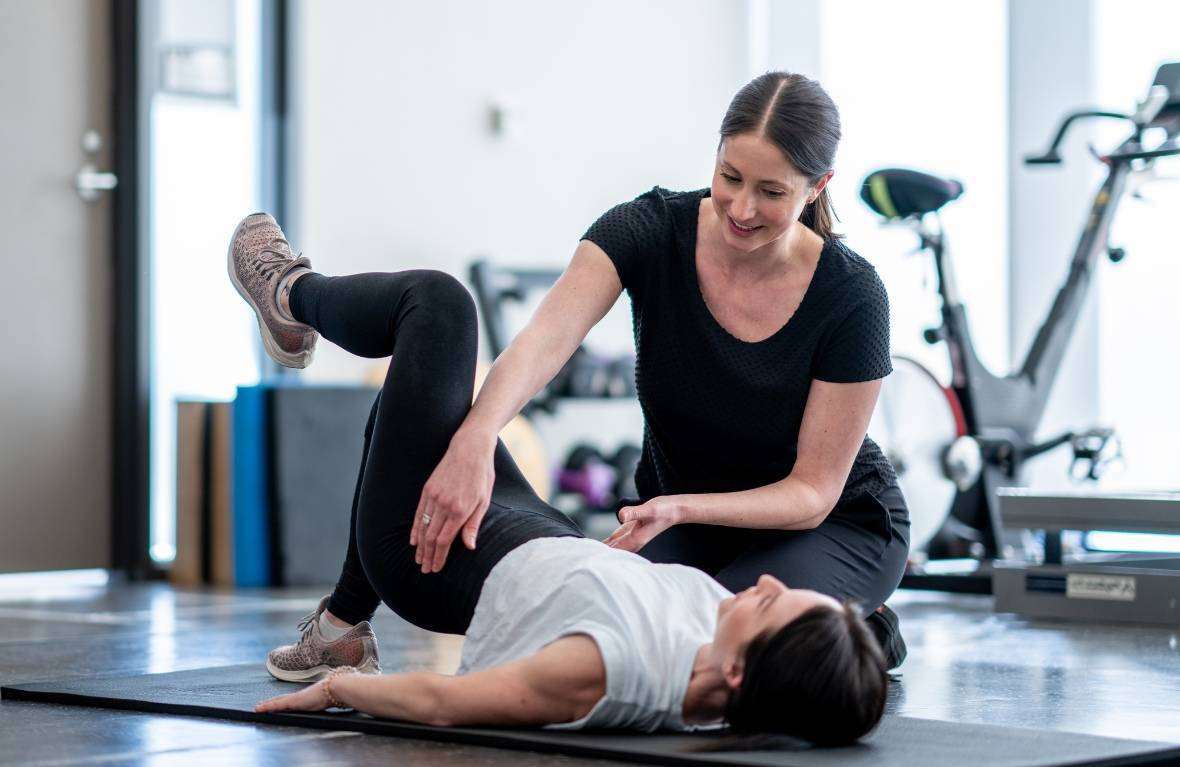
Hormonal changes are an inevitable part of a womans lifefrom puberty to pregnancy, postpartum, and menopause. These shifts impact not only your hormones but also your muscles, joints, mood, and overall well-being. Supporting your body through these changes is essential for maintaining health and quality of life, and physiotherapy is a powerful ally in this journey.
At YourFormsUX in Canada, we specialize in womens health physiotherapy designed to help you navigate hormonal transitions with strength, comfort, and confidence. Lets explore how physiotherapy supports your body through these changes and why it should be part of your wellness routine.
The Physical Effects of Hormonal Changes
Hormones like estrogen and progesterone influence many bodily functions. During hormonal transitions, you may experience:
Muscle weakness or tightness
Joint pain or instability
Changes in posture or alignment
Pelvic floor dysfunction
Fatigue and decreased endurance
These symptoms affect your mobility, comfort, and mood, making everyday activities challenging.
How Physiotherapy Helps During Hormonal Changes
1. Muscle and Joint Health
Physiotherapy addresses muscle imbalances and joint instability caused by fluctuating hormones. Through targeted exercises and manual therapy, physiotherapists restore strength, flexibility, and stability.
2. Posture and Alignment
Hormonal changes can affect connective tissue and joint laxity, leading to postural shifts that cause pain or discomfort. Physiotherapists correct these imbalances with postural retraining and ergonomic advice.
3. Pelvic Floor Care
Hormonal fluctuations impact pelvic floor muscles, leading to issues like incontinence or pelvic pain. Pelvic physiotherapy evaluates and treats these problems, improving muscle function and reducing symptoms.
4. Managing Fatigue
Hormonal changes often reduce energy levels. Physiotherapists guide gentle, progressive exercise programs that boost endurance without overexertion.
5. Mental Health Benefits
Physical therapy techniques such as relaxation exercises and breathing training help reduce anxiety and improve mood during hormonal shifts.
Customized Physiotherapy Plans for Every Stage
Whether youre dealing with puberty, pregnancy, postpartum recovery, or menopause, YourFormsUX creates individualized plans that address your unique hormonal needs. This personalized approach ensures safe, effective support that evolves with your body.
Why Choose YourFormsUX?
Our experienced physiotherapists combine clinical expertise with compassionate care, focusing on womens health and hormonal well-being. We educate and empower you to understand your body and take control of your health through every hormonal transition.
Takeaway
Hormonal changes are complex, but you dont have to face them alone. Physiotherapy offers a holistic solution to support your body, reduce discomfort, and maintain your quality of life through these natural transitions.
Ready to support your body through hormonal changes? Contact YourFormsUX in Canada and discover how physiotherapy can be your partner in wellness.