Supporting Your Hormonal Health with Physiotherapy and Targeted Exercises explores targeted strategies for recovery. Discover new paths to mobility, healing, and personalized care.

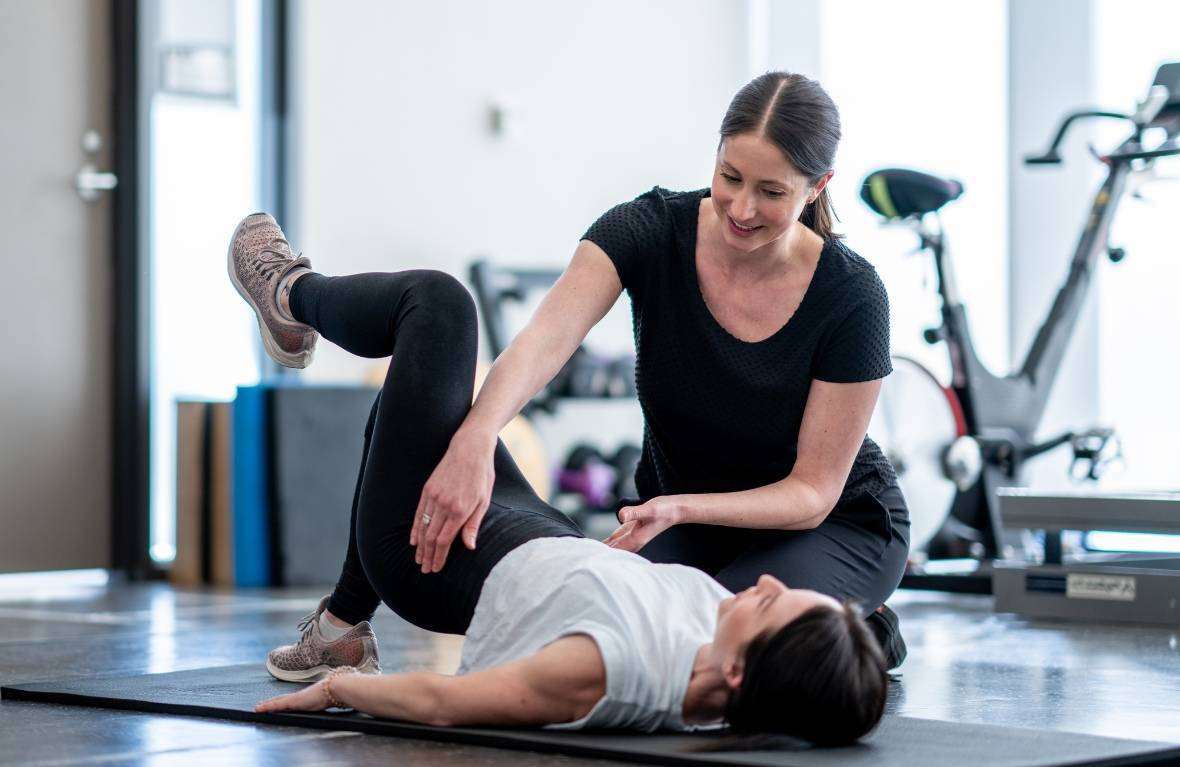
Hormonal health is the cornerstone of overall well-being for women, influencing everything from mood and energy levels to metabolism and reproductive function. When hormones fall out of balance, it can lead to a wide range of issues including fatigue, weight fluctuations, mood swings, and even chronic health conditions. While hormone therapy and medication are common treatment options, physiotherapy combined with targeted exercises offers a natural, effective way to support and improve hormonal health.
The Connection Between Physiotherapy and Hormonal Health
Physiotherapy is traditionally associated with rehabilitation after injury, but its benefits extend far beyond recovery. It plays a vital role in managing hormonal imbalances by addressing physical symptoms, improving circulation, reducing stress, and enhancing the bodys natural ability to regulate hormones.
Physiotherapists assess and treat musculoskeletal problems that can worsen with hormonal fluctuations, such as pelvic pain, back pain, or joint stiffness. They also create exercise programs that promote balance in the bodys endocrine systemthe network responsible for hormone production and regulation.
How Targeted Exercises Support Hormonal Balance
Exercise is one of the most effective natural ways to regulate hormones. However, not all exercises affect the body the same way, especially when it comes to hormonal health. Targeted exercise plans designed by physiotherapists focus on the specific needs of hormonal regulation and stress reduction.
Here are some types of exercises that physiotherapy emphasizes for hormonal support:
1. Strength Training
Building muscle mass is essential for hormonal balance, especially as women age. Strength training boosts metabolism, improves insulin sensitivity, and supports bone densityall of which are influenced by hormones like estrogen and testosterone. Physiotherapists guide proper form and progressive resistance to ensure safe and effective muscle building.
2. Aerobic Exercise
Moderate aerobic exercise, such as brisk walking, cycling, or swimming, enhances cardiovascular health and helps regulate hormones like cortisol and insulin. These exercises also stimulate the release of endorphins, promoting mental well-being and reducing stress.
3. Pelvic Floor Exercises
The pelvic floor muscles are closely linked to reproductive and urinary health, both of which are affected by hormonal changes. Physiotherapy focuses on strengthening and relaxing these muscles to prevent issues like incontinence and pelvic pain that often accompany hormonal imbalances.
4. Flexibility and Mobility Work
Gentle stretching and mobility exercises help reduce joint stiffness and improve circulation. These are particularly important during times of hormonal fluctuation when ligaments may become more lax and joints more prone to injury.
The Role of Physiotherapy in Stress Reduction
Chronic stress is one of the biggest disruptors of hormonal health. Elevated cortisol levels can interfere with reproductive hormones, thyroid function, and insulin regulation. Physiotherapy includes stress management techniques such as breathing exercises, progressive muscle relaxation, and posture correction to help calm the nervous system.
By reducing physical tension and improving posture, physiotherapy also alleviates symptoms like headaches, neck pain, and back pain that can be worsened by hormonal imbalances and stress.
Tailoring Physiotherapy for Specific Hormonal Conditions
Physiotherapy is highly adaptable and can be tailored to address various hormonal health issues, including:
Polycystic Ovary Syndrome (PCOS): Exercise improves insulin sensitivity and supports weight management. Pelvic floor therapy can address related pelvic pain.
Menopause: Focuses on bone health, cardiovascular fitness, and pelvic floor strength to combat common menopausal symptoms.
Thyroid Disorders: Helps manage fatigue and muscle weakness through gradual, guided exercise.
Premenstrual Syndrome (PMS): Reduces cramps, mood swings, and bloating through targeted exercises and relaxation techniques.
How to Get Started with Physiotherapy for Hormonal Health
If youre experiencing symptoms of hormonal imbalance, consulting a physiotherapist who understands female hormonal health is a great first step. They will perform a comprehensive assessment that includes:
Medical and hormonal history
Posture and musculoskeletal evaluation
Fitness and lifestyle assessment
Based on this, they will design a customized exercise program and provide manual therapy or other interventions as needed.
Integrating Lifestyle Changes for Best Results
Physiotherapy works best when combined with healthy lifestyle habits. To optimize hormonal health, consider:
Eating a balanced diet rich in whole foods, fiber, and healthy fats
Prioritizing quality sleep and consistent sleep schedules
Managing stress through mindfulness, meditation, or gentle movement
Avoiding excessive caffeine and alcohol consumption
Final Thoughts: Empower Your Hormonal Health
Hormonal health affects so many aspects of a womans life, but its also highly responsive to positive changes. Physiotherapy and targeted exercises provide a natural, effective way to support hormone balance, improve physical function, and enhance quality of life.
With professional guidance and a personalized approach, women can reduce symptoms, prevent complications, and regain control over their health. Its never too late to invest in your hormonal well-being through movement, care, and expert support.