Supporting Your Hormonal Wellness Through Exercise with Physiotherapy explores targeted strategies for recovery. Discover new paths to mobility, healing, and personalized care.

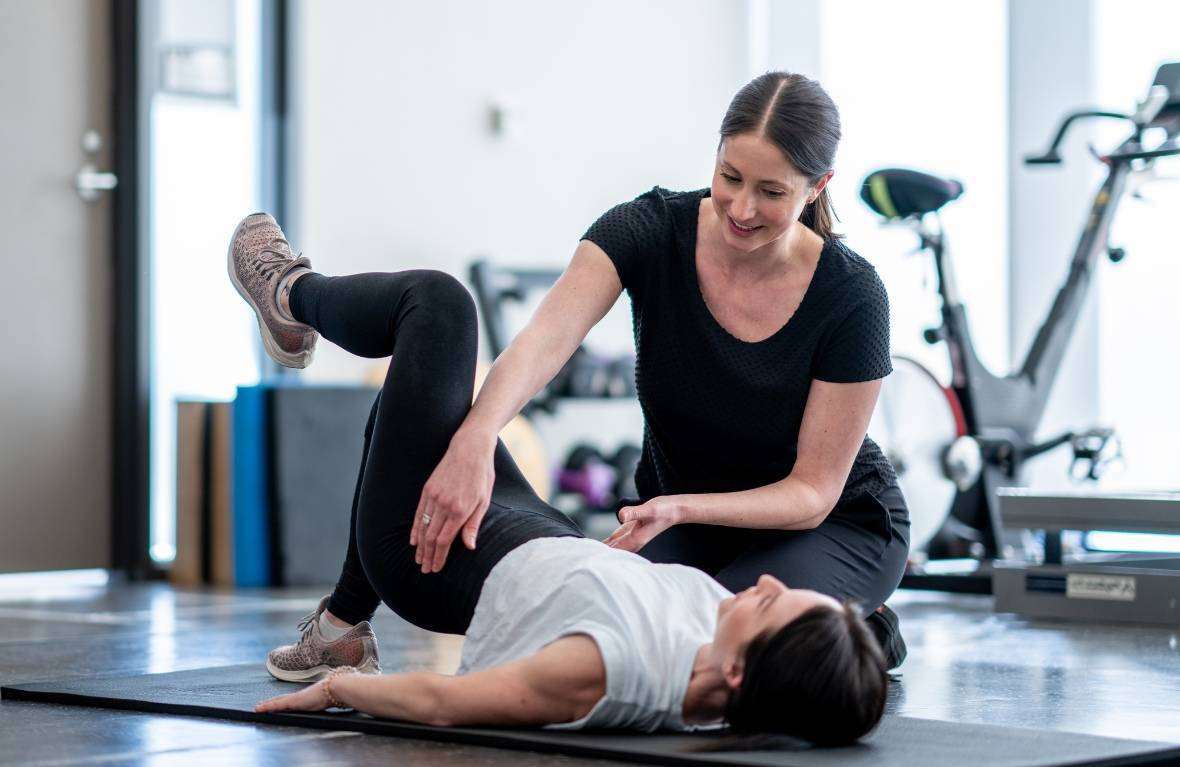
Hormonal wellness is the foundation of feeling balanced, energized, and healthy. But when hormones fall out of sync, you might experience fatigue, mood swings, weight gain, or other unwelcome symptoms. The good news? Exercise tailored with physiotherapy guidance can play a crucial role in supporting your hormonal health and overall wellness.
Why Hormonal Wellness Matters
Your hormones regulate everything from metabolism and mood to energy levels and reproductive health. When theyre balanced, your body operates smoothly. When they arent, it can feel like your body is working against you. Hormonal imbalances can result from stress, aging, diet, medical conditions, or lifestyle factors.
Exercise affects hormones directly boosting endorphins, regulating insulin sensitivity, and even influencing cortisol and estrogen levels. But the key is how you exercise. Not all workouts are created equal, especially when hormones are involved.
Physiotherapys Role in Hormonal Wellness
Physiotherapists specialize in understanding how your body moves and functions, including how hormonal changes impact your muscles, joints, and energy. They can design an exercise program that supports your hormonal wellness by:
Balancing Intensity and Recovery: Physiotherapy ensures you avoid overtraining, which can worsen hormonal imbalances and fatigue.
Personalizing Exercise Plans: From strength training to low-impact activities like Pilates and yoga, physiotherapists customize routines based on your unique needs.
Focusing on Core and Pelvic Floor Health: These areas are essential for hormonal wellness, especially for women, and physiotherapists provide specialized exercises.
Addressing Pain and Mobility Issues: Hormonal shifts often cause joint pain and stiffness; physiotherapy helps manage these symptoms so you can stay active.
Improving Posture and Alignment: Proper biomechanics support efficient hormone function and reduce physical stress.
Types of Exercise That Support Hormonal Health
Aerobic Exercise: Moderate cardio like walking, swimming, or cycling improves cardiovascular health, insulin sensitivity, and mood-regulating hormones.
Strength Training: Building lean muscle helps regulate metabolism and insulin function, critical for hormonal balance.
Flexibility and Mobility Work: Stretching and gentle movement ease joint pain and improve circulation.
Mind-Body Practices: Yoga and Pilates enhance relaxation, reduce cortisol, and support mental health.
When to Modify Exercise
Certain hormonal phases or conditions may require exercise modifications:
During menstrual periods or hormonal fluctuations, lower-impact, restorative workouts may be best.
For those with thyroid disorders or adrenal fatigue, avoiding high-intensity training until energy improves is crucial.
Pregnancy or postpartum stages demand specialized programs to maintain hormonal wellness safely.
The Long-Term Benefits of Exercise with Physiotherapy Support
Improved energy and mood stability
Enhanced sleep quality
Reduced symptoms of hormonal conditions like PCOS or menopause
Better weight management and metabolic health
Increased body awareness and confidence
Getting Started with YFS Canada
At YourFormsUX Canada, our physiotherapists are experts in womens health and hormonal wellness. Well help you develop a safe, effective exercise plan that aligns with your hormones and lifestyle, so you feel empowered every day.
Supporting your hormones through exercise is a journey and physiotherapy is the perfect partner along the way.