Supporting Your Menstrual Cycle and Hormonal Health with Physiotherapy explores targeted strategies for recovery. Discover new paths to mobility, healing, and personalized care.

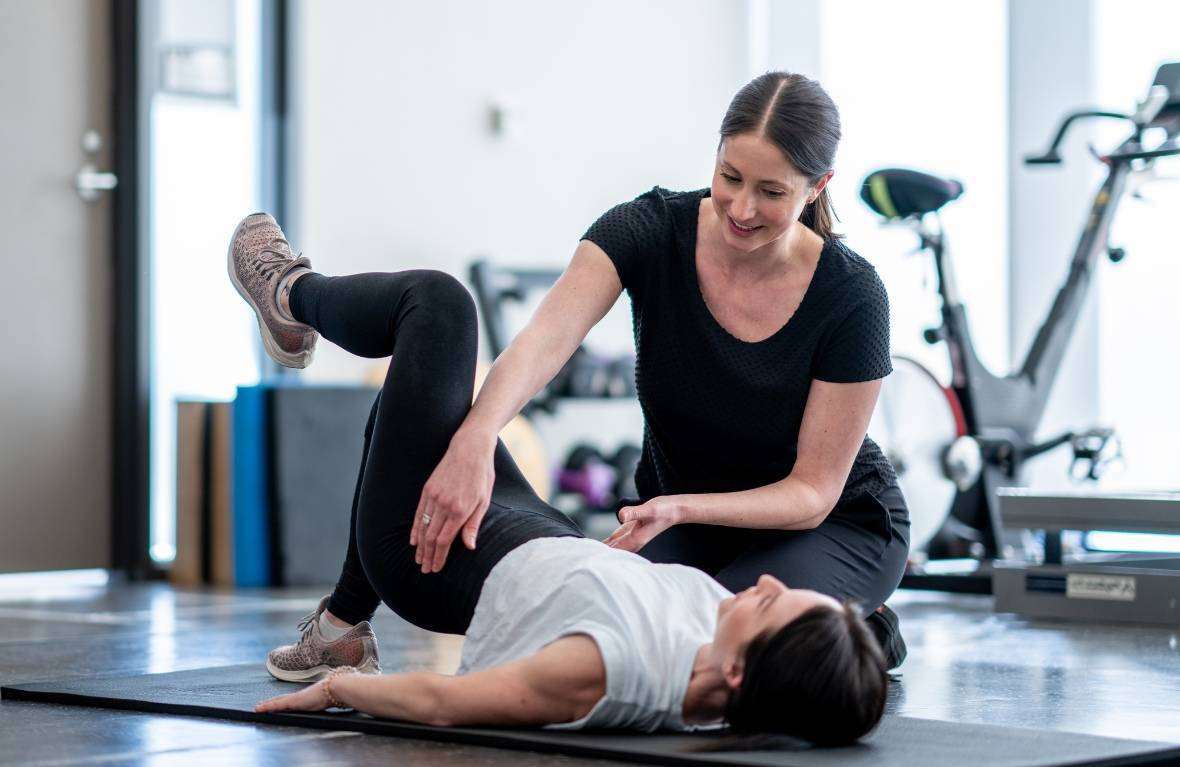
Your menstrual cycle is more than just a monthly eventits a complex symphony of hormonal changes that affect your body, mood, energy, and overall health. When your cycle feels off or comes with painful symptoms like cramps, irregularity, or fatigue, it can disrupt your daily life. Fortunately, physiotherapy offers targeted ways to support your menstrual cycle and hormonal health, helping you feel balanced, comfortable, and in control. At YourFormsUX in Canada, we believe in empowering you with physiotherapy strategies that work harmoniously with your body.
Understanding Your Menstrual Cycle and Hormones
The menstrual cycle is regulated by hormones such as estrogen, progesterone, luteinizing hormone (LH), and follicle-stimulating hormone (FSH). These hormones not only govern ovulation and menstruation but also influence your mood, metabolism, and energy levels.
When hormones are imbalanced, you might experience:
Painful cramps (dysmenorrhea)
Heavy or irregular bleeding
PMS symptoms like mood swings and bloating
Fatigue and low energy
How Physiotherapy Supports Menstrual and Hormonal Health
Physiotherapy approaches menstrual health holistically, addressing physical symptoms and supporting hormone regulation. Heres how:
Pelvic Floor Assessment and Rehabilitation
The pelvic floor muscles support your reproductive organs and play a significant role in menstrual comfort. Physiotherapists assess pelvic floor function, addressing issues such as muscle tightness, weakness, or tension that can contribute to pain or irregularity.
Manual Therapy for Pain Relief
Techniques such as myofascial release, trigger point therapy, and visceral manipulation help reduce pelvic and lower back pain often associated with menstruation. Releasing tension in these areas improves circulation and reduces cramping.
Postural Correction
Poor posture can increase strain on pelvic muscles and worsen menstrual discomfort. Physiotherapy focuses on improving posture and spinal alignment to ease muscle tension and enhance blood flow.
Exercise Prescription Aligned with Your Cycle
Tailored exercise programs can balance hormones and reduce menstrual symptoms. Physiotherapists guide you on when to engage in high-intensity versus restorative exercise based on your cycle phase, supporting hormonal equilibrium.
Breathing and Relaxation Techniques
Stress worsens hormonal imbalances and menstrual symptoms. Physiotherapy incorporates breathing exercises and relaxation methods that activate the parasympathetic nervous system, reducing stress and improving cycle regularity.
The Benefits of Physiotherapy for Menstrual Health
Reduced menstrual pain and cramps
Improved cycle regularity and hormonal balance
Enhanced pelvic floor strength and function
Decreased stress and improved mood
Better energy levels and quality of life
When to Seek Physiotherapy Support
If you experience any of the following, physiotherapy can be particularly helpful:
Chronic or severe menstrual pain
Irregular cycles or heavy bleeding
Pelvic floor dysfunction symptoms (e.g., urinary urgency or pain)
Persistent fatigue or mood disturbances related to your cycle
Desire for non-medication approaches to menstrual health
Final Thoughts
Your menstrual cycle is a vital sign of your overall health, and physiotherapy offers a gentle yet effective way to support it. At YourFormsUX, our specialized physiotherapists provide personalized care that addresses your unique needs, helping you feel more comfortable, balanced, and empowered every day of the month.