Movement-based therapy is a cornerstone of modern physiotherapy, focusing on restoring, im…

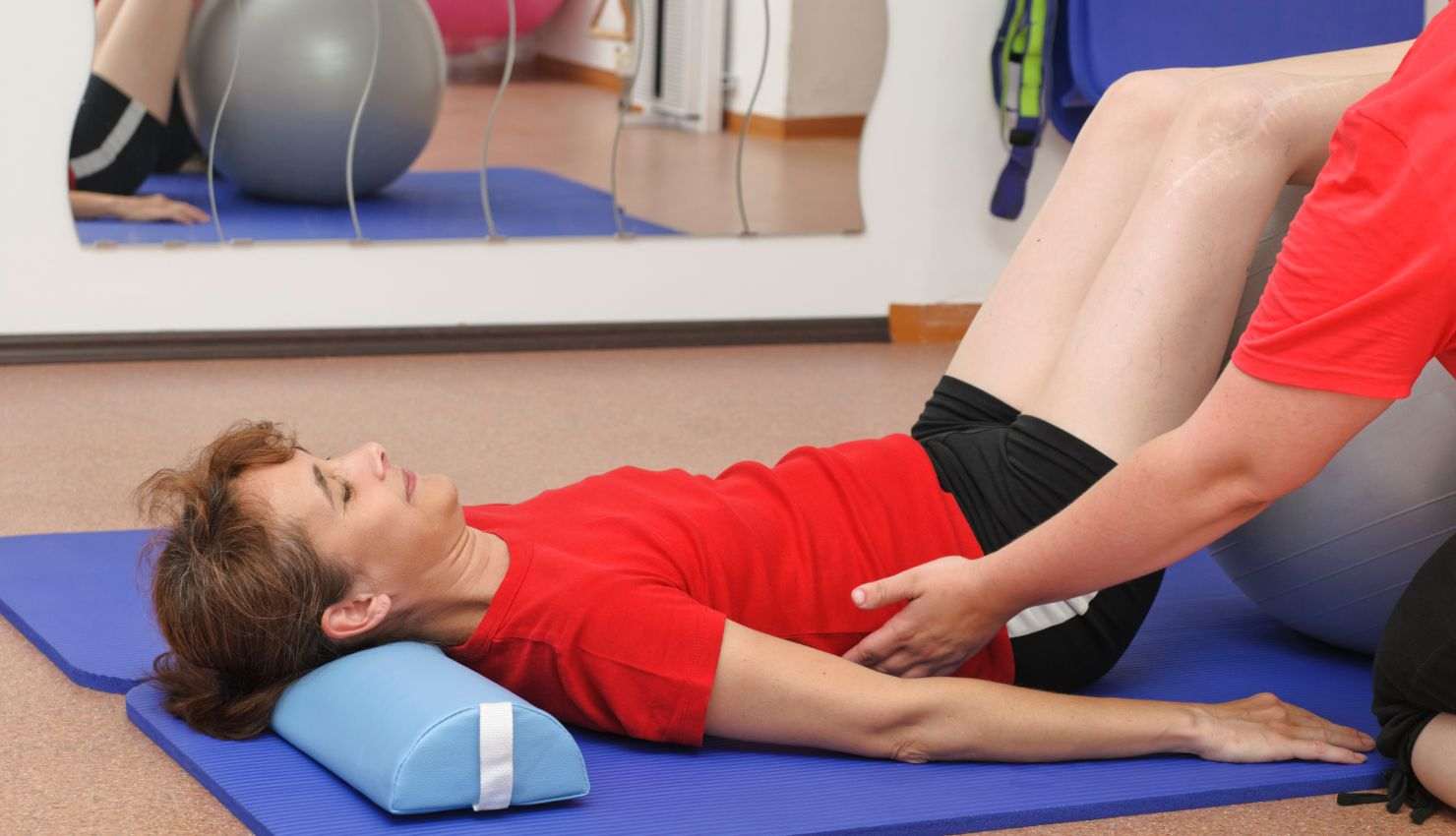
Movement-based therapy is a cornerstone of modern physiotherapy, focusing on restoring, improving, and optimizing physical function through intentional, guided physical activity. At Your Form Sux, we emphasize this approach because it targets not just the symptoms, but the root causes of musculoskeletal dysfunction, chronic pain, and limited mobility.
This blog explores the foundational principles, clinical applications, and health benefits of movement-based therapyessential reading for anyone considering physiotherapy or looking to better understand how therapeutic movement can transform recovery outcomes.
What Is Movement-Based Therapy?
Movement-based therapy in physiotherapy refers to a structured, functional, and evidence-informed exercise program designed to correct dysfunctional movement patterns, reduce pain, and enhance physical performance. Unlike passive modalities like heat, ultrasound, or electrical stimulation, this approach actively engages the patient in their rehabilitation.
At its core, movement therapy is built around the idea that the human body is designed for motion. When injury, poor posture, neurological issues, or sedentary lifestyles disrupt this natural function, movement therapy works to retrain the body using mobility drills, neuromuscular re-education, strength training, balance work, and functional task simulation.
Why Movement Matters in Physiotherapy
When integrated into a broader physiotherapy plan, movement-based therapy delivers long-term benefits that passive treatments alone cannot. Here are key reasons why movement is vital:
1. Targeted Recovery:
Movement-based physiotherapy targets specific muscle groups and joint mechanics. Whether its post-operative rehab, rotator cuff dysfunction, lower back pain, or a sports injury, structured movement addresses the unique biomechanics involved.
2. Neuromuscular Re-education:
Movement retrains the brain-body connection, especially after injury or immobilization. This is particularly important in stroke rehabilitation or after orthopedic surgery.
3. Improved Mobility and Flexibility:
Controlled movement enhances joint range of motion and muscular flexibility, reducing stiffness and improving daily function.
4. Chronic Pain Management:
Evidence supports movement therapy for managing chronic pain conditions like fibromyalgia, osteoarthritis, and sciatica. Functional movement desensitizes pain receptors and rewires movement patterns that contribute to pain.
5. Injury Prevention:
By correcting posture, strengthening weak areas, and improving coordination, movement-based therapy helps prevent recurrent injuries and improves resilience.
Common Conditions Treated with Movement Therapy
At Your Form Sux, we apply movement-based therapy to a wide range of physical health challenges, including:
Lower back and neck pain
Shoulder impingement
ACL or meniscus rehab
Post-surgical rehabilitation
Tendonitis and bursitis
Stroke and neurological recovery
Pelvic floor dysfunction
Age-related balance and mobility issues
Our registered physiotherapists use movement assessment tools and functional diagnostics to craft highly personalized treatment plans based on your condition, lifestyle, and goals.
What Does a Movement-Based Session Look Like?
A typical movement-based physiotherapy session may begin with a functional movement assessment to identify imbalances, compensations, or biomechanical faults. From there, your physiotherapist will introduce:
Mobility drills to improve joint range
Stabilization exercises for core and joint integrity
Balance training to reduce fall risk
Resistance training using bodyweight or equipment
Gait retraining for those with walking abnormalities
Neuromuscular cues to reinforce correct motor patterns
These exercises are often modified in real-time based on your response, pain level, and fatigue threshold. Youre not just movingyoure learning how to move better, with less strain and more control.
Movement-Based Therapy vs. Passive Treatments
While passive therapies such as TENS, ice/heat, or massage can offer temporary relief, they rarely create lasting change on their own. Movement-based therapy complements these tools by addressing functional limitations at the source. For example:
Instead of just masking knee pain with ice, movement therapy strengthens surrounding musculature and optimizes alignment.
Rather than just treating sciatica with electrotherapy, targeted glute and core activation drills relieve pressure on the sciatic nerve through improved posture and spinal mechanics.
This active approach aligns with the Canadian physiotherapy standard of care, emphasizing patient participation, progressive loading, and long-term mobility gains.
The Role of Education and Patient Empowerment
One of the defining features of movement-based physiotherapy is education. Our clinicians dont just guide you through movementsthey teach you how and why to do them. This empowerment leads to better adherence, faster recovery, and sustained health outcomes.
Whether you’re recovering from surgery or managing a chronic condition, understanding how your body movesand how to move correctlyturns you from a passive patient into an active participant in your own care.
Choosing the Right Physiotherapy Clinic in Canada
If you’re seeking a clinic that integrates movement-based therapy into a holistic, results-driven plan, its essential to evaluate:
Whether the clinic customizes treatment protocols based on individual movement assessments
The presence of credentialed physiotherapists experienced in exercise rehabilitation
The clinics use of outcome-based measurement tools to track progress
Access to equipment or facilities that support active rehabilitation
A track record of treating your specific condition through active therapy methods
Your Form Sux stands out in the Canadian physiotherapy landscape by combining cutting-edge diagnostic tools, individualized movement therapy programs, and a no-nonsense, results-first approach to patient care.
Final Thoughts: Movement Is Medicine
Movement-based therapy is more than just exercise. Its a clinically grounded, patient-focused methodology that restores movement literacy, builds strength, alleviates pain, and supports long-term wellness. For patients who are serious about reclaiming control over their physical health, it offers a proven path forward.
If you’re dealing with injury, pain, or physical limitations, dont wait. Book a consultation at Your Form Sux today to begin your customized movement-based physiotherapy journey. Lets get you movingnot just more, but better.