The Benefits of Acupuncture for Reducing Muscle and Joint Pain explores targeted strategies for recovery. Discover new paths to mobility, healing, and personalized care.

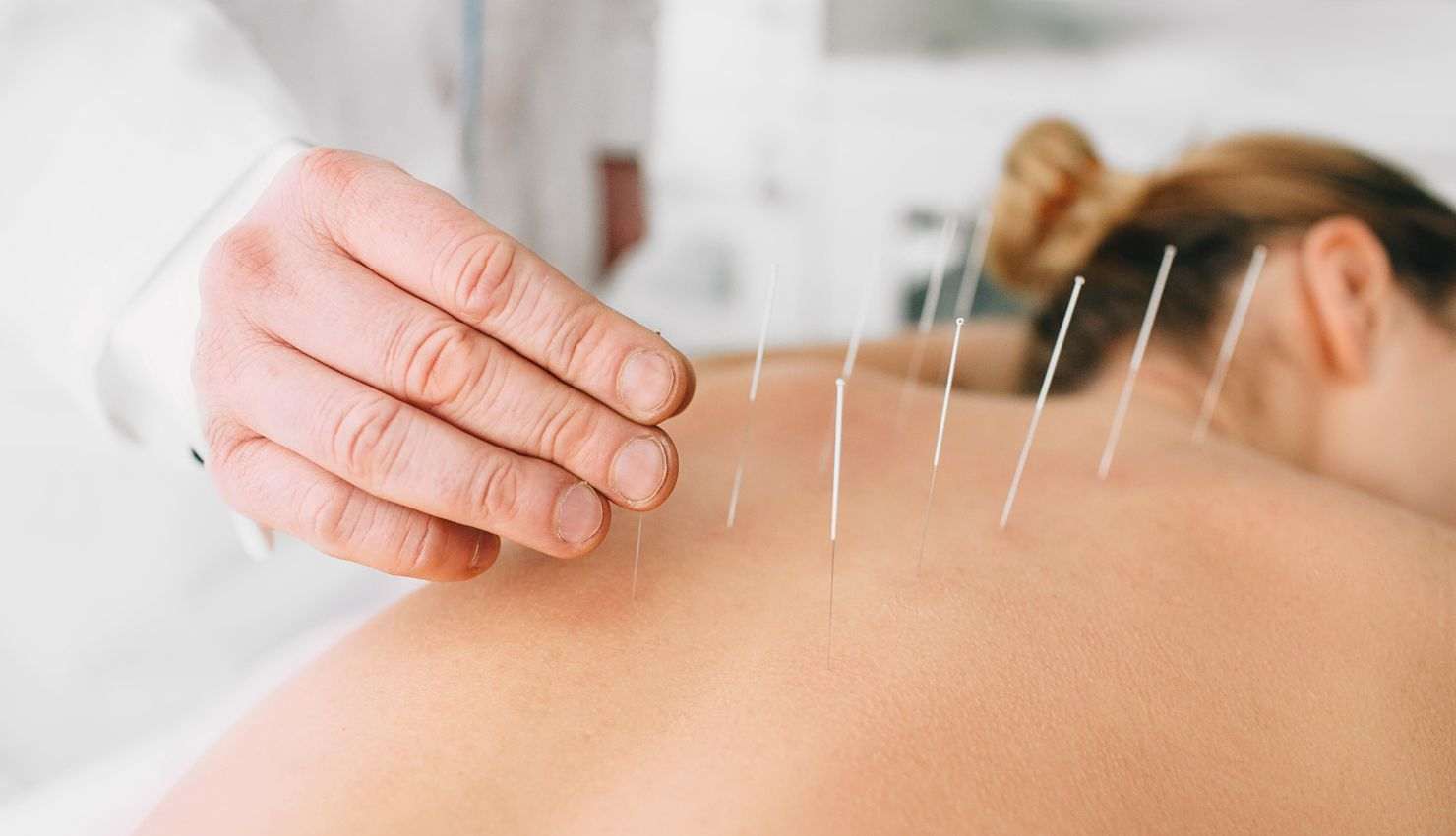
Muscle and joint pain are among the most common physical complaints, affecting people of all ages and lifestyles. Whether the cause is injury, overuse, arthritis, or chronic tension, pain in the muscles or joints can limit mobility, reduce quality of life, and lead to emotional stress. While pain medications or surgery are often used, they dont always provide lasting reliefand may come with risks or side effects. Acupuncture, an integral therapy in Traditional Chinese Medicine (TCM), offers a natural, effective solution for reducing muscle and joint pain while supporting the bodys natural healing mechanisms.
Acupuncture targets the root causes of pain by restoring energy flow, reducing inflammation, relaxing tense muscles, and improving circulation. Unlike temporary symptom relief, this holistic therapy treats the body as a whole and promotes long-term recovery without dependency or invasiveness.
Understanding Muscle and Joint Pain in TCM
In TCM, muscle and joint pain is viewed as a disruption in the flow of Qi (vital energy) and blood in the bodys meridians. Pain occurs when this flow is blocked by factors such as:
Trauma or overuse
Poor posture or repetitive strain
Cold or damp accumulation in the joints
Qi or blood deficiency from aging or chronic illness
Emotional tension that tightens muscles and restricts flow
Acupuncture stimulates specific points along the meridians to correct these imbalances, release blockages, and restore harmony. When Qi and blood flow properly, pain eases, and mobility improves.
How Acupuncture Relieves Muscle and Joint Pain
Acupuncture helps reduce pain and inflammation by engaging multiple systems within the body. The effects are both local and systemic, offering relief from a wide range of musculoskeletal complaints.
1. Stimulates Natural Painkillers
Acupuncture encourages the release of endorphins and enkephalinsneurochemicals that act as the bodys natural pain-relief agents. This reduces pain perception and supports a relaxed, comfortable state.
2. Reduces Inflammation
By modulating immune responses and decreasing the production of pro-inflammatory cytokines, acupuncture helps calm inflamed joints and tissues. This is particularly helpful for arthritis or soft tissue injuries.
3. Relaxes Muscles and Fascia
Chronic tension often creates knots or adhesions in muscle and fascia, limiting mobility and increasing pain. Acupuncture releases these tight areas by improving blood flow and interrupting nerve signals that maintain tension.
4. Improves Circulation
Healthy blood flow is essential for muscle and joint health. Acupuncture dilates local blood vessels, enhancing nutrient delivery and waste removal. This accelerates healing and reduces stiffness.
Common Conditions Treated
Acupuncture is used successfully for a wide variety of conditions involving muscle and joint pain, such as:
Arthritis (rheumatoid and osteoarthritis)
Tendinitis and bursitis
Frozen shoulder and rotator cuff injuries
Sciatica and lower back pain
Neck and shoulder tension
Fibromyalgia
Sports injuries (strains, sprains, overuse)
By addressing both the physical and energetic root causes of pain, acupuncture helps reduce discomfort, increase flexibility, and prevent recurrence.
Local and Distal Points for Comprehensive Relief
Acupuncturists often use a combination of local points (near the site of pain) and distal points (far from the painful area but energetically connected). For example, someone with knee pain might be treated locally around the joint and also at points on the opposite arm or leg to influence the kidney and stomach meridians.
This whole-body approach ensures that underlying energetic imbalanceslike liver Qi stagnation or spleen deficiencyare corrected alongside physical pain.
Acupuncture for Chronic Pain Management
Chronic pain, whether from past injury or degenerative conditions, often responds particularly well to acupuncture. Because it works by calming the nervous system and restoring balance rather than simply masking pain, it offers long-term benefits:
Decreased dependence on pain medications
Improved sleep and mood
Better mobility and physical function
Lower frequency and intensity of flare-ups
Regular treatments over several weeks often produce cumulative effects, reducing baseline pain levels and improving overall well-being.
Enhancing Results with Complementary Techniques
In addition to traditional acupuncture, therapists may use supportive techniques to enhance pain relief:
Electroacupuncture: Gentle electrical pulses increase stimulation at pain sites
Cupping therapy: Mobilizes blood flow and releases muscle tightness
Moxibustion: Heat therapy to dispel cold and dampness from painful joints
Gua Sha: Scraping technique to break down adhesions and stagnation
These therapies deepen the effects of acupuncture and can accelerate recovery.
Addressing Emotional Tension in Pain Relief
Pain isnt just physicalit often carries an emotional weight. Anxiety, depression, or chronic stress can increase muscle tension and lower pain thresholds. Acupuncture helps balance the Heart, Liver, and Spleen meridians to:
Calm the mind
Ease frustration and irritability
Support emotional resilience
Improve nervous system regulation
This emotional balancing reduces stress-related muscle tension and makes physical recovery more complete.
What to Expect During and After Treatment
Acupuncture sessions for pain typically include:
A consultation to understand your symptoms and overall health
Placement of very thin, sterile needles at selected points
A 2040 minute rest period during which many people feel deep relaxation
Gradual release of tension and improved movement after treatment
Most clients experience some improvement after just a few sessions, with deeper, lasting relief over a full course of treatments.
Supporting Your Recovery at Home
To enhance acupunctures effects for muscle and joint pain, its important to:
Stay hydrated to support tissue healing
Stretch regularly to maintain flexibility
Apply heat or cold as recommended
Maintain good posture and ergonomics
Avoid overexertion during recovery
Get quality sleep to promote cellular repair
Your acupuncturist may also recommend lifestyle changes or nutritional support to complement your healing journey.
Final Thoughts: A Natural Path to Pain-Free Living
Acupuncture offers a powerful, holistic approach to reducing muscle and joint painwithout drugs, surgery, or side effects. By restoring the bodys natural energy flow, calming inflammation, and releasing tension, this therapy promotes not only pain relief but also long-term healing and renewed mobility.
If youre tired of temporary solutions and ready to explore a deeper level of wellness, acupuncture provides a safe and effective path to feeling better in your bodynaturally, gently, and sustainably.