Muscle tension can be a stubborn roadblock in your physiotherapy journey. Those tight, knotted muscles not only cause discomfort but also limit your range of motion, slow your progress, and make exercises more challenging.

Muscle tension can be a stubborn roadblock in your physiotherapy journey. Those tight, knotted muscles not only cause discomfort but also limit your range of motion, slow your progress, and make exercises more challenging.
Thats why many physiotherapy patients are turning to acupuncturea natural, effective therapy known for its ability to relax tense muscles, reduce pain, and enhance overall healing.
Lets explore how acupuncture works alongside physiotherapy to help your muscles loosen up and your body move better.
?? Why Muscle Tension Happens
Muscle tension can result from:
Injury or overuse
Stress and anxiety
Poor posture or repetitive movements
Inflammation or nerve irritation
Scar tissue or trigger points
When muscles stay tight, they reduce blood flow, create pain, and limit flexibilitymaking physiotherapy exercises more difficult and sometimes less effective.
?? How Acupuncture Relaxes Muscles
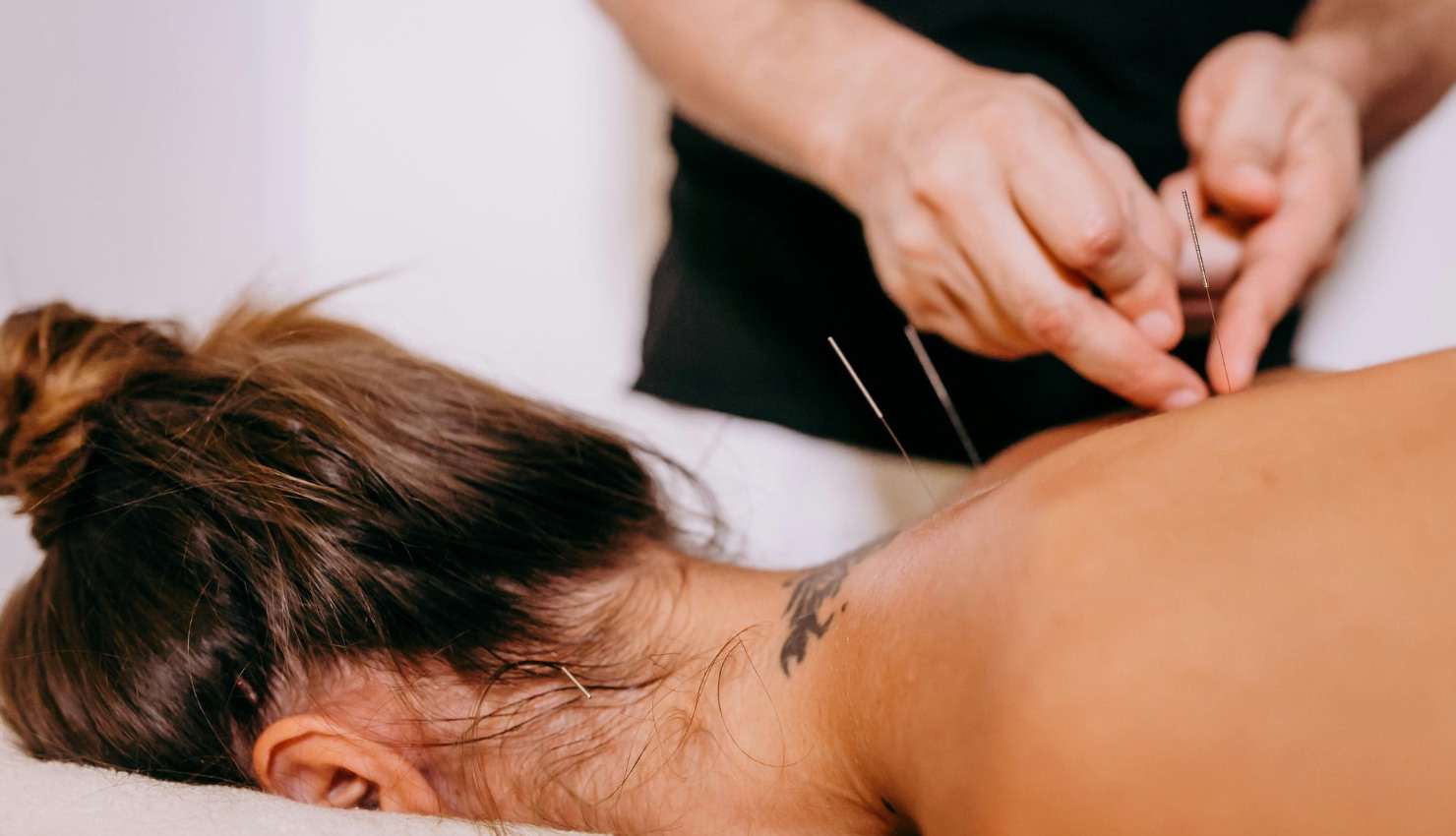
Acupuncture involves inserting ultra-fine needles at specific points on your body to stimulate natural healing. Heres how it helps muscles relax:
?? 1. Releases Trigger Points and Knots
Needles target tight spots (trigger points) causing muscle knots, encouraging them to release and soften.
?? 2. Increases Local Blood Flow
Acupuncture improves circulation to tense muscles, delivering oxygen and nutrients while flushing out metabolic waste, helping muscles recover and relax.
?? 3. Calms the Nervous System
Stress and pain cause your muscles to stay in a heightened state of tension. Acupuncture activates the parasympathetic nervous system (your rest and digest mode), signaling muscles to relax.
?? 4. Reduces Inflammation
Inflamed muscles are often tight muscles. Acupuncture helps regulate the immune response, reducing inflammation and easing muscle stiffness.
?? Complementing Physiotherapy with Acupuncture
Acupuncture reduces muscle tension, making it easier to perform physio exercises and stretches.
It supports faster recovery by improving tissue health.
Patients often find that acupuncture enhances their overall sense of well-being during rehab.
?? What to Expect During Acupuncture Treatment
Your practitioner will assess areas of tension and pain.
Fine needles will be gently inserted into targeted muscles and related points.
Sessions usually last 2040 minutes and feel deeply relaxing.
Many patients notice muscle relaxation immediately or over a few treatments.
? Final Thoughts: Loosen Up and Heal Better
Tense muscles dont have to hold you back. Acupuncture offers a gentle, drug-free way to release tension, reduce pain, and support your physiotherapy progresshelping you move with greater ease and confidence.
Ready to Experience Muscle Relaxation Naturally?
Ask your physiotherapist or acupuncturist about adding acupuncture to your rehab plan. Because healing is easier when your muscles are relaxed.