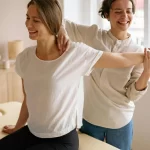
The Benefits of Combining Relaxation and Active Movement for Recovery explores targeted strategies for recovery. Discover new paths to mobility, healing, and personalized care.


When it comes to healing from an injury, managing chronic pain, or simply getting back to feeling like yourself, most people fall into one of two camps:
?? I need to rest and take it easy.
?? I need to push through and keep moving.
But heres the truth: the sweet spot is right in the middle.
Combining relaxation and active movement creates a powerful synergy that supports faster healing, better mobility, and greater emotional balance. Its not about choosing one over the other its about letting them work together to guide your body back to health.
?? Why Balance Is the Key to Recovery
Your body is designed to move but also to rest. Both are essential, and both play unique roles in the recovery process:
Active movement promotes blood flow, joint lubrication, and muscle strength all crucial for healing.
Relaxation helps your nervous system switch out of fight-or-flight and into rest-and-repair, where real tissue healing happens.
When you combine the two, you create an environment where your body is both supported and challenged and thats where recovery thrives.
?? The Benefits of Combining Relaxation with Movement
? 1. Reduces Muscle Tension and Inflammation
Gentle movement helps flush out toxins and improve circulation. When paired with deep breathing or progressive muscle relaxation, it also calms the nervous system which reduces inflammation and promotes muscle recovery.
? 2. Enhances Mind-Body Connection
Relaxation practices (like mindful breathing or body scanning) improve your awareness of how your body feels and moves. This makes active movement more effective because you’re tuned into your posture, alignment, and limits.
? 3. Builds Confidence and Reduces Fear of Movement
Pain often causes people to stiffen up or avoid activity. Combining movement with calming practices helps reduce fear and reintroduce motion gently, which rebuilds trust in your body and encourages long-term mobility.
? 4. Improves Sleep and Energy Levels
Active movement helps tire the body in a healthy way, while relaxation prepares it for rest. Together, they support better sleep which is essential for muscle repair, joint recovery, and emotional resilience.
? 5. Supports Emotional Well-Being During Recovery
Recovery isnt just physical its emotional. Mixing movement with stillness helps regulate mood, manage frustration, and prevent burnout. It creates a sense of progress and peace.
????? Simple Ways to Combine Relaxation and Movement
You dont need to overhaul your routine just sprinkle in small changes. Heres how:
Start with Breathwork
? Take 35 deep breaths before your physiotherapy exercises.
This signals your body to relax and preps the nervous system for smoother movement.
Use Active Recovery Days
? Walks, gentle yoga, tai chi, or light stretching keep your body moving without overloading it.
Perfect for between more intense rehab sessions.
End with Stillness
? After a workout or therapy session, lie down and do a short body scan or guided meditation.
This helps shift from activity to recovery mode.
Pair Movement with Mindfulness
? While performing rehab exercises, focus fully on the motion, your breath, and how your body feels.
It turns movement into a calming, purposeful practice not just a task to check off.
?? Real-Life Example
Lets say someone is recovering from a knee injury. Their physio plan includes strengthening, mobility work, and balance training. By starting each session with breathwork and ending with guided relaxation, they feel less anxious, more in tune with their movements, and report less post-session soreness.
Thats not just rehab thats holistic healing.
?? Final Thoughts: Recovery That Feels Good
You dont have to choose between working hard and resting well. You can do both and when you combine relaxation with active movement, youre not just healing faster, youre healing better.
Because recovery isnt about doing more its about doing what your body needs. And sometimes, thats a stretch followed by stillness. A lunge followed by a long, deep breath. A walk followed by a moment of gratitude.
Thats the balance your body has been asking for. ??