Muscle tension can cause significant pain and discomfort, limiting mobility and interfering with daily activities. Conditions like chronic muscle pain, trigger points (muscle knots), tension headaches, and myofascial pain syndrome can all result from muscle tension.

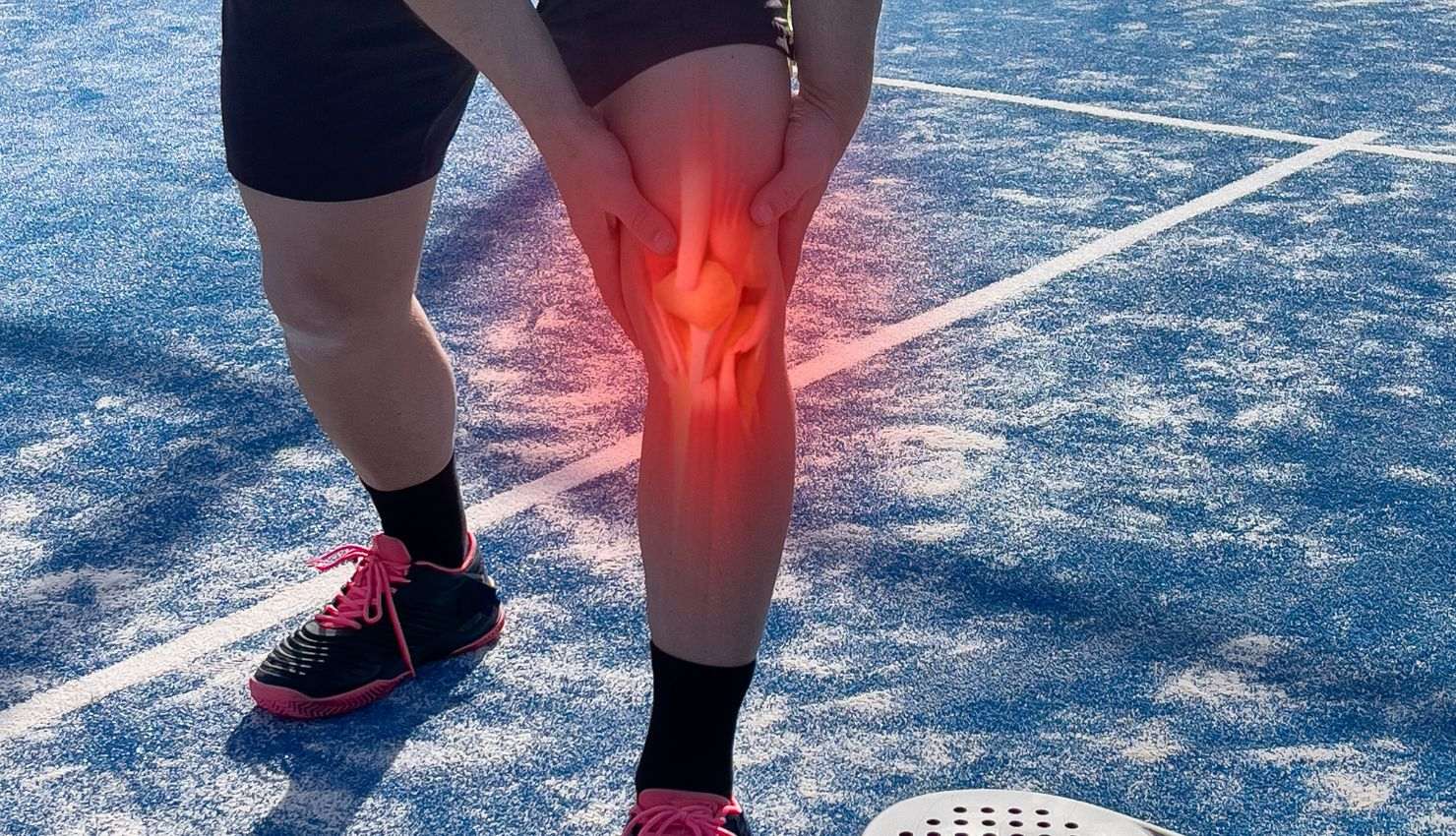
Muscle tension can cause significant pain and discomfort, limiting mobility and interfering with daily activities. Conditions like chronic muscle pain, trigger points (muscle knots), tension headaches, and myofascial pain syndrome can all result from muscle tension. Dry needling is a therapeutic technique used by physiotherapists and other healthcare professionals to treat pain caused by muscle tension, particularly in cases where muscle knots or tightness are present.
Dry needling involves the insertion of thin needles into specific muscle tissues or trigger points to relieve pain, reduce muscle tightness, and promote healing. While it is similar to acupuncture, it specifically targets tight or knotted muscles rather than focusing on the body’s energy pathways.
Here are the key benefits of dry needling for pain from muscle tension:
### **1. Relieving Muscle Tension and Trigger Points**
One of the most common uses of dry needling is to address muscle tension, particularly in the form of trigger points. Trigger points are areas of tight, contracted muscle fibers that can cause local pain and referred pain in other parts of the body. These points often develop due to muscle overuse, poor posture, or stress.
#### **How Dry Needling Helps:**
* **Releases Muscle Knots**: When the needle is inserted into a trigger point, it causes a twitch response that helps to release the contracted muscle fibers. This release helps the muscle relax and reduces the knot’s intensity, leading to pain relief.
* **Decreases Muscle Spasms**: Dry needling helps to interrupt the cycle of muscle spasms and tightness by stimulating the muscle fibers and promoting relaxation.
* **Improves Blood Flow**: The needling process promotes blood flow to the affected muscle, which aids in the removal of metabolic waste and enhances the delivery of nutrients and oxygen to the tissues, supporting healing.
By targeting the exact source of the tension, dry needling helps to reduce muscle tightness and the associated pain.
—
### **2. Enhancing Muscle Function and Mobility**
Muscle tension often limits a persons range of motion (ROM) and functional mobility. Dry needling can restore normal muscle function by improving flexibility and reducing stiffness.
#### **How Dry Needling Improves Mobility:**
* **Restores Normal Muscle Length**: By deactivating trigger points and relaxing tight muscles, dry needling helps restore the muscle to its normal length and elasticity. This improves the muscles ability to contract and stretch, enhancing movement.
* **Increases Joint Range of Motion**: Tight muscles around a joint can restrict movement and contribute to pain. Dry needling alleviates muscle tightness, allowing for smoother and more pain-free movement in the affected joint.
* **Enhances Functional Movement**: When muscle tension is reduced and mobility is restored, the body moves more freely, allowing for improved function during activities like walking, lifting, or exercising.
Improving muscle function and mobility helps reduce the limitations caused by muscle tension and supports better movement patterns.
—
### **3. Reducing Pain and Improving Quality of Life**
Muscle tension and associated pain can significantly impact a persons quality of life, causing discomfort during daily tasks, sleep disturbances, and decreased activity levels. Dry needling helps provide long-lasting pain relief, promoting an improved sense of well-being.
#### **How Dry Needling Alleviates Pain:**
* **Interrupts Pain Signals**: When the needle is inserted into the muscle, it disrupts the pain signals being sent to the brain, reducing the perception of pain. This effect is similar to a temporary pain blocker that provides immediate relief.
* **Stimulates Endorphin Release**: Dry needling can stimulate the release of endorphins, the bodys natural pain-relieving chemicals. These endorphins provide a sense of well-being and help reduce the intensity of muscle pain.
* **Addresses Chronic Pain**: For individuals dealing with chronic muscle pain, such as in myofascial pain syndrome or fibromyalgia, dry needling can offer lasting relief by reducing muscle tension and improving circulation, which helps manage long-term discomfort.
By addressing the underlying cause of muscle pain, dry needling provides effective, lasting relief and improves overall quality of life.
—
### **4. Promoting Tissue Healing**
Muscle tension and injury can lead to impaired healing and prolonged discomfort. Dry needling helps to accelerate the healing process by improving blood flow and stimulating the body’s natural repair mechanisms.
#### **How Dry Needling Facilitates Healing:**
* **Increases Circulation**: The insertion of needles promotes blood flow to the affected muscle and surrounding tissues, helping to remove waste products and deliver nutrients and oxygen needed for healing.
* **Stimulates Cellular Repair**: Dry needling encourages the regeneration of damaged tissues by promoting the activity of fibroblasts, the cells responsible for collagen production and tissue repair.
* **Reduces Inflammation**: In cases of muscle injury or tension, dry needling can help reduce local inflammation and swelling, which accelerates recovery and minimizes pain.
By promoting circulation and stimulating tissue repair, dry needling speeds up the healing process, helping to reduce pain and prevent future injury.
—
### **5. Enhancing Muscle Relaxation and Reducing Stress**
Muscle tension is often exacerbated by stress, which causes the muscles to tighten and become more prone to pain and discomfort. Dry needling not only targets physical muscle tension but can also help reduce the effects of psychological stress.
#### **How Dry Needling Reduces Stress:**
* **Promotes Relaxation**: The needle insertion stimulates the nervous system and can activate the parasympathetic nervous system, which helps the body relax. This relaxation response can have a calming effect on the body and mind, reducing the stress that often contributes to muscle tension.
* **Decreases Cortisol Levels**: Dry needling may help reduce cortisol (the stress hormone) levels in the body, which further contributes to relaxation and reduces the cycle of muscle tension related to stress.
By relaxing both the muscles and the nervous system, dry needling helps manage stress and reduce the physical tension caused by it.
—
### **6. Preventing Recurrence of Muscle Tension**
For individuals who experience frequent episodes of muscle tension, dry needling can help prevent the recurrence of pain by addressing the root causes and restoring normal muscle function.
#### **How Dry Needling Prevents Future Pain:**
* **Corrects Muscle Imbalances**: Chronic muscle tension often arises from imbalances between overactive and underactive muscles. Dry needling can help release tight muscles and allow for proper movement, reducing the likelihood of further tension.
* **Restores Proper Muscle Function**: Dry needling helps ensure that the muscles are functioning optimally and supporting proper movement patterns. This reduces the risk of developing muscle tightness and pain in the future.
* **Improves Flexibility and Strength**: By restoring normal muscle length and improving strength and flexibility, dry needling can help reduce the strain on the muscles, preventing future episodes of tension and pain.
Dry needling helps reduce the likelihood of recurrent muscle tension by restoring balance and proper function to the affected muscles.
—
### **7. Complementing Other Therapies**
Dry needling can be combined with other physiotherapy techniques, such as stretching, strengthening exercises, manual therapy, and posture correction, to enhance the overall effectiveness of treatment.
#### **How Dry Needling Complements Other Therapies:**
* **Enhanced Stretching and Strengthening**: By reducing muscle tightness and improving flexibility, dry needling makes it easier for patients to perform stretching and strengthening exercises. This enhances the overall rehabilitation process and helps prevent future muscle tension.
* **Works in Conjunction with Manual Therapy**: Dry needling can be used alongside other hands-on techniques, such as soft tissue mobilization or joint mobilizations, to provide comprehensive pain relief and improve muscle function.
* **Improves Exercise Tolerance**: By alleviating pain and reducing muscle tightness, dry needling helps individuals tolerate more intense physical therapy exercises, accelerating recovery and improving outcomes.
Dry needling serves as a valuable adjunct to other therapeutic approaches, providing a more comprehensive treatment plan.
—
### **Conclusion**
Dry needling is a highly effective treatment for muscle tension and related pain. By targeting trigger points, improving blood flow, reducing muscle tightness, and promoting relaxation, dry needling provides significant pain relief and accelerates the healing process. Whether you’re dealing with acute muscle strain, chronic muscle pain, or stress-related tension, dry needling can offer long-term benefits, improving flexibility, strength, and overall well-being. When combined with other physiotherapy treatments, dry needling can enhance the effectiveness of rehabilitation, making it an essential tool in managing muscle tension and pain. If you’re struggling with muscle-related pain, consulting a physiotherapist skilled in dry needling can help you find the relief you need.