The Benefits of Gentle Yoga for Restoring Flexibility explores targeted strategies for recovery. Discover new paths to mobility, healing, and personalized care.

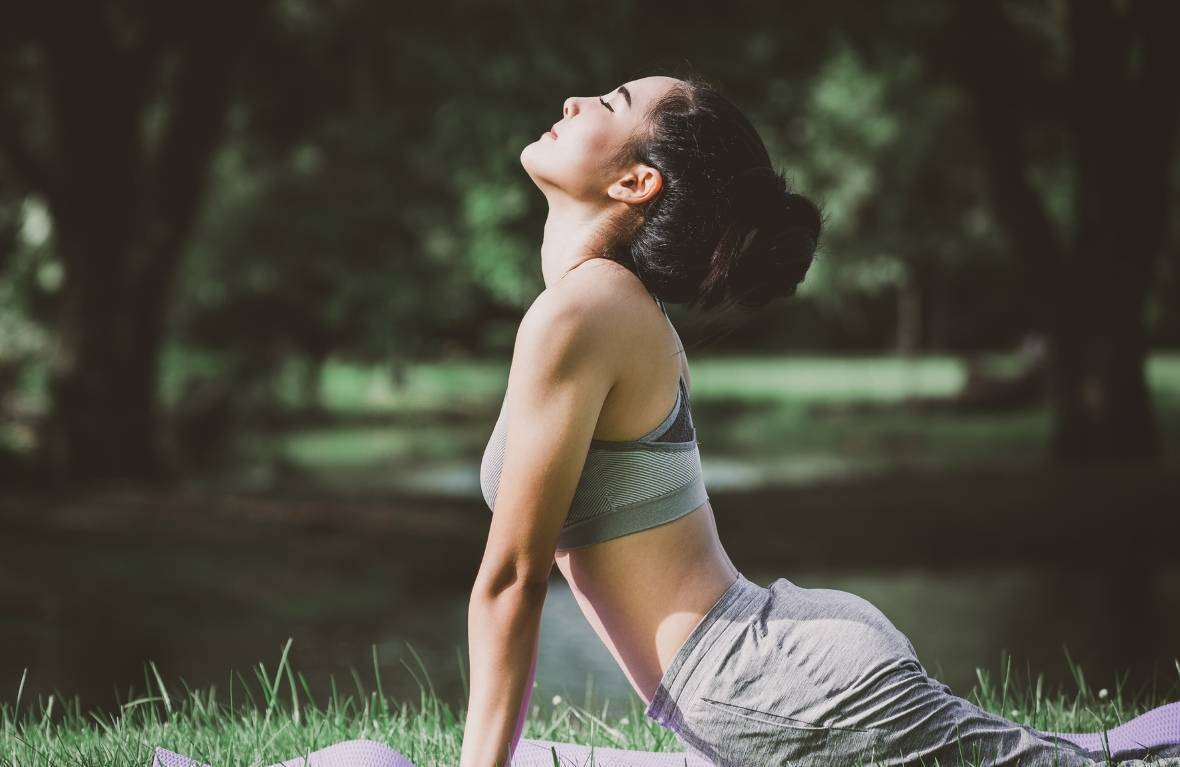
In todays fast-paced world, many people struggle with stiffness and tension in their bodies due to sedentary lifestyles, poor posture, and stress. While stretching exercises or physical therapy are commonly used to restore flexibility, gentle yoga is an increasingly popular method for improving flexibility in a more holistic way. Gentle yoga is an accessible, mindful approach that can help individuals of all ages and fitness levels to regain their flexibility, improve mobility, and reduce pain.
Unlike more intense forms of yoga, gentle yoga focuses on slow, deliberate movements and poses that are easy on the joints and muscles. It emphasizes relaxation, deep breathing, and alignment, which together help to reduce stress and restore balance to the body. For those seeking to improve their flexibility without the pressure of high-intensity exercises, gentle yoga can be the perfect solution.
How Gentle Yoga Helps with Flexibility
Flexibility is the ability of muscles and joints to move through their full range of motion without pain or discomfort. Over time, a lack of movement, stress, and injury can lead to tight muscles, reduced joint mobility, and overall stiffness. Gentle yoga helps by stretching and lengthening the muscles and connective tissues, promoting increased flexibility and mobility.
Through consistent practice, yoga poses gently stretch various muscle groups, including the back, legs, arms, and hips. The slower pace and mindful movements help the body ease into each stretch, allowing the muscles to gradually loosen up and improve their range of motion. Unlike other forms of stretching that may push the body too far, gentle yoga prioritizes safety and comfort, making it an ideal choice for those with limited flexibility or those recovering from injury.
Key Benefits of Gentle Yoga for Flexibility
Increased Range of Motion: Gentle yoga helps to lengthen and stretch muscles, leading to greater flexibility and improved joint mobility. Poses like Forward Fold (Uttanasana) and Downward Dog (Adho Mukha Svanasana) can stretch the hamstrings, calves, and lower back, which are commonly tight areas for many people.
Improved Posture: A significant benefit of gentle yoga is that it promotes better posture. Stiff muscles often lead to poor posture, which can cause pain in the back, neck, and shoulders. Yoga poses such as Cat-Cow (Marjaryasana-Bitilasana) and Child’s Pose (Balasana) encourage spinal alignment and support the natural curves of the back.
Pain Relief: Stretching and deep breathing techniques in gentle yoga can help release muscle tension and alleviate pain caused by tight muscles or poor posture. By gently stretching muscles that may be shortened or tight, yoga helps to restore balance and reduce discomfort.
Stress Reduction: Gentle yoga is not only beneficial for the body but also for the mind. The practice encourages deep, mindful breathing, which can help reduce stress and anxiety. When the body is relaxed and the mind is calm, flexibility naturally improves as the muscles are no longer holding on to tension.
Improved Circulation: The slow, deliberate movements in gentle yoga help to improve blood flow throughout the body, which aids in the delivery of oxygen and nutrients to the muscles and tissues. Improved circulation can help reduce muscle stiffness and promote faster healing after exercise or injury.
Better Mind-Body Connection: Gentle yoga promotes awareness of how the body moves and feels. This mind-body connection can help practitioners notice areas of tightness or discomfort and work toward restoring balance through movement and breath.
Recommended Gentle Yoga Poses for Flexibility
To maximize the benefits of gentle yoga for flexibility, here are some poses that target key muscle groups and promote improved mobility:
Seated Forward Fold (Paschimottanasana): This pose gently stretches the hamstrings and lower back. By sitting with your legs extended in front of you and folding forward from the hips, you can lengthen your spine and gently stretch your legs.
Reclining Bound Angle Pose (Supta Baddha Konasana): This restorative pose opens up the hips and groin while gently stretching the inner thighs. It also encourages deep breathing and relaxation, which helps release tension in the body.
Cat-Cow Pose (Marjaryasana-Bitilasana): This dynamic movement between two poses helps to improve spinal flexibility. The Cat pose rounds the back while the Cow pose gently arches the spine, promoting mobility and stretching the back, shoulders, and neck.
Gentle Twist (Supta Matsyendrasana): This lying twist helps stretch the spine and improve flexibility in the back and hips. It also provides a gentle massage to the abdominal organs, promoting digestion and relaxation.
Childs Pose (Balasana): Childs Pose is an excellent rest pose that gently stretches the back, hips, and thighs. It also encourages deep breathing, which helps calm the nervous system and reduces stress.
Legs Up the Wall Pose (Viparita Karani): This restorative pose is perfect for relaxing after a long day. It helps relieve tension in the legs and lower back while improving circulation. Its an excellent way to stretch the hamstrings and calves while resting.
How to Start a Gentle Yoga Practice
Getting started with gentle yoga is simple. It can be practiced at home or in a yoga class, and it doesnt require special equipmentjust a comfortable mat and some loose clothing. If you are new to yoga, consider joining a class with an experienced instructor who can guide you through the poses and help you learn the proper alignment and breathing techniques.
Start with shorter sessions (1530 minutes) and focus on gentle stretches and relaxation. As you become more comfortable, you can gradually increase the duration of your practice and incorporate more advanced poses. Its essential to listen to your body and avoid pushing yourself too hard. Yoga is about progress, not perfection.
With regular practice, you will likely notice improvements in your flexibility, posture, and overall sense of well-being. Remember, yoga is a journey, and with patience and consistency, you can achieve lasting benefits for your body and mind.