The Benefits of Joint Mobility for Injury Prevention and Longevity explores targeted strategies for recovery. Discover new paths to mobility, healing, and personalized care.

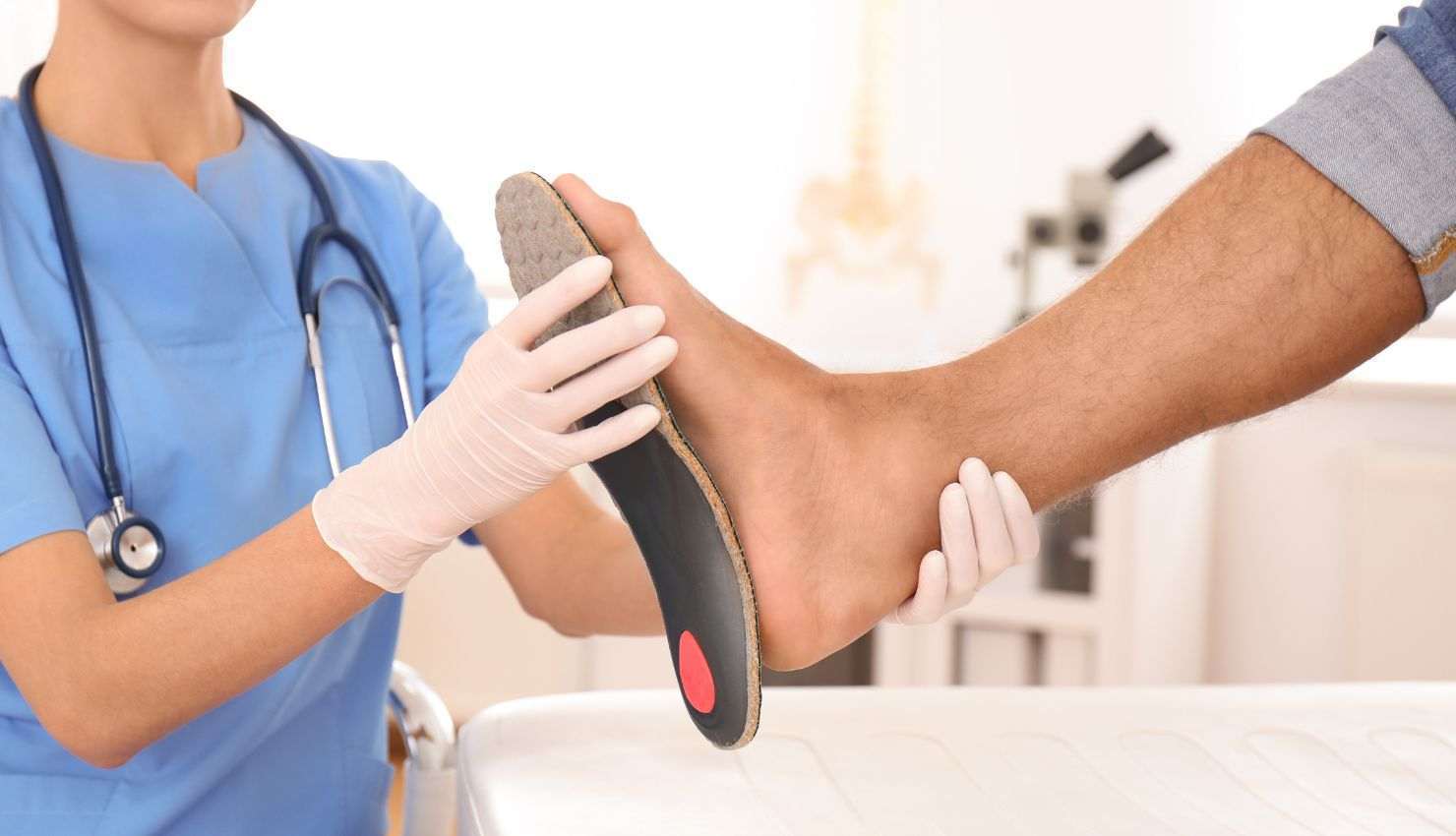
Maintaining joint mobility is essential not only for comfortable movement but also for preventing injuries and supporting long-term health. As we age or engage in physical activities, joints can become stiff and less functional, increasing the risk of strains, sprains, and chronic conditions. Prioritizing joint mobility through targeted exercises and therapies helps protect your body, enhances performance, and contributes to a healthier, more active life over time.
In this blog, we explore the many benefits of joint mobility for injury prevention and promoting longevity.
Why Joint Mobility Is Crucial for Injury Prevention
Joint mobility allows your joints to move freely through their natural range without restriction or pain. When mobility is limited:
Movements become less efficient and more prone to compensation, increasing stress on muscles, ligaments, and other joints.
Poor joint function can lead to muscle imbalances and weaknesses, making injuries more likely during physical activities.
Stiff joints are more vulnerable to strains, sprains, and overuse injuries.
Maintaining good joint mobility supports proper biomechanics, enabling safer, smoother movements that reduce injury risk.
How Joint Mobility Supports Longevity
Joint health directly impacts your ability to remain active and independent as you age. Benefits of preserving joint mobility include:
Sustained Physical Activity: Mobile joints allow you to participate in exercise and daily activities that promote cardiovascular health, muscle strength, and mental well-being.
Reduced Risk of Chronic Conditions: Maintaining movement helps prevent stiffness and degeneration associated with arthritis and other musculoskeletal disorders.
Better Balance and Coordination: Enhanced joint function improves stability, decreasing fall riska major concern for aging adults.
Improved Quality of Life: Freedom of movement supports social engagement, independence, and overall happiness.
Effective Ways to Improve and Maintain Joint Mobility
At YourFormSux, physiotherapy programs incorporate various methods to enhance joint mobility:
Dynamic and Static Stretching: Targeted stretches that increase flexibility and joint range.
Range of Motion Exercises: Gentle joint movements to maintain and restore motion.
Manual Therapy: Hands-on techniques to release joint stiffness and improve function.
Strength Training: Supporting muscles that stabilize joints and maintain alignment.
Balance and Proprioception Training: Improving body awareness to protect joints during movement.
Lifestyle Tips to Preserve Joint Mobility
Stay active with regular, low-impact exercises like swimming, walking, or cycling.
Maintain a healthy weight to reduce joint stress.
Practice good posture and ergonomic principles in daily tasks.
Avoid prolonged immobility; take breaks to move regularly.
Eat a balanced diet rich in anti-inflammatory nutrients to support joint health.
Final Thoughts on Joint Mobility for Injury Prevention and Longevity
Joint mobility is a key pillar of a healthy, active, and injury-free life. Investing time and effort in maintaining and improving your joint function can prevent injuries, enhance performance, and promote lasting independence and vitality.
YourFormSux offers expert physiotherapy care tailored to your needs, focusing on joint mobility and overall musculoskeletal health. If you want to protect your joints and enjoy a long, active life, contact us today to learn how we can support your journey.