The Benefits of Joint Mobility Optimization for Long-Term Joint Health explores targeted strategies for recovery. Discover new paths to mobility, healing, and personalized care.

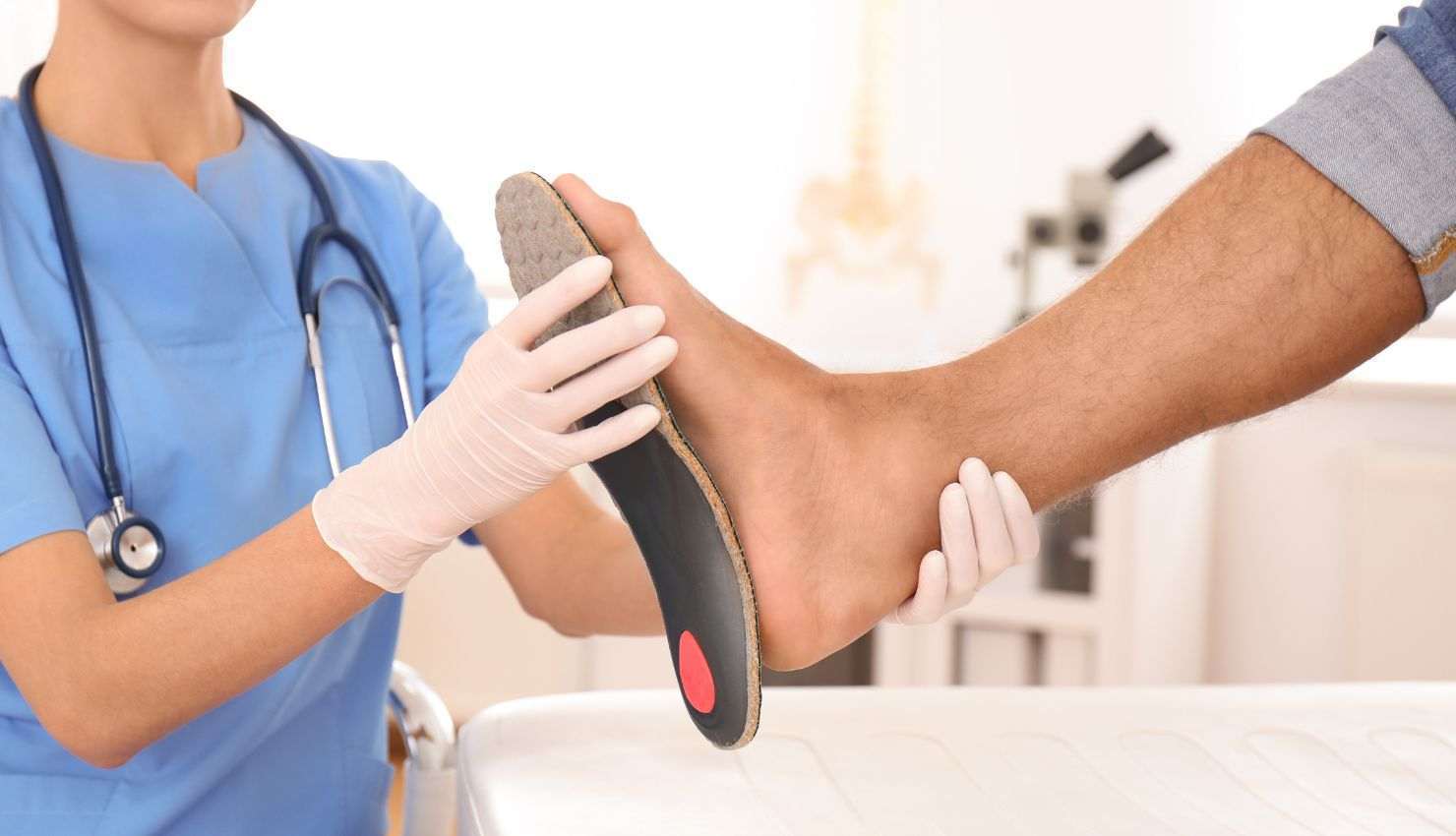
Joint health isnt just about avoiding painits about maintaining freedom of movement, physical independence, and quality of life throughout every stage of adulthood. Whether you’re an athlete, a weekend walker, or an older adult staying active, one of the most effective and sustainable ways to care for your joints is through mobility optimization.
Joint mobility optimization focuses on improving the joints range of motion, function, and structural alignment. When combined with physiotherapy, strength work, and mindful movement, it helps prevent deterioration, delays age-related joint decline, and supports overall physical wellness.
In this blog, we explore what joint mobility optimization means, why it matters for long-term joint health, and how physiotherapy plays a central role in keeping your joints resilient and pain-free for years to come.
What Is Joint Mobility Optimization?
Joint mobility refers to the ability of a joint to move freely and efficiently through its full range of motion. This includes flexibility of the surrounding muscles, stability of supporting tissues, and alignment of the joint itself. When mobility is limited, other body parts often compensate, leading to muscle imbalances, postural issues, and increased injury risk.
Joint mobility optimization is the proactive process of:
Restoring optimal range of motion
Enhancing joint lubrication and tissue quality
Strengthening the muscles that support the joint
Reducing compensatory movement patterns
Improving posture and body mechanics
This process doesnt just apply when something is wrongits a preventive strategy that keeps your joints functioning properly before pain or damage arises.
Why Joint Health Declines Without Mobility Work
Over time, joints face natural wear and tear, especially if theyre not actively cared for. Heres how lack of mobility contributes to long-term joint problems:
Sedentary lifestyle: Lack of movement reduces synovial fluid production, leading to stiffness and degeneration.
Poor posture: Misaligned movement patterns place excessive pressure on joints like the knees, hips, and spine.
Muscle tightness: Inflexible muscles around the joint limit movement and create tension in the joint capsule.
Repetitive strain: Overuse without proper mobility training causes inflammation and weakens the joint structure.
If left unaddressed, these factors can contribute to chronic pain, arthritis, and loss of functional independence in later life.
Benefits of Optimizing Joint Mobility for Long-Term Health
1. Increases Joint Longevity
By keeping joints well-lubricated and properly aligned, mobility work prevents premature wear and tear. Movements that engage full joint range reduce friction and support cartilage health, minimizing the risk of osteoarthritis and degenerative joint disease.
2. Prevents Compensatory Injuries
Limited motion in one joint often causes the body to rely on another area. For example, tight hips can force the lower back to take on extra movement, leading to pain and injury. Joint mobility optimization ensures balanced movement, reducing strain on surrounding joints and muscles.
3. Improves Posture and Alignment
Good joint mobility allows your body to move efficiently and remain upright with ease. Optimizing joint mobilityespecially in the thoracic spine, hips, and shouldersimproves spinal posture, which is key to preventing back and neck pain.
4. Enhances Physical Performance
Whether youre lifting groceries or running a marathon, optimal joint mobility helps you move better and more powerfully. With fewer restrictions, your muscles can activate properly, resulting in smoother, more efficient movement patterns.
5. Supports Balance and Fall Prevention
In aging adults, joint stiffness is a leading contributor to falls and instability. Maintaining healthy ankle, hip, and spinal mobility helps improve balance, coordination, and gaitall critical factors in injury prevention as we age.
How Physiotherapy Supports Joint Mobility Optimization
A licensed physiotherapist can assess your joint health and identify areas of restriction, imbalance, or instability. From there, theyll develop a customized plan to optimize your mobility through a combination of:
Manual therapy: Hands-on techniques to release tension, restore movement, and reduce stiffness.
Targeted mobility exercises: Stretching, controlled articular rotations (CARs), and mobility drills tailored to your body.
Strengthening programs: Focused work to support the muscles that stabilize your joints.
Postural correction: Re-aligning movement patterns to prevent joint stress.
Education: Guidance on daily habits, ergonomics, and self-care techniques for joint maintenance.
Physiotherapists also help track your progress, adjust strategies as needed, and provide motivation to stay consistent with your mobility practice.
Key Joints That Benefit Most From Mobility Optimization
While every joint can benefit from improved mobility, the following are especially important for long-term health:
Hips: Central to posture, walking, and spinal support. Poor hip mobility often leads to lower back pain.
Ankles: Crucial for balance, walking mechanics, and shock absorption.
Shoulders: Support overhead movements and postural stability.
Thoracic spine: Controls upper body rotation and spinal extension.
Knees: Though stability-focused, knees rely on mobile hips and ankles for pain-free function.
By working on these areas, you can significantly improve overall mobility and reduce your risk of injury or dysfunction.
Signs You Need Joint Mobility Optimization
If you experience any of the following, your joints may benefit from targeted mobility work:
Stiffness after sitting or sleeping
Limited range of motion in certain joints
Discomfort during movements like squatting, reaching, or walking
Clicking, popping, or locking in the joints
Recurrent aches, especially in knees, hips, or shoulders
Postural imbalances or asymmetrical movement
Even without pain, these signs indicate early restrictions that can be reversed with proper mobility care.
Daily Habits to Support Long-Term Joint Health
In addition to working with a physiotherapist, you can promote joint health with these simple strategies:
Move frequently: Avoid staying in one position for too long. Get up and stretch every hour.
Incorporate daily mobility routines: Spend 510 minutes each day on key joint exercises.
Strengthen your support muscles: Weak muscles lead to poor joint stability.
Stay hydrated: Water supports joint lubrication and cartilage health.
Use proper body mechanics: Lift, sit, and move in ways that protect joint alignment.
Maintain a healthy weight: Excess weight places additional stress on joints, especially in the knees and hips.
Final Thoughts: Invest in Your Joints for a Lifetime of Movement
Joint mobility optimization isnt just a treatmentits a lifestyle. Taking care of your joints now means more freedom, confidence, and resilience as you age. Whether you’re recovering from injury, managing chronic stiffness, or simply wanting to move better, mobility optimization is a vital tool in your long-term health toolkit.
With physiotherapy as your guide, you can reclaim your range of motion, enhance performance, and prevent the gradual decline that many assume is inevitable with age. Healthy joints arent just about being pain-freetheyre about living fully.