The Benefits of Joint Mobility Optimization for Preventing Arthritis explores targeted strategies for recovery. Discover new paths to mobility, healing, and personalized care.

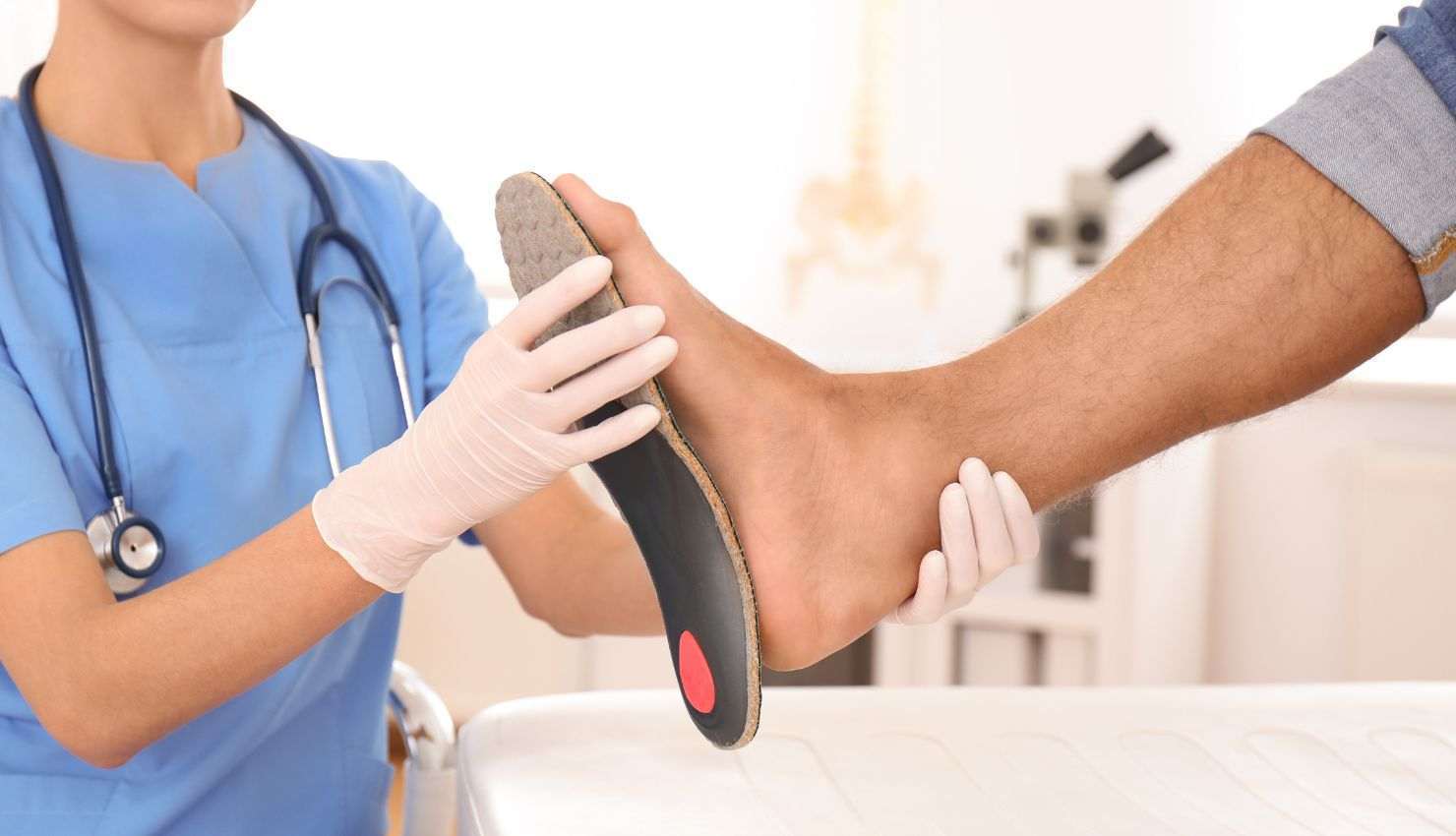
Arthritis is often seen as an inevitable part of aging, but many of its risk factors are preventableespecially when joint mobility is prioritized early and consistently. Joint mobility optimization is not just a tool for pain relief or athletic performanceit plays a central role in preventing the onset and progression of arthritis. At YourFormSux (YFS), we help individuals across Canada take proactive steps toward joint health by focusing on mobility strategies that support long-term function, reduce inflammation, and regulate the nervous system.
By improving how your joints move, how your muscles coordinate, and how your nervous system interprets stress, you can dramatically reduce your risk of developing arthritisor minimize its impact if it has already begun.
What Is Joint Mobility Optimization?
Joint mobility optimization involves improving the functional range of motion in each joint, while also enhancing the surrounding muscle control, stability, and nervous system readiness. This differs from static flexibility work, as it includes active, controlled movement patterns designed to:
Maintain cartilage integrity
Promote joint lubrication
Strengthen stabilizing muscles
Train the nervous system to support safe movement
Minimize compensations and mechanical overload
By optimizing mobility, you reduce the uneven wear-and-tear that leads to joint breakdowna key contributor to osteoarthritis.
How Limited Mobility Increases Arthritis Risk
Joints are designed to move. When movement is restrictedby poor posture, inactivity, past injury, or muscle imbalancesjoint surfaces begin to degenerate due to:
Reduced synovial fluid production, leading to cartilage dryness
Uneven load distribution, causing joint surface damage
Muscle weakness, reducing joint support under movement
Compensatory patterns, increasing stress on adjacent joints
Over time, this sets the stage for inflammation, joint stiffness, and structural damagethe hallmarks of arthritis. Many of these changes can be prevented or slowed with early mobility intervention.
The Role of Nervous System Regulation in Joint Health
The nervous system governs every movement. If the brain perceives instability or threatwhether due to past injury, pain, or stressit may restrict joint motion as a protective mechanism. This creates a cycle where:
Muscles tighten
Joints stiffen
Movement feels unsafe
The nervous system reinforces restriction
At YFS, we use nervous system-informed physiotherapy to break this cycle. Through breathwork, neuromuscular training, and safe movement progressions, we help the body regain trust in motionrestoring joint mobility and reducing protective tension.
Benefits of Joint Mobility Optimization for Arthritis Prevention
1. Reduces Mechanical Stress on Joints
When joints move through their intended ranges of motion, load is spread evenly across cartilage surfaces. This reduces the micro-damage that accumulates over time and leads to degenerative joint conditions.
By optimizing hip, ankle, shoulder, and spine mobility, YFS physiotherapists help clients reduce joint strain in daily activities like walking, squatting, lifting, or reaching.
2. Supports Cartilage Nourishment and Joint Hydration
Movement is essential for circulating synovial fluidthe lubricant that nourishes cartilage and keeps joints healthy. Without motion, joints dry out, making them more prone to friction and degeneration.
Our mobility programs include gentle, rhythmic movements that enhance fluid exchange, support cartilage health, and keep joints resilient.
3. Strengthens Joint-Supporting Muscles
Stability and mobility go hand in hand. Weak muscles allow excessive joint movement or improper alignment, which accelerates joint wear. Strengthening the muscles around each jointespecially hips, knees, and shouldershelps prevent arthritis from developing or worsening.
We guide clients through controlled strength work that improves both joint support and nervous system confidence in motion.
4. Prevents Inflammatory Responses
Joint stiffness and poor movement patterns can lead to chronic inflammationa major contributor to arthritic changes. Mobility work reduces tissue tension, improves circulation, and calms the nervous system, all of which help reduce inflammatory load on joints.
At YFS, we often integrate mobility with calming breathwork and vagus nerve stimulation to downregulate chronic stress responses that may fuel joint inflammation.
5. Improves Movement Efficiency and Reduces Compensations
When mobility is restricted, the body compensates. For example, tight hips force the knees and lower back to do more work, increasing injury risk. Over time, these inefficient patterns wear down joints and set the stage for arthritis.
By restoring proper mobility and movement sequencing, we help clients move more efficiently and protect their joints during both daily life and physical activity.
What Joint Mobility Optimization Looks Like at YFS
Our approach at YourFormSux is rooted in personalized, nervous system-aware physiotherapy. Each joint mobility plan is tailored to the clients current abilities, needs, and goals. This may include:
Joint-specific mobilization drills (e.g., hip capsule release, thoracic spine mobility)
Dynamic movement flows that combine flexibility, strength, and control
Breath-guided mobility work for nervous system support
Balance and proprioception training to enhance joint awareness
Targeted strengthening to reinforce safe, functional movement
Whether you’re in your 30s hoping to prevent future issues or managing early signs of arthritis in your 60s, our programs are designed to meet you where you are.
Why This Matters in a Canadian Health Context
In Canada, arthritis is one of the leading causes of disability, affecting 1 in 5 adults. Unfortunately, many people wait until theyre already in pain before seeking care. Preventative physiotherapyparticularly focused on joint mobilityis a proven way to reduce arthritis risk and preserve quality of life.
At YFS, we believe mobility work isnt a luxuryits an essential part of lifelong health. Our clients benefit from early intervention, nervous system-aware care, and customized movement strategies that reduce the need for invasive procedures or medications.
Final Thoughts
Arthritis is not an inevitable consequence of agingits a condition that can often be delayed or prevented through proactive joint care. Joint mobility optimization is one of the most effective tools available for protecting joint health, enhancing movement efficiency, and preventing long-term pain and degeneration.