The Benefits of Meridian Therapy for Improving Flexibility and Movement explores targeted strategies for recovery. Discover new paths to mobility, healing, and personalized care.

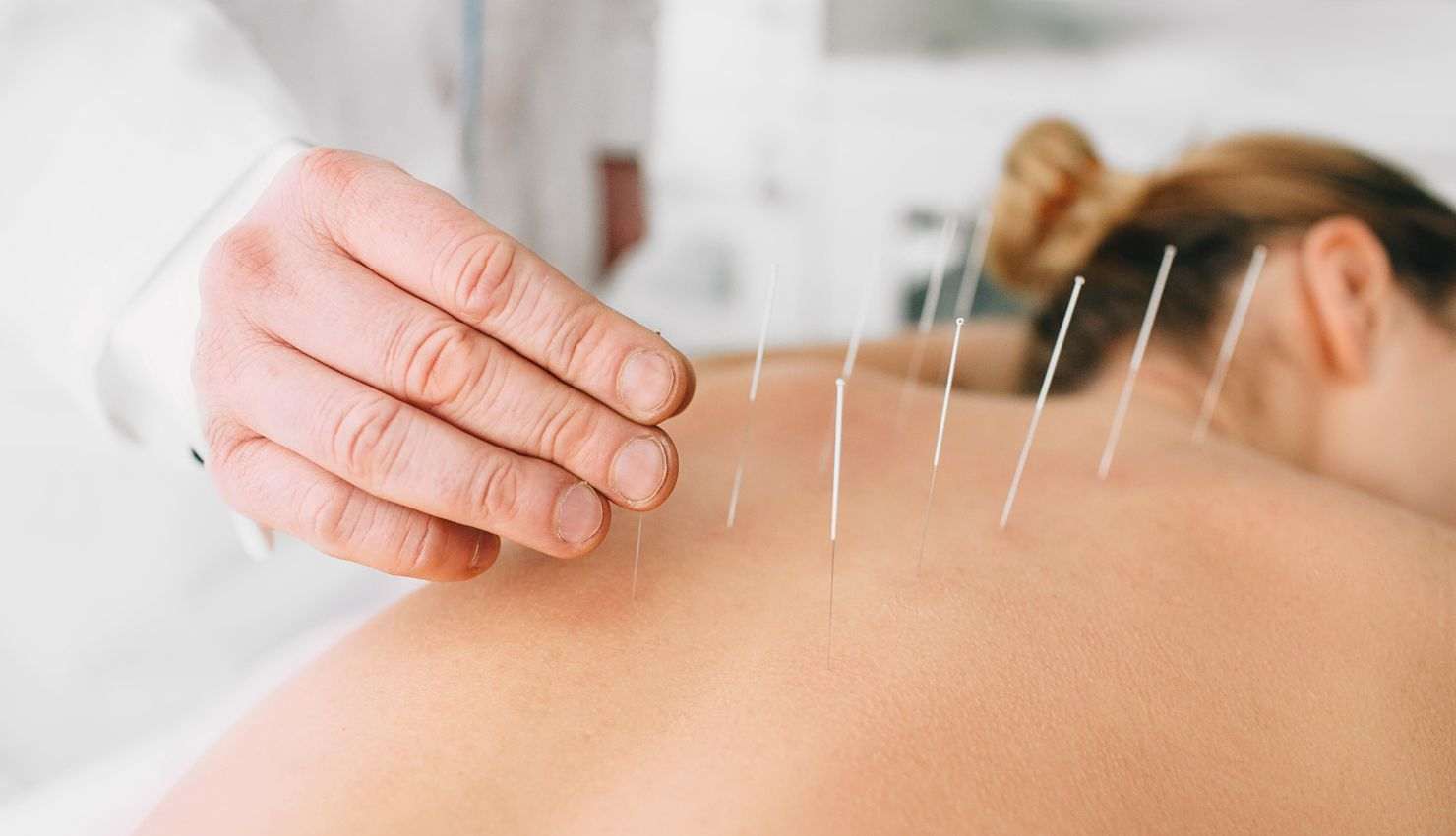
In an era where movement and physical wellness are essential to healthy aging and active living, flexibility and mobility have become key priorities. Whether you’re an athlete, someone recovering from injury, or simply looking to move more freely and pain-free in everyday life, meridian therapy offers a unique and holistic approach to improving flexibility, joint function, and physical fluidity.
Grounded in Traditional Chinese Medicine (TCM), meridian therapy works by stimulating the energy pathways that connect to muscles, joints, tendons, and organshelping to release tension, increase range of motion, and restore proper body mechanics. Unlike passive stretching or isolated workouts, meridian therapy improves flexibility from the inside out by balancing energy and enhancing the body’s natural movement capacity.
Understanding Flexibility Through the Lens of TCM
In TCM, the body is seen as an interconnected energy system. The meridians are invisible channels that carry Qi (vital energy) and blood throughout the body, nourishing the tissues and facilitating healthy movement. When Qi flows smoothly through these channels, the body moves with ease and coordination. But when Qi is blocked, deficient, or stagnant, the result can be:
Muscle tightness
Joint stiffness
Limited range of motion
Pain with movement
Increased injury risk
Rather than targeting isolated muscles, meridian therapy focuses on the flow of Qi across entire movement chains. This whole-body approach not only improves flexibility but also addresses the energetic roots of physical restrictions.
How Meridian Therapy Enhances Flexibility and Mobility
1. Releases Muscle Tension and Fascia Tightness
Tightness in the fascia (the connective tissue surrounding muscles and organs) often limits flexibility more than the muscle itself. Meridian therapy techniques such as acupressure, Gua Sha, or meridian massage help release these restrictions by:
Improving blood and Qi flow
Breaking up adhesions
Hydrating and softening fascial layers
This results in greater muscle elasticity and smoother movement.
2. Improves Joint Function and Lubrication
Stiff joints often reflect stagnation in nearby meridians. By unblocking Qi around joints like the hips, knees, shoulders, and spine, meridian therapy encourages:
Synovial fluid production, which lubricates joints
Better nutrient delivery to cartilage and ligaments
Reduced stiffness and crepitus (cracking sounds)
This is especially helpful for individuals with arthritis, joint degeneration, or post-surgical stiffness.
3. Stimulates Circulation and Oxygenation
Good circulation is vital for flexible muscles. Meridian therapy boosts local and systemic circulation by stimulating the energetic pathways that influence blood flow, oxygen delivery, and cellular regenerationall essential for healthy, mobile tissue.
4. Balances Muscle Groups and Body Mechanics
Many people experience tightness or restricted movement because of muscle imbalanceswhere one area is overused and another is underactive. Meridian therapy restores balance by addressing both the energetic and structural side of these imbalances, improving overall posture and body alignment.
5. Enhances Nervous System Regulation
Tight muscles often reflect a nervous system stuck in ‘fight-or-flight’ mode, causing excessive contraction. Meridian therapy activates the parasympathetic nervous system, helping the body relax, reset, and let go of unnecessary tension. This neurological shift is key to unlocking deeper flexibility.
Key Meridian Lines for Movement and Flexibility
Each of the 12 main meridians plays a role in whole-body mobility, but certain meridian lines are especially important for physical flexibility:
Bladder Meridian: Runs along the back of the body and legs; often tight in people with stiff hamstrings and back pain.
Gallbladder Meridian: Traverses the sides of the body; key for lateral movement, hip mobility, and balance.
Liver Meridian: Controls the flow of Qi and tendons; tightness here can affect flexibility and mental tension.
Stomach Meridian: Runs along the front body and quadriceps; helps with knee mobility and overall strength.
Spleen Meridian: Supports grounding and stability; involved in fascial health.
Kidney Meridian: Flows through the spine and inner thighs; important for back and pelvic mobility.
A skilled practitioner can target these meridians to create more freedom of movement across the entire kinetic chain.
Common Techniques Used in Meridian Therapy
Depending on your needs, a practitioner may use one or more of the following methods:
Acupressure: Manual pressure on meridian points to release tension and improve energy flow
Gua Sha: Scraping technique that softens fascia and stimulates circulation
Cupping: Suction therapy that relieves deep muscular and fascial restriction
Meridian Brushing or Tapping: Gentle stimulation of meridian lines to awaken movement energy
Meridian Stretching: Movements that align with meridian pathways to open energy channels and joints
These techniques can be personalized to target specific areas of restriction while improving overall energetic balance.
Benefits Beyond Flexibility
While meridian therapy is effective for improving movement, it also delivers a wide range of side benefits, including:
Reduced pain and muscle spasms
Increased energy and vitality
Better sleep and stress reduction
Improved digestion and circulation
Greater body awareness and coordination
Faster recovery from injury or workouts
Because it works on the root causes of stiffness, rather than just treating symptoms, meridian therapy supports sustained movement improvement and long-term wellness.
Supporting Flexibility at Home
To get the most from meridian therapy, you can support your flexibility at home with these habits:
Hydrate consistently, especially after sessions, to flush released toxins
Do light stretching aligned with meridian pathways (e.g., side bends for Gallbladder, forward bends for Bladder)
Practice breathwork or Qi Gong, which helps move Qi through the meridians
Use a foam roller or massage ball on tight areas to reinforce therapy benefits
Sleep and eat well, as rest and nourishment directly affect muscle recovery and energy balance
Who Can Benefit?
Meridian therapy is suitable for people of all ages and movement levels, including:
Athletes seeking improved performance and recovery
Older adults wanting to stay active and independent
Desk workers with chronic tension and stiffness
Yoga or dance practitioners improving range of motion
Anyone recovering from injury or surgery
Individuals with neurological or autoimmune movement restrictions
Since its gentle and adaptable, its an ideal therapy even for those with sensitivity, chronic pain, or mobility issues.
Final Thoughts
True flexibility doesnt just come from stretching musclesit comes from aligning energy, movement, and awareness. Meridian therapy offers a deeply rooted, effective, and natural path to improved flexibility and physical ease, helping your body move the way it was meant to: fluidly, comfortably, and without pain.
By integrating meridian therapy into your wellness routine, youre not just gaining physical range of motionyoure opening up energetic flow, emotional resilience, and a renewed connection to your bodys wisdom. Whether you’re seeking relief from stiffness or striving to move with more grace and power, this therapy helps you unlock your full movement potentialone meridian at a time.