Absolutely! Movement-based therapy offers numerous benefits for people with Rheumatoid Art…

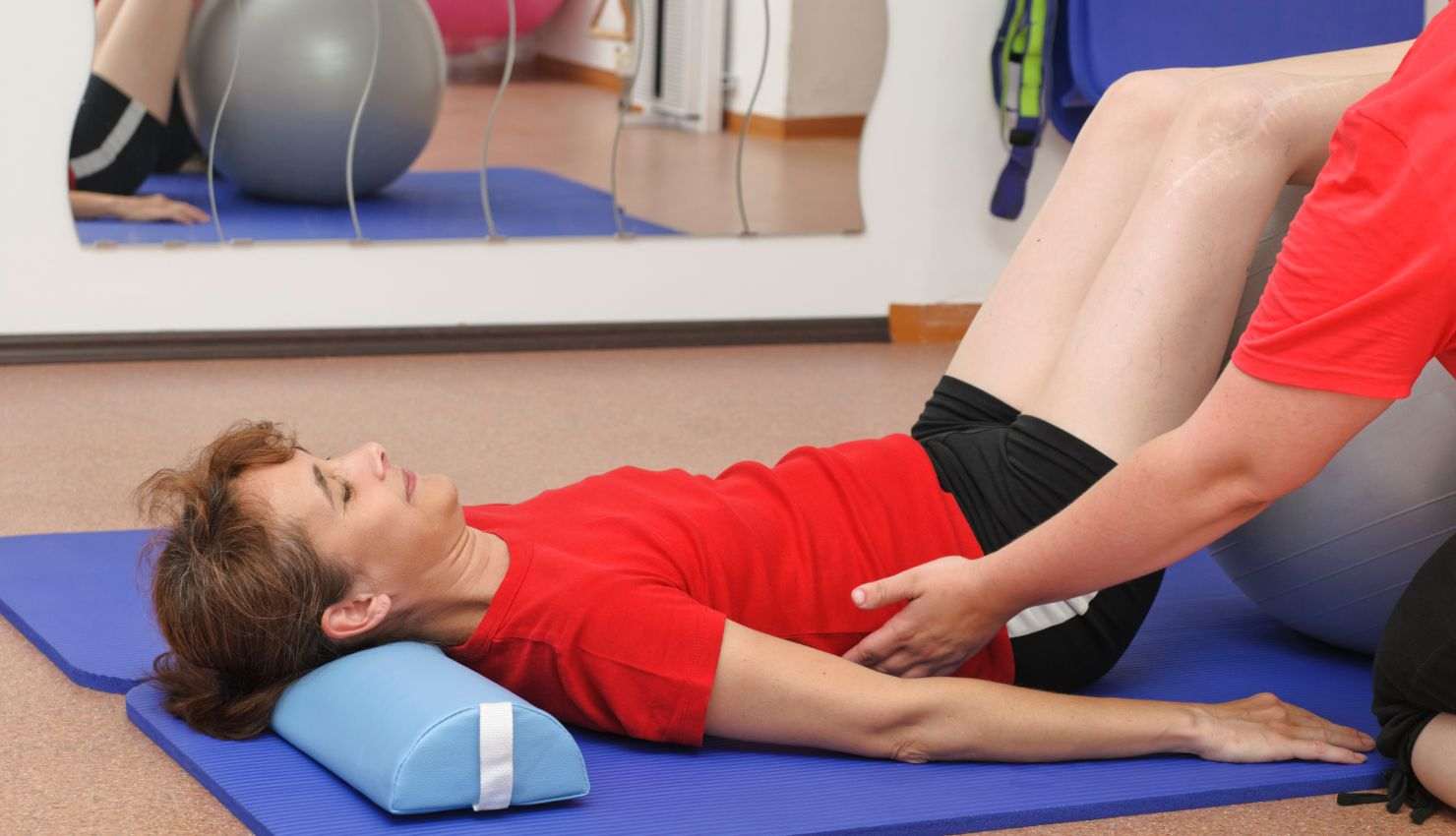
Absolutely! Movement-based therapy offers numerous benefits for people with Rheumatoid Arthritis (RA) by addressing symptoms, improving function, and enhancing quality of life. Heres a detailed look:
Benefits of Movement-Based Therapy for Rheumatoid Arthritis
1. Reduces Joint Stiffness and Improves Mobility
RA causes inflammation leading to joint stiffness and reduced range of motion.
Gentle, controlled movement helps maintain and improve joint flexibility by stimulating synovial fluid production, which lubricates joints.
Example: Range of motion exercises, gentle stretching.
2. Strengthens Muscles Supporting Joints
Muscle weakness around affected joints can increase stress and pain.
Movement therapy strengthens periarticular muscles, providing better joint stability and reducing load on inflamed joints.
Example: Low-impact resistance training tailored to tolerance.
3. Decreases Pain and Inflammation
Regular movement helps modulate pain through endogenous mechanisms, such as releasing endorphins.
It can also improve circulation, which aids in reducing inflammation.
Movement-based therapy incorporates pacing and graded exposure to avoid flare-ups.
4. Improves Physical Function and Daily Living
Enhancing mobility, strength, and endurance helps patients perform daily activities more easily and independently.
Movement therapy focuses on functional, task-specific exercises.
Example: Sit-to-stand practice, grip strengthening.
5. Enhances Mental Health and Well-being
RA often leads to fatigue, depression, and anxiety.
Movement promotes the release of mood-enhancing neurotransmitters and improves sleep quality.
Group-based movement therapy can also provide social support.
6. Slows Disease Progression and Prevents Deformities
While movement cant cure RA, maintaining joint mobility and muscle balance helps delay deformities and disability.
Early and consistent movement therapy is key.
7. Customizable to Fluctuating Symptoms
Movement therapy programs can be adapted to accommodate varying disease activity levels from gentle range of motion during flares to strengthening in remission.